


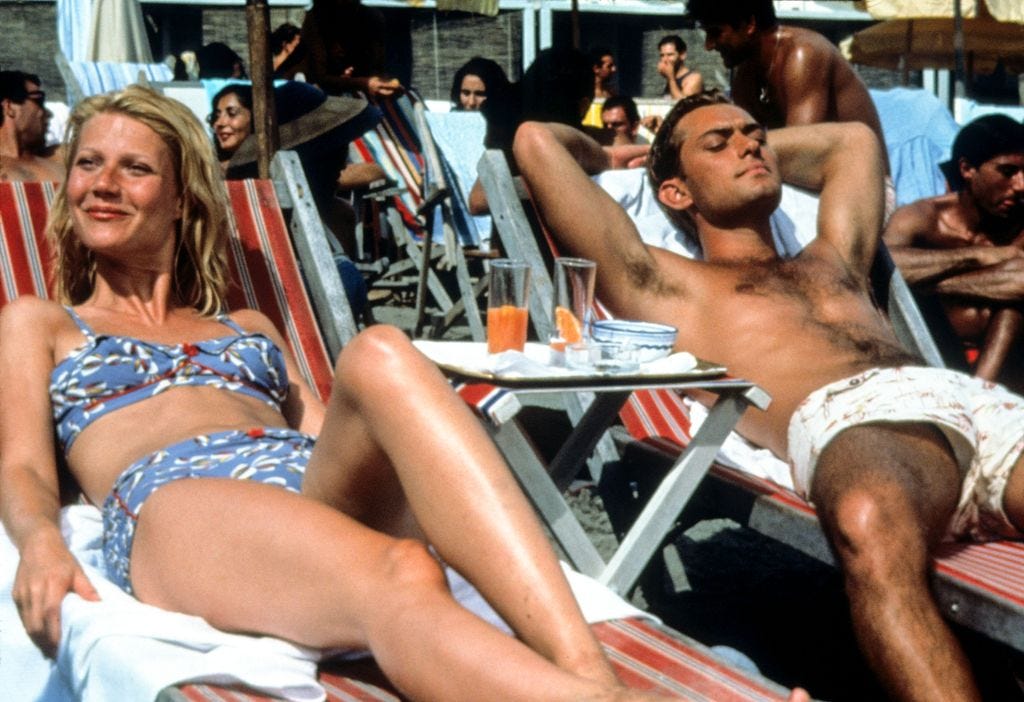
Summertime!
Let’s get into it:
June Book Selections
Last month, a dear friend who works as a litigator — and consequently seldom has time to read for pleasure — reached out to me for “an intelligent beach read” recommendation ahead of her solo trip to Jamaica. That vibe informed this month’s selections, a quartet of compulsively engrossing novels that maintain a high caliber of craft.
Suggestions include:
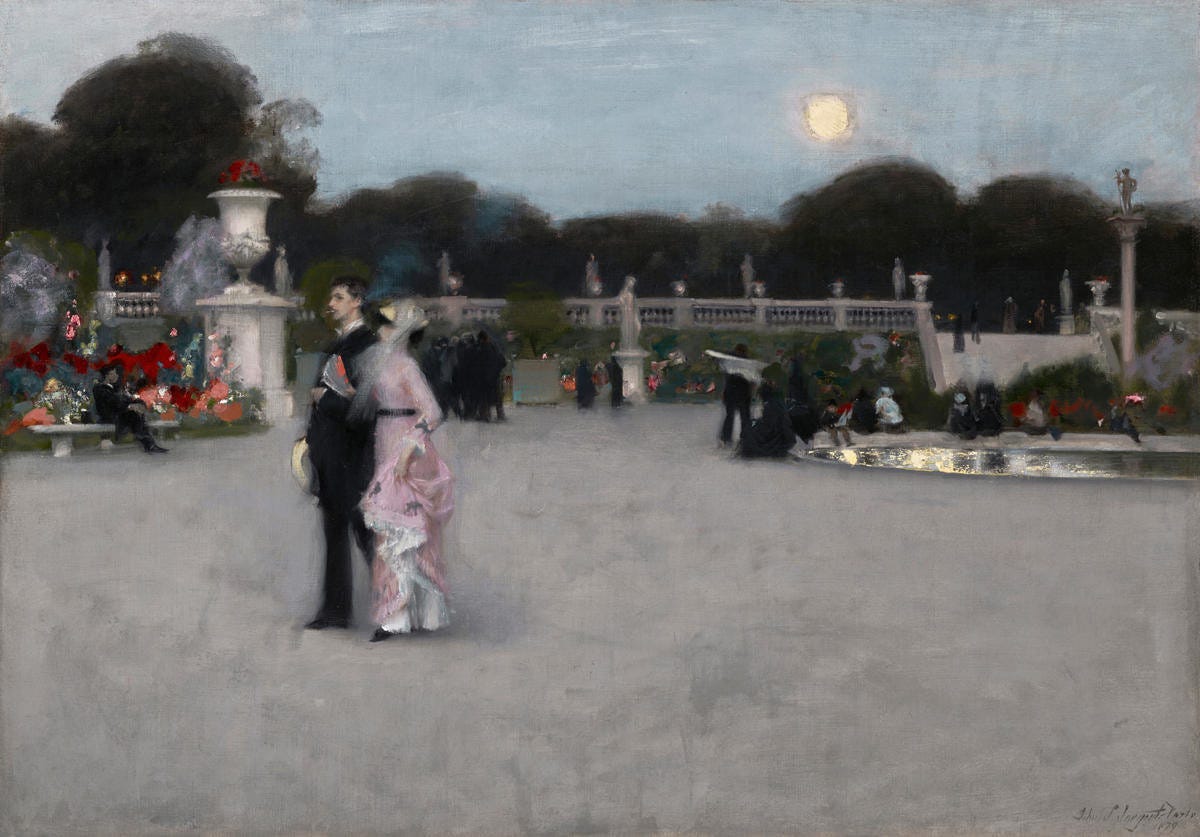
The Margot Affair by Sanaë Lemoine (2020) — With this debut, novelist and food writer Sanaë Lemoine architects a vivid coming-of-age portrait enlivened by a cornucopia of cuisine, from a fennel-filled tomato tart to caramelized pear clafoutis to hot chocolate with buttered toast (“I dipped a piece of buttered toast into the chocolate. Pools of salty grease collected on its surface.”).
The Margot Affair (2020) centers on its eponymous antiheroine, a 17-year-old living on the Left Bank with her mother, Anouk Louve. A famous French stage actress, Anouk has conducted a decades-long affair, Margot its byproduct, with well-known politician Betrand Lapierre. Anouk and Margot operate as Bertrand’s second family, their relationship confined to a Luxembourg Gardens-located apartment. As Sarah Lyall describes in her 2020 review for The New York Times: “Margot reveals her parentage to a sympathetic journalist she meets at a party…Anyone who has read Ian McEwan’s Atonement (2001), in which the misguided intervention of an overly imaginative teenager ends up ruining two people’s lives, knows that Margot is playing with fire.”
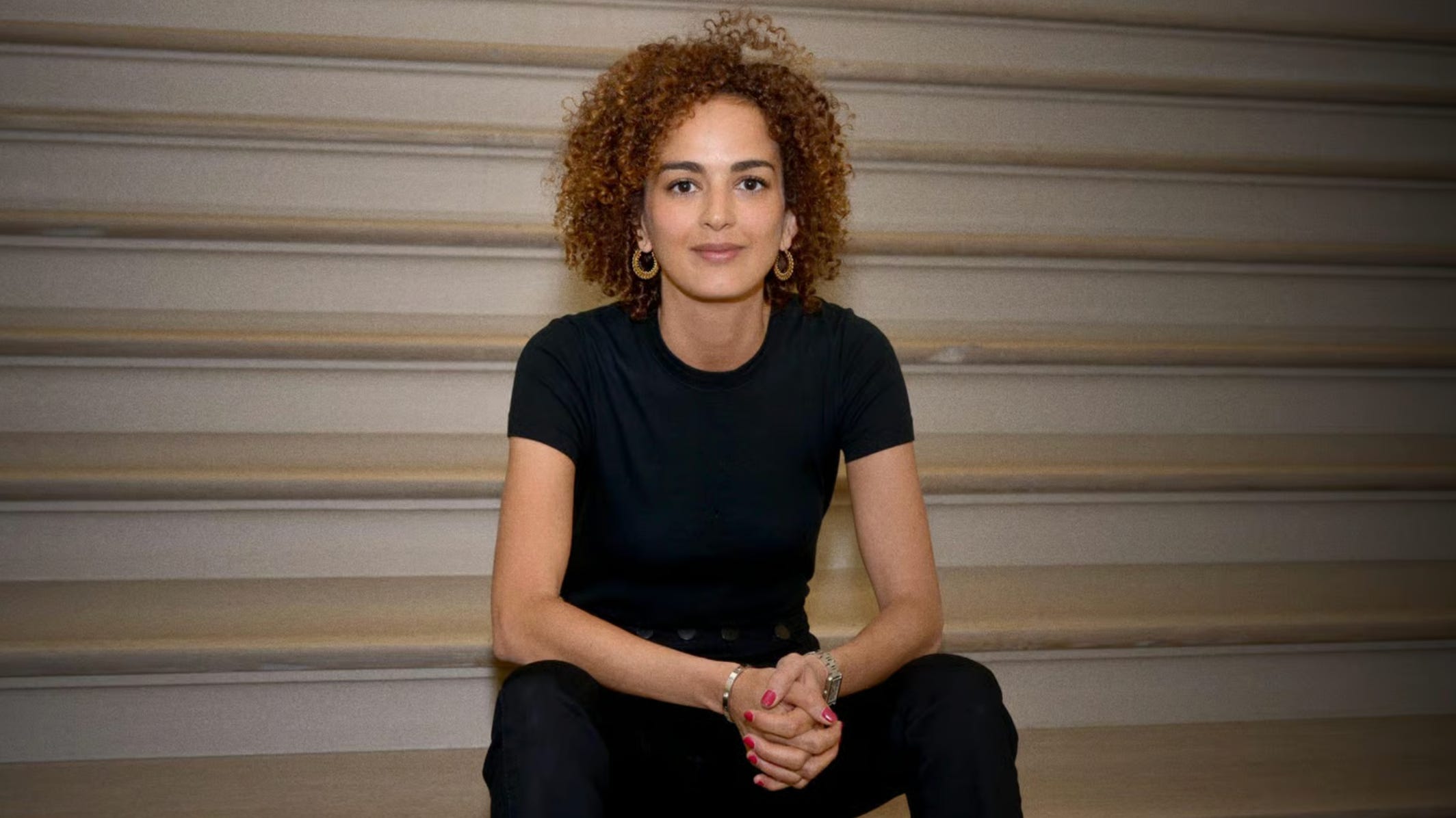
The Perfect Nanny by Leïla Slimani (2016) — In October of 2012, former educator Marina Krim walked into the La Rochelle, an Upper West Side prewar building on 75th and Amsterdam, with her three-year-old daughter, Nessie, in tow. Nessie had just finished a swim lesson, planning to meet her other two siblings, six-year-old Lulu and two-year-old Leo, afterward at her older sister’s dance class. But Lulu, Leo, and their trusted nanny, Yoselyn Ortega, failed to arrive, sending Marina and Nessie back to the family’s apartment on the second floor. Silence enveloped the space, so much so that the pair left and returned to the lobby, where the doorman on duty confirmed that Yoselyn, Lulu, and Leo did indeed return home. Back upstairs, stepping back toward the bathroom this time, Marina and Nessie found Lulu and Leo murdered in the tub while Yoselyn, writhing on the floor, stabbed her own neck with slashed wrists.
This unconscionable crime occurred two months after I first moved to New York, a few dozen blocks from my college dorm, and lodged itself in my 18-year-old consciousness. Across the Atlantic, French-Moroccan author Leïla Slimani came across an article about the case in Paris Match, developing a similar fearful fixation. She had begun writing a novel about the specific relationship between nanny and mother, the dread inherent to handing your child over to a perfect stranger for however many hours per day, her own son only six months old. Slimani explains to NPR: “This is a relationship of power, but not as simple as you can think, because the mother is the boss of the nanny, but the nanny has a sort of power too, because she takes care of the children. They live in the same home, but the home is not the home of the nanny. She’s sort of a member of the family — everyone says, ‘Oh, she’s one of the family’ — but actually, she’s not. You want your children to love the nanny, but at the same time, you want to stay the mother.” The Krim case clicked in the final piece of her narrative puzzle.
The Perfect Nanny (2016) — Chanson douce in France, which translates to Lullaby in English, a far less mass market paperback-coded title than its actual U.S. counterpart — reimagines the Krim case in the realm of fiction. It centers on Paul and Myriam, a bohemian-chic Parisian couple. When Myriam decides to return to work, the pair hire Louise to care for their two young children, Mila and Adam. Louise first seems like a dream nanny, then sinks deeper and deeper into disorienting instability. The novel projects the archetypal psychological thriller through the prism of literary prose, its caliber of crafting earning Slimani the 2016 Prix Goncourt. It also inverts the racial dynamic in the Krim case. Slimani manufactures Myriam in her own French-Moroccan image, envisions Louise as a white French woman; this reversal nurtures a thoughtful meditation on how the intricacies of domestic power impact and, at times, transcend race and class.
[If you’re interested in supporting the foundation that Marina and her husband, Kevin, created to honor Lulu and Leo’s memory, visit ChooseCreativity.org. The couple committed to staying together and, along with their surviving daughter, Nessie, now have two sons, Felix and Linus. Drawing on Marina’s background as a teacher, the family designed a now-bilingual curriculum that draws on ten principles of creativity to cultivate empathy and resilience. It has served over 20,000 K-6 students, with local impact across Harlem and East Harlem.]
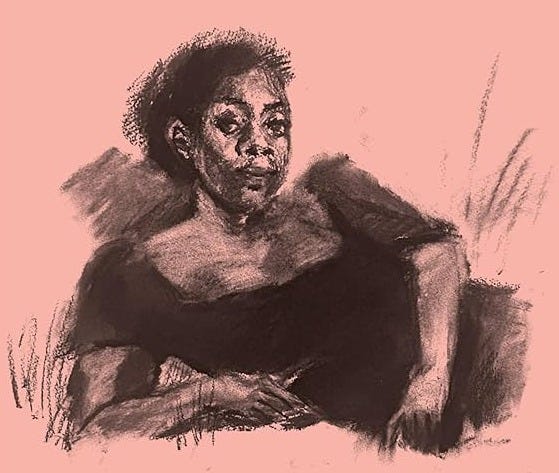
Lucy by Jamaica Kincaid (1990) — Through Lucy (1990), Jamaica Kincaid cultivates an intimate exploration of cultural clash propelled by privilege. Told in the first person, this coming-of-age novella follows 19-year-old Lucy from the West Indies to the United States, where she works as an au pair for a wealthy family (“In photographs of themselves, which they placed all over the house, their six yellow-haired heads of various sizes were bunched as if they were a bouquet of flowers tied together by an unseen string.”). In fleeing her own mother’s oppressive influence, Lucy finds a stateside counterpart equal in its complexity. The American family, at first, transfixes Lucy. But her perspective eventually sharpens into a more critical color (“It was very beautiful all the same, and it was beautiful because it was so insincere and artificial.”).
A riddled relationship arises between Lucy and matriarch Mariah, the kind of white woman who boasts a splash of Indian ancestry “as if she were announcing her possession of a trophy.” Admiration and tension boil over as distinctions in age, race, class, nationality, and more lay their divergent worldviews bare (“‘Mariah, do you realize that at ten years of age I had to learn by heart a long poem about about some flowers I would not see in real life until I was nineteen?’ As soon as I said this, I felt sorry that I had cast her beloved daffodils in a scene she had never considered, a scene of conquered and conquests…It wasn’t her fault. It wasn’t my fault. But nothing could change the fact that where she saw beautiful flowers I saw sorrow and bitterness.”).
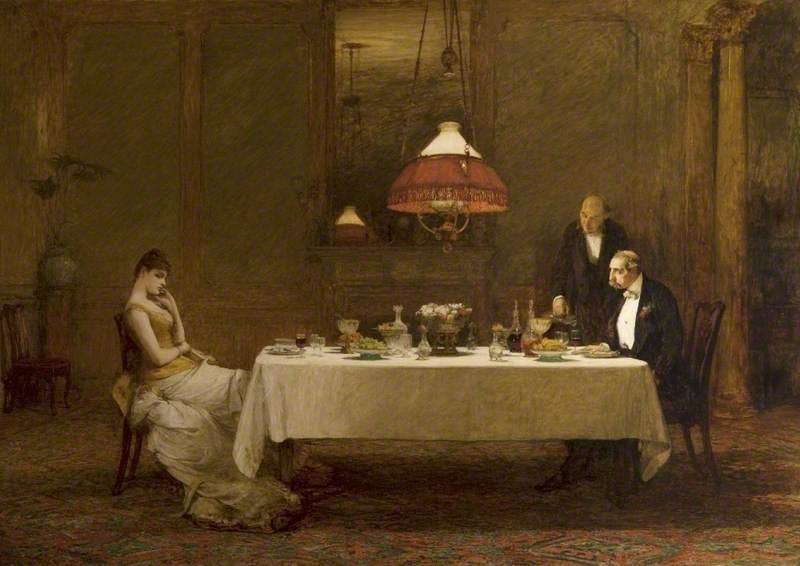
Liars by Sarah Manguso (2024) — If you breezed through Belle Burden’s Strangers (2026) in a matter of days, do I have the next read for you! Part of the 2024 divorce novel boom, Liars (2024) inhabits the first-person perspective of Jane, a writer buoying her deadbeat husband, John. Idealization casts a sheen over his shadier characteristics “in the beginning,” a phrase that becomes biblical through its repetition. With time, Jane’s once-promising career dims, dredged downward as “John’s immaturity and indecision propel their family through a series of cross-country moves, relocations punctuated by losses and layoffs,” per the September 2024 Book Review. As author Hannah Bonner writes in a piece for The Sewanee Review, “John and Jane become a twenty-first-century Adam and Eve whose story has ‘been told ten billion times’ but here, with Manguso’s clarity and candor the tragedy is not lyrically adorned but brutally rendered and plain.”
Upcoming Content to Consume
First things first, the first three James Bond films — Dr No. (1962), From Russia With Love (1963), and Goldfinger (1964) — land on Criterion today! Check out “The Content Corner Guide to…Sean Connery as James Bond” before streaming.
Secondly, today marks Marilyn Monroe’s 100th birthday! A handful of the commemorative screenings and events discussed in the May newsletter continue into June, with festivities now picking up across the pond. In London, Marilyn Monroe: Self Made Star starts screening at BFI Southbank today and Marilyn Monroe: A Portrait opens at the National Portrait Gallery on 6.4, with a new 4K restoration of The Misfits (1961) entering British and Irish cinemas on 6.5.
Now, here’s what’s on IRL across New York and LA this month:
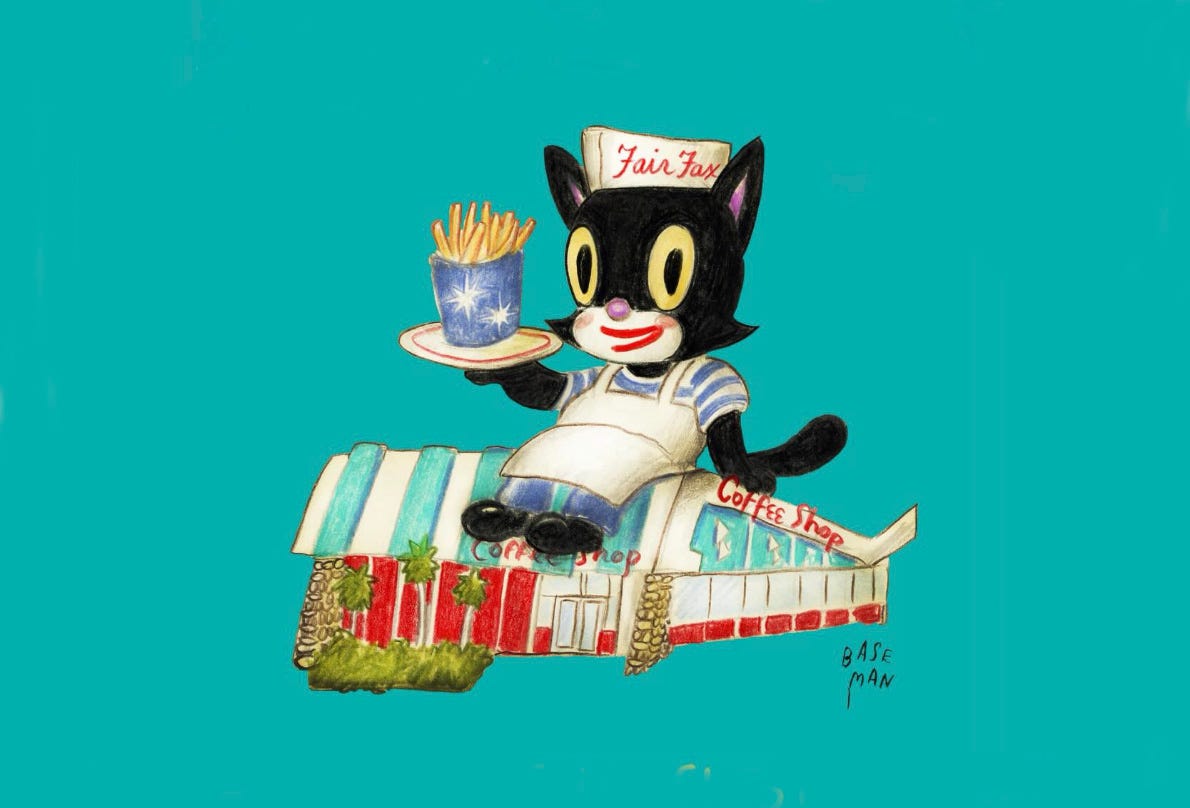
Off the Menu Exhibition at Johnie’s Coffee Shop (Dates: 6.1-6.14) — Johnie’s Coffee Shop, the long-closed Miracle Mile diner featured in films like The Big Lebowski (1998), has found new life as a space for local artist Gary Baseman’s first exhibition since 2013.
Johnie’s has fulfilled a multitude of functions since its closing in 2000. “Under the guidance of the Community Solidarity Project, a mutual aid nonprofit with a longstanding footprint in Mid-Wilshire, the building served as a campaign center for Bernie Sanders, a mutual aid distribution hub, a filming location with student filmmakers, and more,” as LAist reports. Now, Off the Menu features Baseman’s doodles over 40 iconic LA restaurant menus, the exhibition first opening in tandem with the D line’s expansion to include a stop on Wilshire and Fairfax.
You can swing by Wednesday to Sunday between 12:00 and 7:00 PM until 6.14!
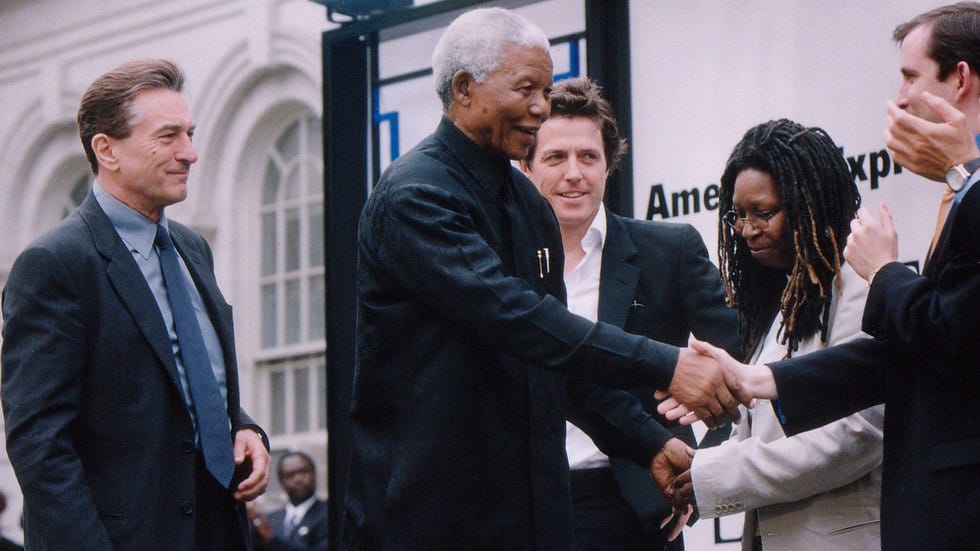
2026 Tribeca Film Festival (Dates: 6.3-6.14) — The Tribeca Film Festival returns to New York on Wednesday, marking its 25th anniversary! ICYMI: Robert De Niro, Jane Rosenthal, and Craig Hatkoff conceptualized it following 9/11 in an attempt to infuse cultural life into a downtrodden downtown Manhattan. The festival first came to life in May 2002, drawing upward of 150,000 attendees and including an opening keynote from Nelson Mandela on the importance of art as a vehicle for healing.
The Tribeca Film Festival has since become an annual New York staple, featuring film screenings, panels, keynotes, and more. This year, personal favorite programming picks include a Q&A with co-founders De Niro and Rosenthal, a talk from Teyana Taylor on her career, and a 25th anniversary screening of Bridget Jones’s Diary (2001) featuring a post-film talk with Renée Zellweger and director Sharon Maguire.
The festival offers something for every socioeconomic standing; passes come at a high price point and individual event costs vary within the realm of reason, with a select sampling of free outdoor screenings rounding out the options. Explore the full schedule here and feel free to message me if you need a promo code!
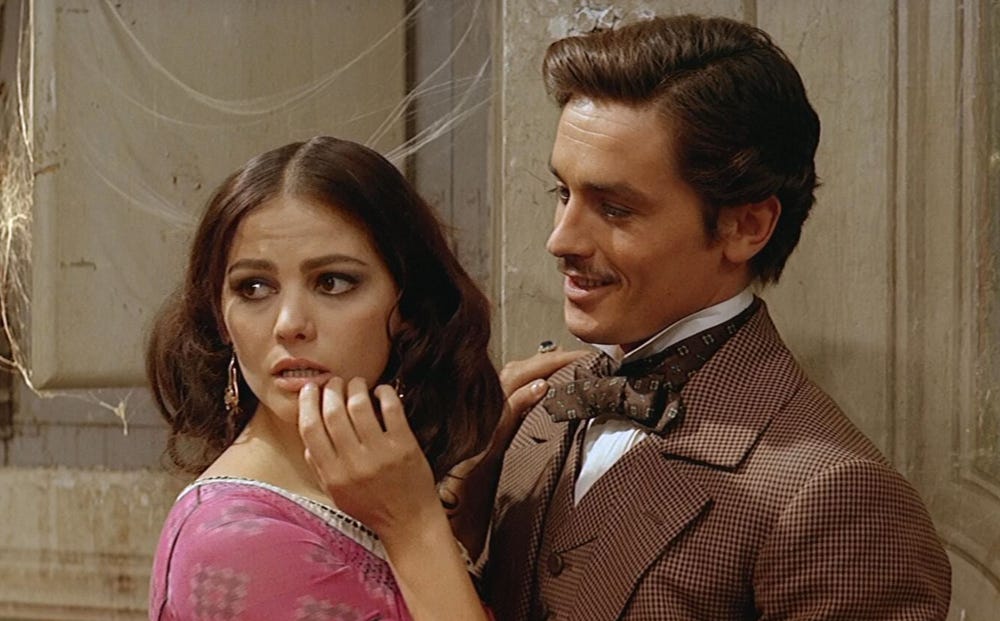
Film at Lincoln Center’s History, Italian Style Series (Dates: 6.4-6.25) — In partnership with Cinecittà, Film at Lincoln Center mounts a repertory series dedicated to Italian cinema this month. The 29-film festival examines “the evolution of modern Italy — from its unification through the rise of Mussolini and World War II — through the lens of Italian cinema, presented in beautiful 4K restorations and imported prints,” per the site. You can check out the full line-up and accompanying showtimes here!
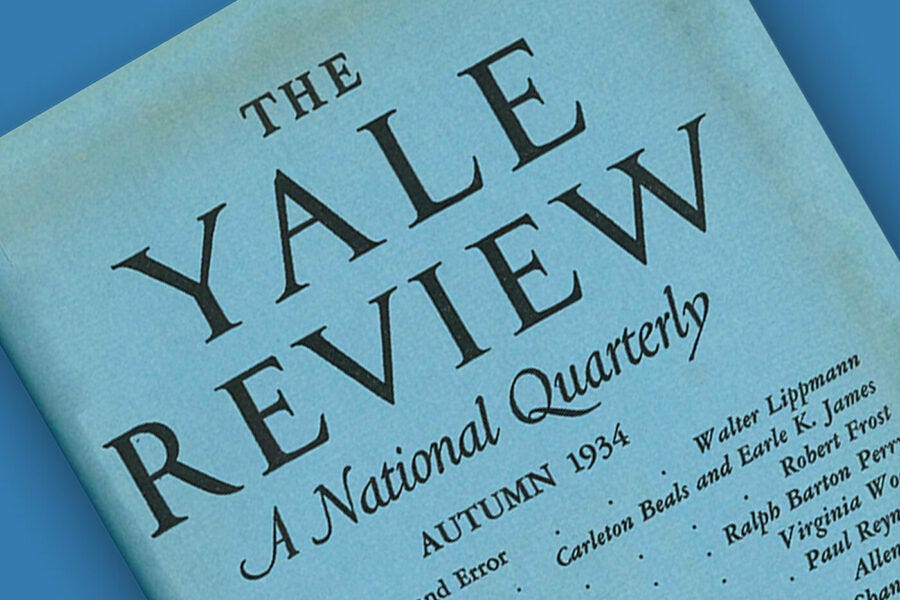
McNally Jackson Seaport: The Yale Review Summer Issue Launch Party (Date: 6.5) — Celebrate the launch of The Yale Review’s summer issue at McNally Jackson Seaport! Executive editor Meghan O’Rourke will attend alongside staff, with readings from contributors Nell Freudenberger, Sarah Thankam Mathews, and Audrey Wollen punctuating the evening. You can RSVP here, reserving an issue in advance or buying at the door.
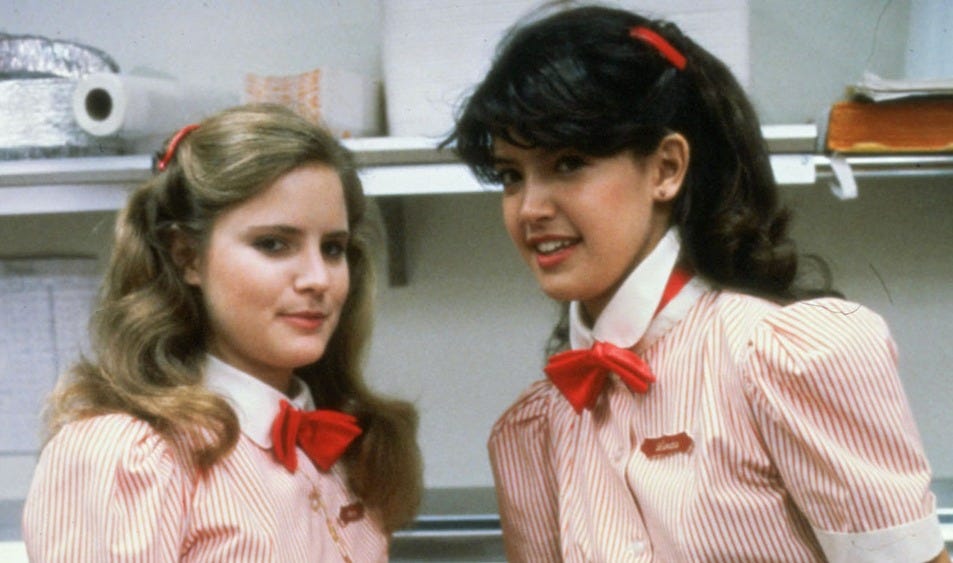
Cinespia: Fast Times at Ridgemont High (1982) (Date: 6.6) — Amy Heckerling’s teen comedy precursor to Clueless (1995) plays at Hollywood Forever Cemetery this weekend, courtesy of Cinespia! Fast Times at Ridgemont High (1981) stars early-days Sean Penn, Jennifer Jason Leigh, Phoebe Cates, Judge Reinhold, and Forest Whitaker as San Fernando Valley teenagers holding down subpar jobs while falling in and out of lust at their local mall.
Despite earning a one-star rating from Roger Ebert, Fast Times had an outsized impact on culture upon its premiere and remains a beloved classic. As film critic Dana Stevens writes in a 2021 Criterion essay, “Heckerling’s film is a raunchy crowd-pleaser replete with stoner humor, a masturbation gag, and a blow-job tutorial that makes use of school-cafeteria carrots. But it is also attuned to the emotional lives of teenagers — girls and boys — in ways that place it far ahead of its time.”
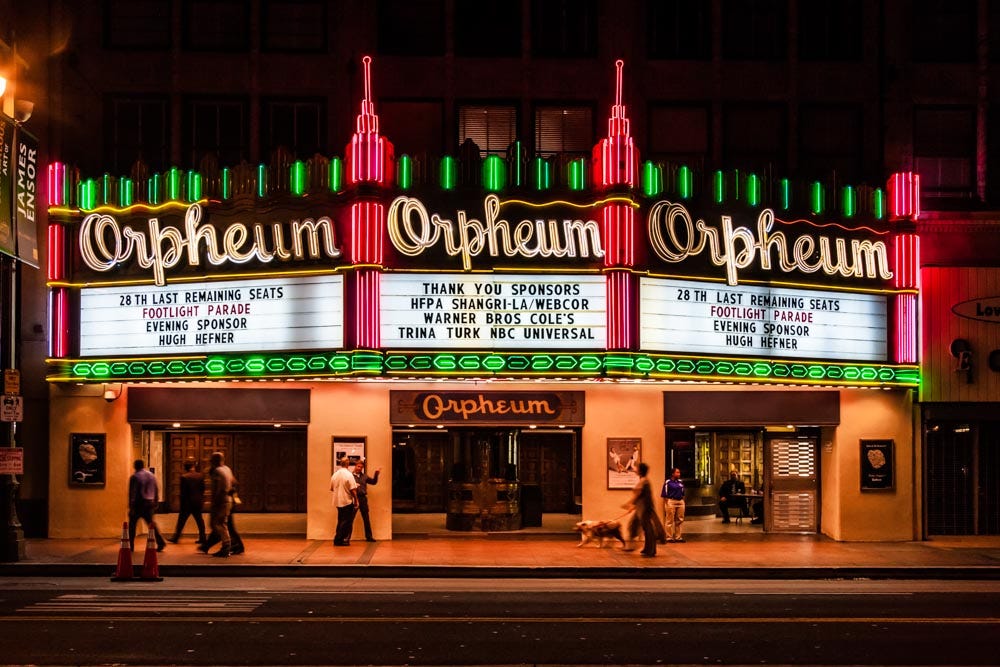
The LA Conservancy’s Last Remaining Seats Series (Opening Date: 6.6) — Last Remaining Seats is back! As you might recall from last summer, this long-standing tradition from The LA Conservancy, first launched in 1987, consists of a film festival held across some of the city’s oldest theaters.
My top picks from this year’s programming include Rebel Without a Cause (1955) at The Orpheum, North by Northwest (1959) at The Million Dollar, and L.A. Confidential (1987) at The Los Angeles Theatre.
You can find showtimes and book tickets here!
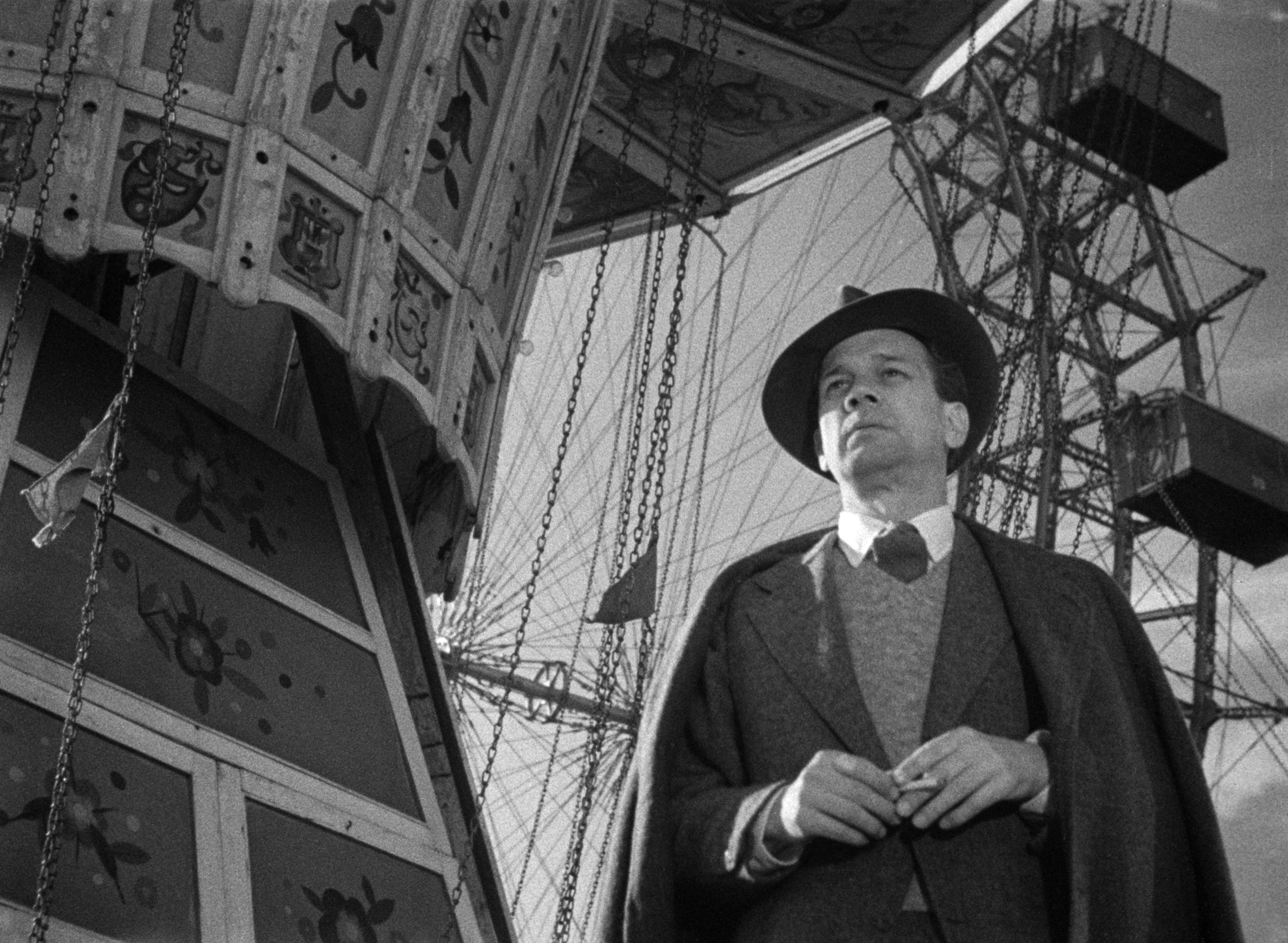
Film Forum and New Beverly Cinema: The Third Man (1949) (Opening Date: 6.12) — A new 35mm print of Carol Reed’s The Third Man (1949) comes to Film Forum and The New Bev in a couple weeks! The 1949 Palme d’Or winner opens with the arrival of American author Holly Martins (played by Joseph Cotten) in Allied-occupied Vienna, prompted by plans to work with his childhood friend, Harry Lime (played by Orson Welles). Holly soon learns of Harry’s untimely death, a tenuous truth that cracks open what Criterion calls a “legendary tale of love, deception, and murder.” Shot on location amidst postwar ruins, The Third Man captures a particular point in Austria’s history through cinematographer Robert Krasker’s stark cinematography, set to composer Anton Karas’s absolute banger of a theme.
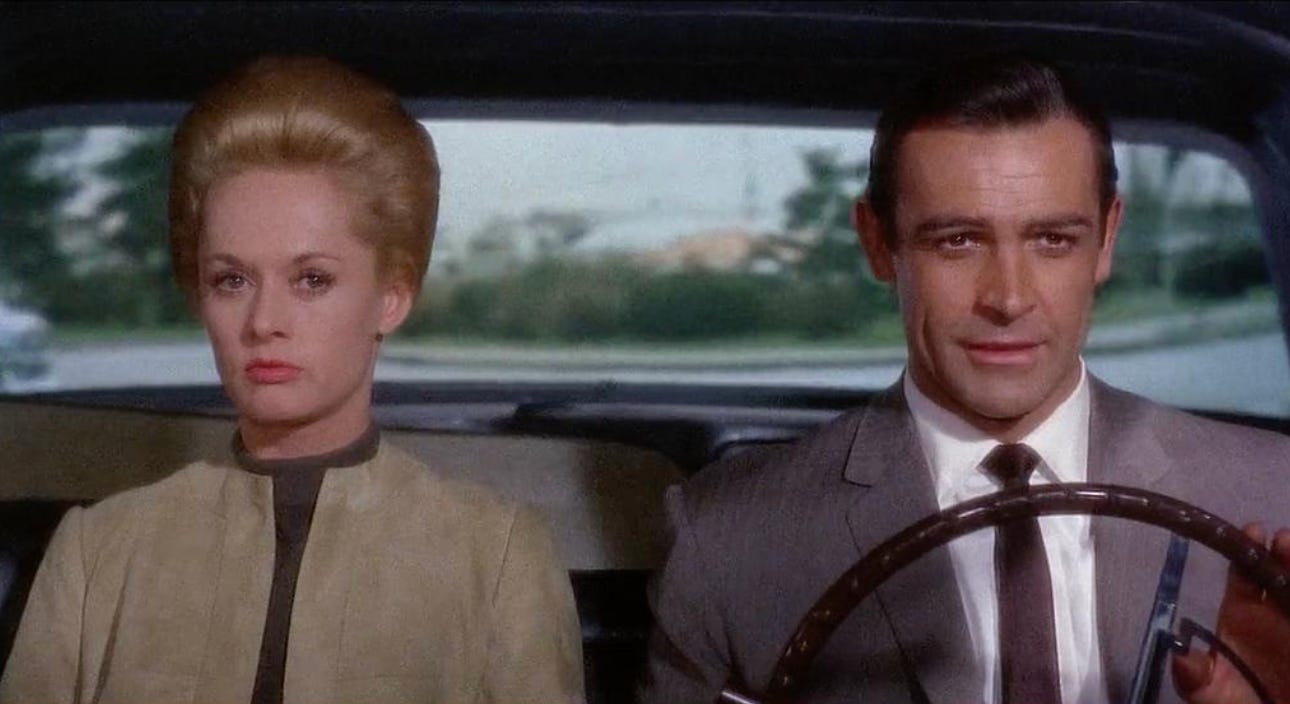
Metrograph: Marnie (1964) (Dates: 6.12-6.19) — Local horse girl heals childhood trauma with help of Sean Connery in matching pajama sets! As I write in the October Movie Review:
Marnie (1964) stars Tippi Hedren as its titular character, a serial thief who swindles money from each of her employers before assuming a new identity. (In his 1964 review for The New York Times, Eugene Archer describes her as a “ladylike heroine, who changes her hairdo every time she cracks a safe.”) Stuck in a stunted mother-daughter relationship, she suffers from acute panic attacks triggered by thunderstorms, the color red, and the touch of men. The funds from each job go toward supporting her mother, Bernice (played by Louise Latham) and horse, Forio…After fleeing from her position at a tax company with $10,000, Marnie begins working for, then going out with, wealthy publisher Mark Rutland (played by Connery) — unaware of his connection to her former company.
With Marnie, Alfred Hitchcock cuts closer to the psychological bone compared to some of his prior pictures. The structure carries certain similarities to Suspicion (1941). But, where Suspicion fizzles out at surface level, cut off under the constrictive Hays Code, Marnie emerges as a deeper meditation on marriage…Without spoiling too many specifics, its ending bears similarities to Nicholas Ray’s In a Lonely Place (1950): two characters bound together by tenuous trust and a flurry of uneven feeling.
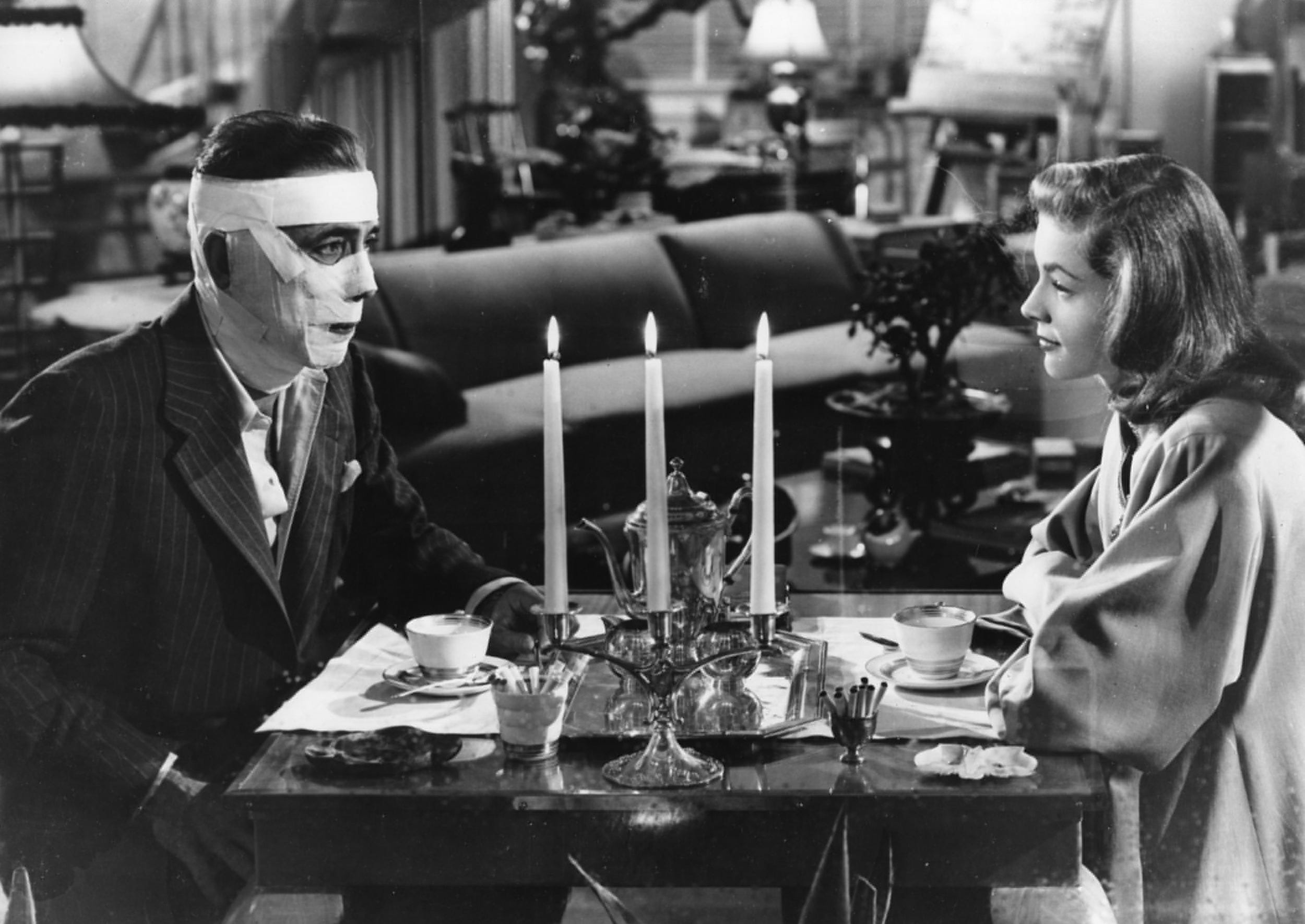
Los Feliz Cinema: Dark Passage (1947) (Date: 6.20) — Undoubtedly the weirdest Humphrey Bogart and Lauren Bacall movie, but a Humphrey Bogart and Lauren Bacall movie nonetheless, this San Francisco-set noir from director Delmer Daves follows San Quentin escapee Vincent Parry (played by Bogart) on a plastic surgery-fueled pursuit to clear his name of murder and find his wife’s true killer. Catch it on 35mm courtesy of American Cinematheque!
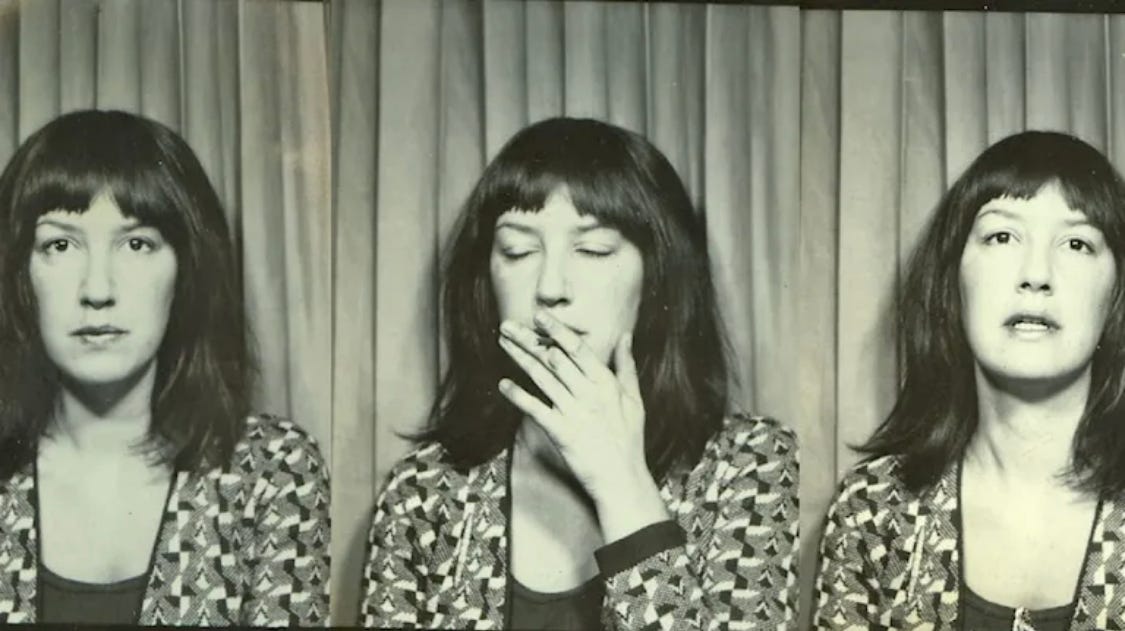
Book Soup: Too L.A.: Letters Never Sent (But Some Were) (2026): A Celebration of Eve Babitz with Matthew Specktor, Chiara Towne, and filmmaker Sandi Tan (Date: 6.23) — Following Eve Babitz’s death, her biographer, Lili Anolik, pored over the late writer’s letters at The Huntington Library and Gardens in Pasadena, with one particular missive to Joan Didion sparking the inspiration for Didion and Babitz (2024). Now, Anolik has collected a book’s worth of Babitz’s letters, slated for publication on 6.23.
To mark the occasion, West Hollywood-based independent bookstore Book Soup will host a launch event. You can RSVP here!
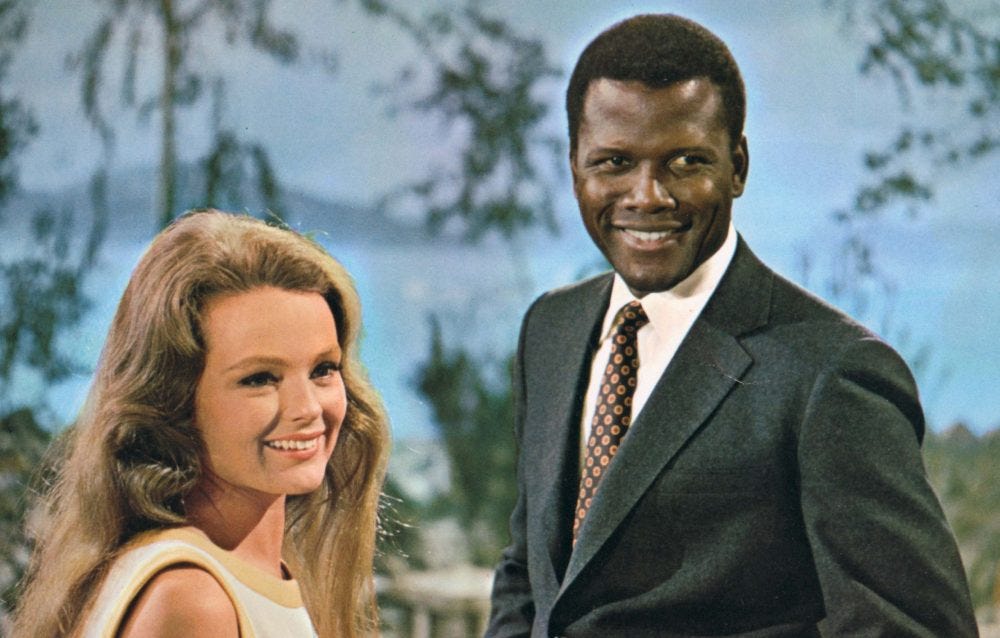
The Paris Theater’s Something Borrowed, Something Blue Series (Timing: Ongoing in June) — The Paris has chosen to celebrate the peak of summer wedding season with a series dedicated to “the many stages of marriage, how the tradition has transformed across generations and cultures, and the realities of what comes after the ceremony,” per the site.
Something Borrowed, Something Blue comes in three parts, dedicated to the before, during, and after phases that punctuate matrimony. Personal favorite picks from the first set include Guess Who’s Coming to Dinner (1967), What’s Up, Doc? (1972), and Moonstruck (1987), with Coming to America (1988) and The Age of Innocence (1993) toward the top of my to-watch list.
You can see a full list of showtimes, as well as stay tuned for part two and three screening selections, here!
Miscellaneous Musings

2026 Cannes Film Festival Palme d’Or and and Grand Prix Winners — Past Palme d’Or winners include Content Corner favorites It Was Just an Accident (2025), Anora (2024), and Anatomy of a Fall (2023). This year, the most prestigious prize in Cannes went to Fjord (2026), an English language debut from Romanian director Cristian Mungiu. It stars Sebastian Stan and Renate Reinsve as religious parents who relocate from Romania to a free-thinking Norwegian village and find themselves facing child abuse allegations. Neon — the American distributor that brought the past seven Palme d’Or winners to the States — picked up the film for U.S. distribution ahead of this year’s festival.
The Grand Prix, the runner-up prize claimed by Sentimental Value (2025) and The Zone of Interest (2023) in recent years, went to Andreï Zvyagintsev’s Minotaur (2026), described by The Hollywood Reporter as “an immaculate domestic thriller set against contemporary Russia…[that] follows an executive…required to sign over his employees to be cannon fodder for the Russian war effort in Ukraine. At the same time, he suspects his wife may be having an affair.” MUBI acquired the rights for American distribution back in April, Variety reports.
More Literary AI Drama, This Time at Granta — In April, we talked about British writer Mia Ballard’s AI-drafted debut, Shy Girl (2026). Now, the LLM plague has infiltrated more hallowed halls with a recent scandal over at Granta. Despite its Commonwealth Prize winner bearing obvious markers of AI, the author a noted evangelist of the technology as a writing tool, the esteemed magazine essentially put out the statement equivalent of a shrug (“It may be that the judges have now awarded a prize to an instance of AI plagiarism — we don’t yet know, and perhaps we never will know.” Oh!! Okay then!) Anyway, over at Vulture, Canadian-American journalist Vauhini Vara has developed a thoughtful, in-depth piece on the situation and what it signals for the broader literary landscape that’s well worth a read.
The Magazine Symposium at Wesleyan University — Speaking of literary magazines, this fall, the first-ever Magazine Symposium will land at Wesleyan University. Spanning two days, it “will convene prominent editors for talks and seminars…designed to appeal to working writers and editors as well as students and aspiring staffers. Sessions will speak to all parts of the publishing process — founding a magazine, creating a style guide, building a stable of writers, fact checking, and more—and will engage with larger questions about the state of media in a changing culture,” per the Eventbrite link.
Free and open to the public, the event will run from 10.29 and 10.30, with participating magazines including The Drift, Granta, The New Yorker, The Paris Review, Harper’s, The Yale Review, The New York Review of Books, and more. I will remind you all again in October, but, since I imagine the event will hit capacity fairly quickly, I would sign up ASAP here if you’re interested!
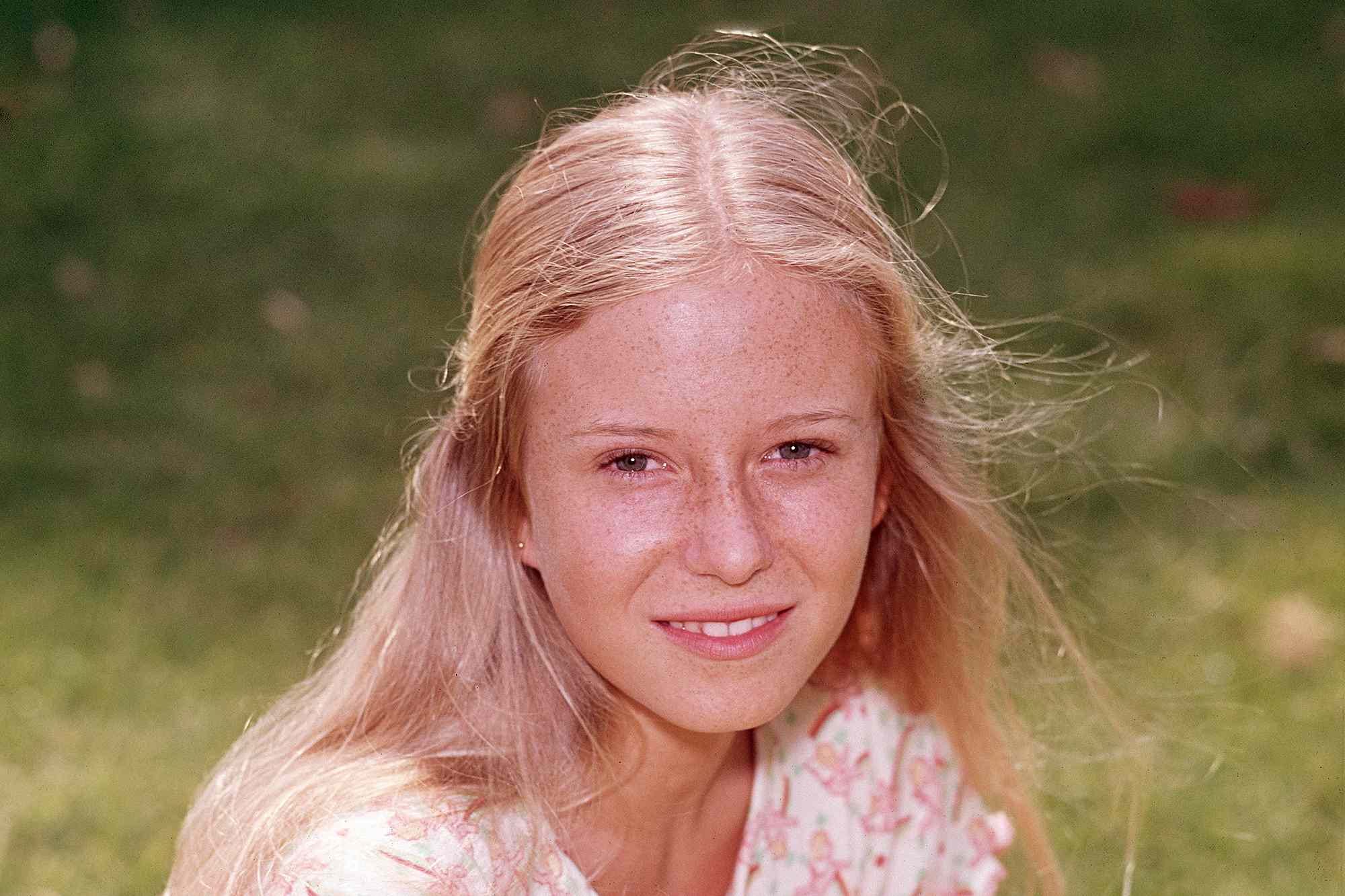
Eve Plumb on The Bret Easton Ellis Podcast — The Brady Bunch (1969-1974) star Eve Plumb, aka: the original Jan Brady, recently wrote a memoir, Happiness Included: Jan Brady and Beyond (2026), that hit bookshelves back in April. As part of the promotion process, Plumb went on The Bret Easton Ellis Podcast in May, lending her perspective to a narcotically nostalgic episode about growing up in and around the entertainment industry, whether Quentin Tarantino based the little girl in Once Upon a Time…in Hollywood (2019) on her, and more. Check it out here!
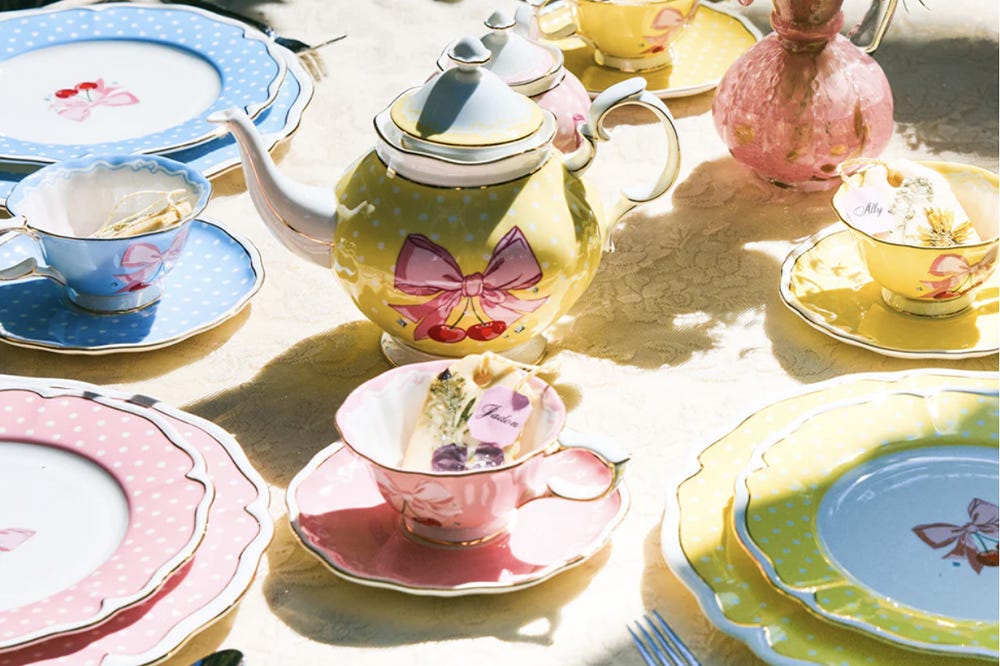
New Marilyn Monroe-Inspired Teaware Collection — Noon & Moon, an LA-based glassware and tableware brand, has partnered with the estate of Marilyn Monroe to launch two limited edition collections. The Romance Edit™ draws its inspiration from Monroe’s style, “each piece…adorned with the collection’s signature bow-and-cherry motif, an homage to the style codes that made Marilyn instantly recognizable,” as the brand describes. Meanwhile, Hollywood Bloom™ operates as an homage to her filmography, blending “the iconic pink of Gentlemen Prefer Blondes (1953), the elegance of The Prince and the Showgirl (1957), the dreamy pastels of How to Marry a Millionaire (1953).” Fun and chic!
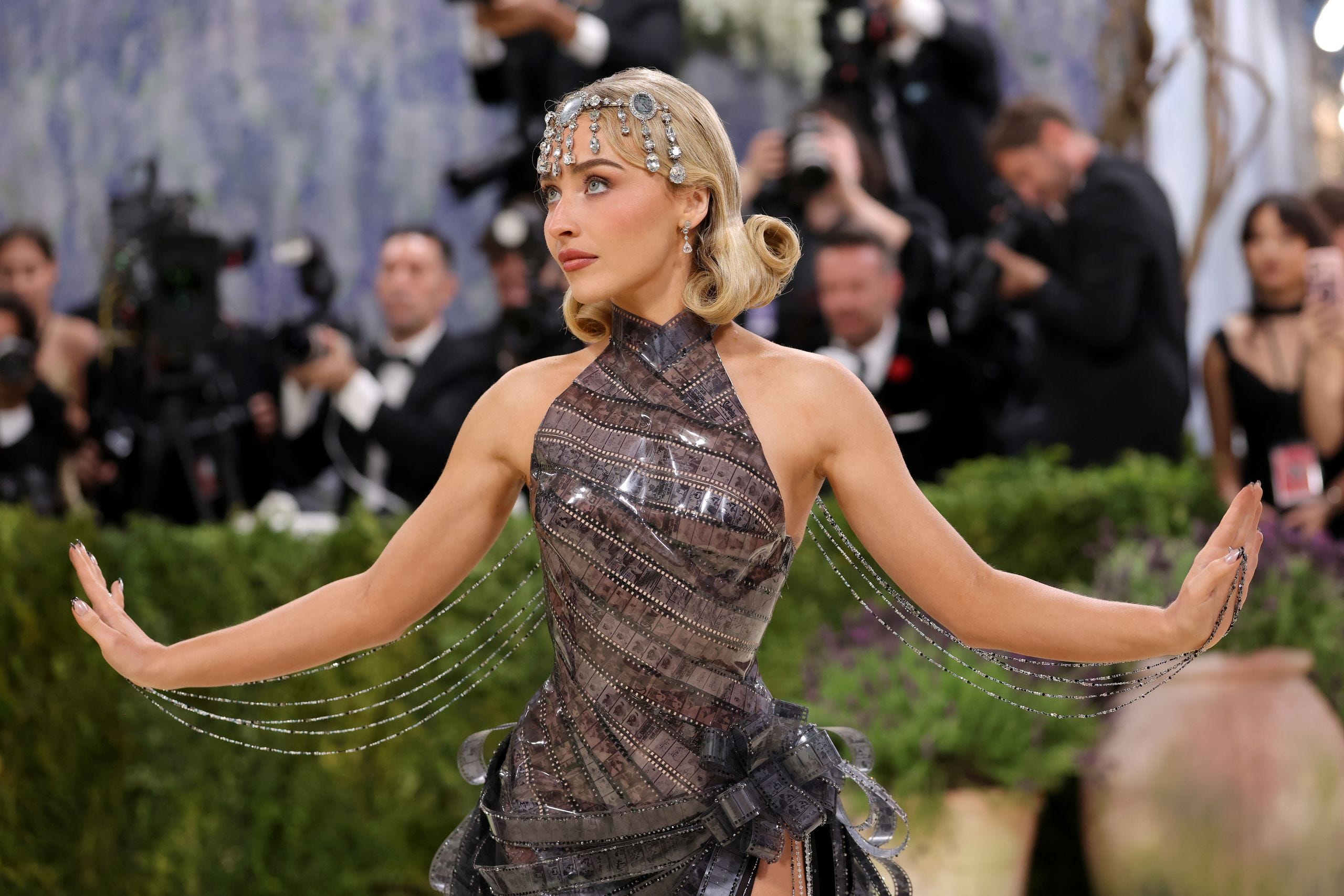
Film Tributes in Fashion — Unsurprisingly, Sabrina Carpenter’s Met Gala look landed among my favorites. An ode to Billy Wilder’s Sabrina (1954), the custom Dior dress consists of film strips from the classic rom-com. Then, at the Cannes Film Festival, Bella Hadid stepped out in a near-replica of Jane Birkin’s DIY outfit for the 1969 Union des Artistes Gala in Paris, her custom version courtesy of Schiaparelli. J’adore!
Supplemental Reading
As always, don’t forget to use archive.ph if you can’t access these pieces or any of the ones throughout my Substack!
Fiction:
The New York Times: Pulitzer Prizes 2026: A Guide to the Winning Books and Finalists
The New York Review of Books: What Happened in Vegas: A Review of John Gregory Dunne’s Vegas (1974)
Bookforum: The Art of Affliction: Stephanie Wambugu on the Novels of Vigdis Hjorth
Film:
Deadline: Cannes Film Festival 2026: Read All Of Deadline’s Movie Reviews
ELLE: Women of The Odyssey (2026)
11am Saturday: 15 Questions With Tribeca Festival Team of Programmers
Interview Magazine: Wallace Shawn Isn’t Ready to Die
Vanity Fair: James Bond Auditions Are Officially Underway, and These Actors May Be at the Top of the List
Variety: Cinerama Dome Moves One Step Closer to Opening After L.A. City Planning Approves Alcohol Permit
Los Angeles Times: 650 movies later, Cinespia turned a Hollywood cemetery into L.A.’s summer utopia
Other:
The Metropolitan Review: Millennial Hipster Jesus: On Lena Dunham’s Famesick (2026)
The New York Review of Books: Art for Our Sakes: Zadie Smith on the Point of Art
Social Media Round-Up
A section aggregating tweets, TikToks, Notes, etc. that made me smile or laugh in the past month:
Cocktail of the Month
Prepare Mathilde’s tomato tart from The Margot Affair over a…
To make it, chill your martini glass of choice in the refrigerator for at least five minutes. Add ice to your cocktail shaker, followed by half an ounce of raspberry Chambord, one ounce of pure pineapple juice, and one and a half ounces of vodka.
Shake vigorously for about 30 seconds, then strain the drink into the martini glass, and enjoy!
That’s all for now!
xo,
Najet
I really enjoyed the Margot Affair!! It’s a book that sticks with you! Also, pairing it with one of my all time fav cocktails - the deceptively simple French Martini - is a fabulously inspired choice!! Amazing June recs, you always have such a great pulse on things!!
Thanks for the shout! Excited to dive in to your list after work