


Every April, I am at a loss for a cohesive theme. Simply a month with no zest!
Anyway, let’s get into it:
April Book Selections
This month, we’re reading 20th century-set office novels because why not!
Recommendations include:

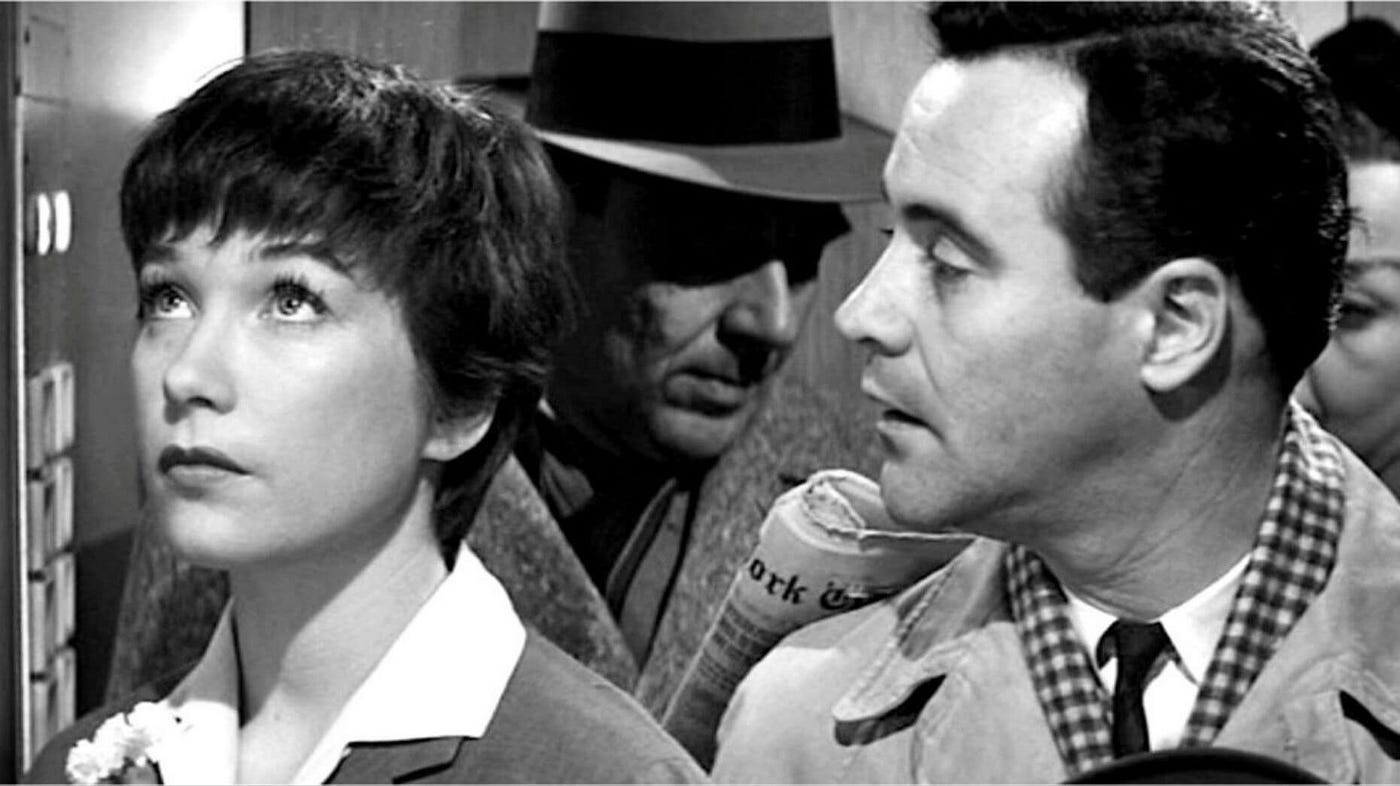
The Best of Everything by Rona Jaffe (1958) — An overnight sensation upon publication, The Best of Everything (1958) takes its name from The New York Times’s of-the-era advertisements promising young women “the best of everything: the best job, the best surroundings.” The novel opens with that notion as epigraph before unveiling it as mere myth over the next 400+ pages. As I write in the February 2024 Book Review:
The narrative initially focuses on three young women working in the typing pool of Midtown publishing house Fabian Publications — Westchester sophisticate and former Radcliffe girlie Caroline Bender, Colorado country bumpkin April Morrison, and aspiring actress Gregg Adams — before widening its aperture to encompass a broader chorus. Jaffe meanders through the lives of various women in and around Fabian, capturing an earnest snapshot of the era’s emotional texture through a decidedly female lens. As The New Yorker puts it: “Rona Jaffe’s best-seller from 1958, is what you would get if you took Sex and the City and set it inside Mad Men’s universe…it has the white-gloved, Scotch-swilling aesthetic of the fifties but also an unflinching frankness about women’s lives and desires — a combination that makes it feel radical, prescient.”
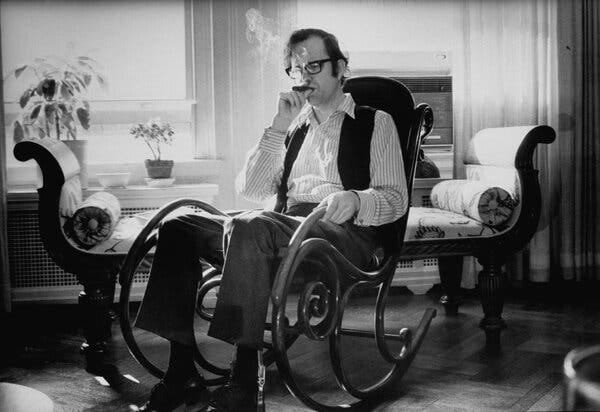
Office Politics by Wilfrid Sheed (1966) — A mid-20th century novel of manners from English-born American writer Wilfrid Sheed, Office Politics (1966) satirizes the ever-present political nuances of corporate life. Its close third-person perspective animates the nuances of left-leaning culture magazine The Outsider, primarily through the prism of recent college grad George Wren. As I write in the February 2025 Book Review:
After seeing a junior editor listing, George leaves his post at CBS for a new position at half the salary — and office half the size. English expat Gilbert Twining serves as executive editor, with sharks circling around his post in the form of strung-out office furniture Brian Fine (“white and sluggish from years in that terrible office…Brian Fine was the third stage of an editor’s life cycle”) and scheming social climber Fritz Tyler. When Twining travels out West, George, appointed as his boss’s eyes and ears, quickly learns that a smaller fishbowl brings tensions to a quicker boil (“CBS politics had been played on too large a playing field, so you couldn’t see the players at the far end. This stadium was just the right size.”)…Deflection defines each interaction, as workers seek to suss out others’ alliances before revealing their respective cards.
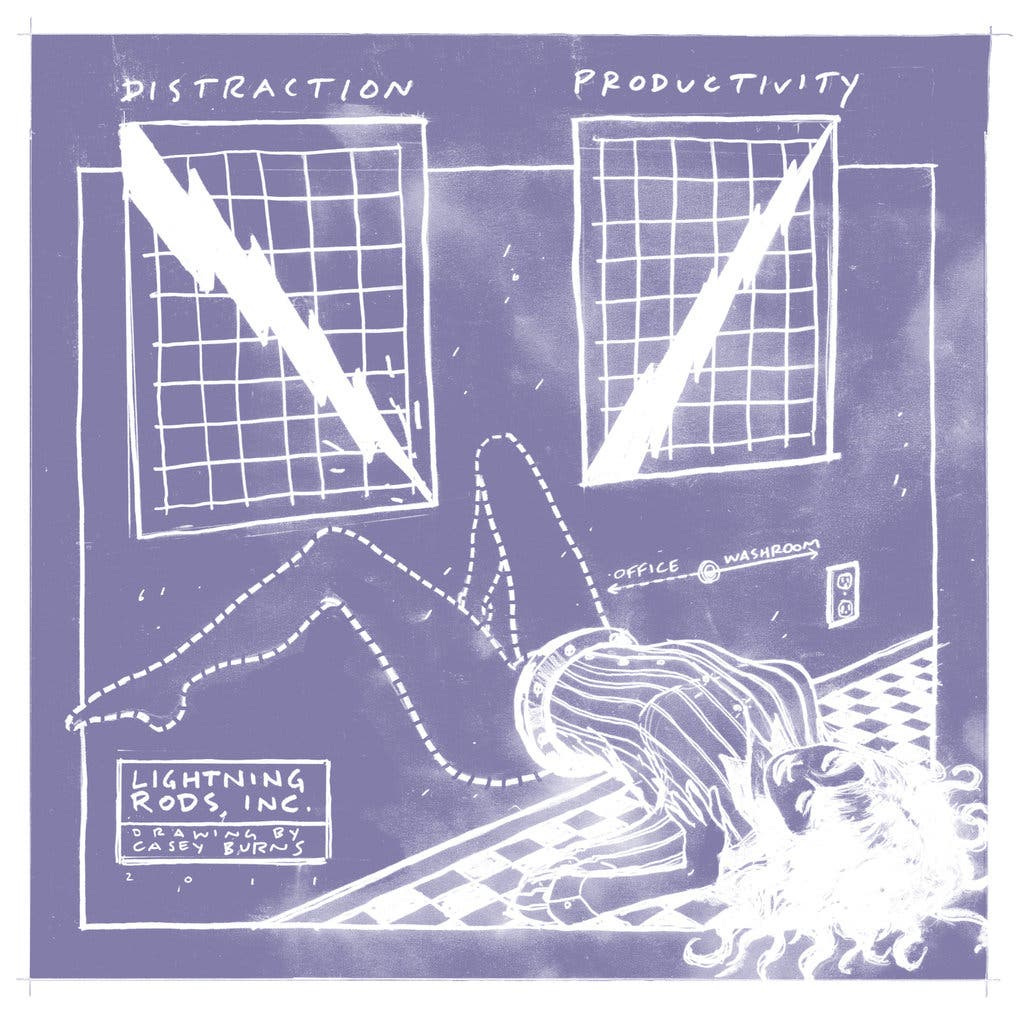
Lightning Rods by Helen DeWitt (2011) — Written and set before the turn of the millennium, published a decade plus later, Lightning Rods (2011) “satirizes the specificities of mass corporate culture, an earlier iteration of it filled with faxes and frustrations around the introduction of blue M&Ms,” as I write in the February 2025 Book Review. American novelist Helen DeWitt expands the satirical framework that shapes Wilfrid Sheed’s Office Politics (1966); she skewers the shallow veneer of start-up culture, framing the workplace as a microcosm of global sexual politics in the waning years of the 20th century.
This inventive office sex comedy follows the rise and fall of encyclopedia-turned-vacuum salesman Joe, who sets out to curb the rampant problem of sexual harassment in the workplace by enlivening his long-running masturbation fantasy. In his 2011 review for The Millions, author Garth Risk Hallberg writes: “Joe’s particular insight is to…not only bring it to life but monetize it. I wouldn’t want to spoil for you the pleasure of discovering that fantasy yourself. Nor would I want to give away exactly how — with the help of a future Supreme Court justice, an adjustable-height toilet, several pairs of PVC undergarments, and a dwarf named Ian — Joe manages to realize it. Suffice it to say, the genius is in the details.”
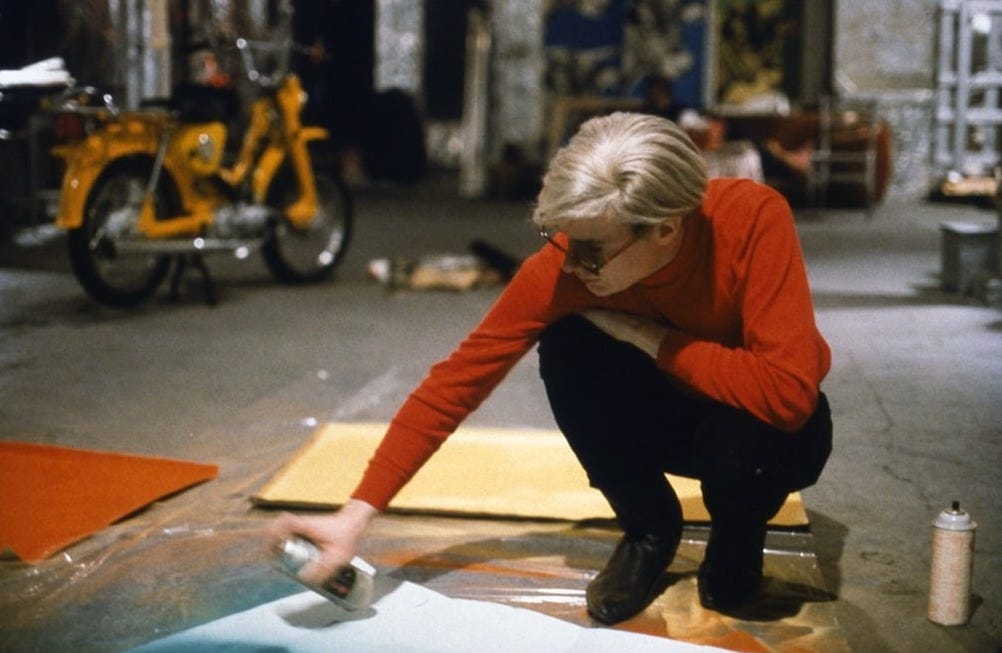
Nothing Special by Nicole Flattery (2023) — The first novel from Irish author Nicole Flattery inhabits a different kind of workplace, weaving the history of Andy Warhol’s Factory into a compelling coming-of-age story. Nothing Special (2023) toggles between the 1960s and the 2010s as an elderly iteration of the 17-year-old main character, Mae, looks back on her mid-20th century Manhattan upbringing, her first job as a typist in an unexpected space. Warhol himself fulfills an analogous function as Joan Didion in John Gregory Dunne’s Vegas (1974), an offstage figure who influences the ideological order of the narrator’s world. In a 2023 piece for The Rumpus, literature professor Emma Staffaroni explains: “I found it satisfying to read a novel that, on the whole, doesn’t frame Andy as the most interesting person in the room. Rather, the characters who do come to life through Mae’s point of view are almost all working women: in addition to the girls at Drella’s studio, there is also her fellow typist-turned-friend, Shelley; Mae’s mother, a career waitress at a diner; and some chic, dry-witted secretaries (who prefer not to be called receptionists).”
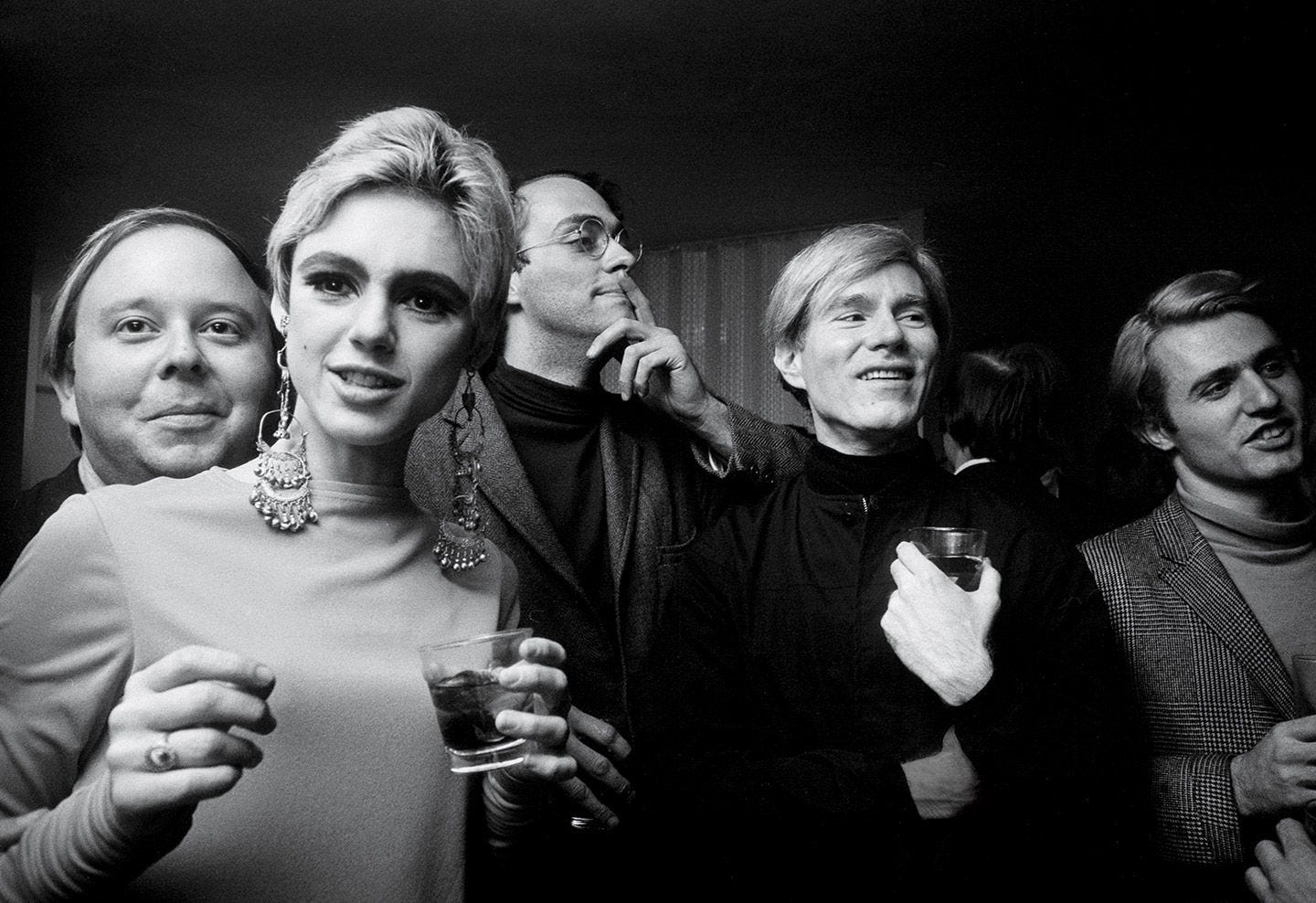
As It Turns Out by Alice Sedgwick Wohl (2022) — To better understand the environment Nicole Slattery enters in Nothing Special (2023), turn to this non-fiction book from Edie Sedgwick’s sister, Alice. ICYMI: the downtown it girl of her era, Edie served as Andy Warhol’s ultimate muse, their singular relationship riddled with envy and adoration. She appeared on the pages of Vogue and LIFE in 1965, her cultural impact, especially alongside Warhol, immeasurable inside that particular year. (Case in point, Roy Lichtenstein and his wife dressed as Andy and Edie for Halloween that fall.) But the honeymoon phase sputtered to a stop when Edie fell out of the Factory scene and started dating Bob Dylan. Her life came to a premature close in 1971 at age 28 after multiple psychiatric ward stints and an ill-fated barbiturate overdose, her place in the American cultural mythos unmoved.
With As It Turns Out (2022), Alice Sedgwick Wohl (who I had the pleasure of seeing speak live with her fabulous transatlantic accent back in 2022) reexamines the presumption of exploitation that drives Jean Stein’s oral history, Edie: American Girl (1982). Per McNally Jackson: “Wohl tells the story as only a sister could, from their childhood on a California ranch and the beginnings of Edie’s lifelong troubles in the world of their parents to her life and relationship with Warhol within the silver walls of the Factory, in the fashionable arenas of New York, and as projected in the various critically acclaimed films he made with her. As Wohl seeks to understand the conjunction of Edie and Andy, she writes with a keen critical eye and careful reflection about their enduring impact. As It Turns Out is a meditation addressed to her brother about their sister, about the girl behind the magnetic image, and about the culture she and Warhol introduced.”
Upcoming Content to Consume
In keeping with April as the month of the office novel apparently, The Criterion Channel has announced a new capsule dedicated to corporate thrillers. Debuting today, the collection captures how, “in the years between 1987’s Black Monday stock-market crash and 2008’s global financial meltdown, Wall Street, white-shoe law firms, and Fortune 500 companies held a special fascination for Hollywood…competing ambitions, ruthless backstabbing, and murky ethical politics ris[ing] to the realm of the Shakespearean.”
Now, here’s what’s on IRL:
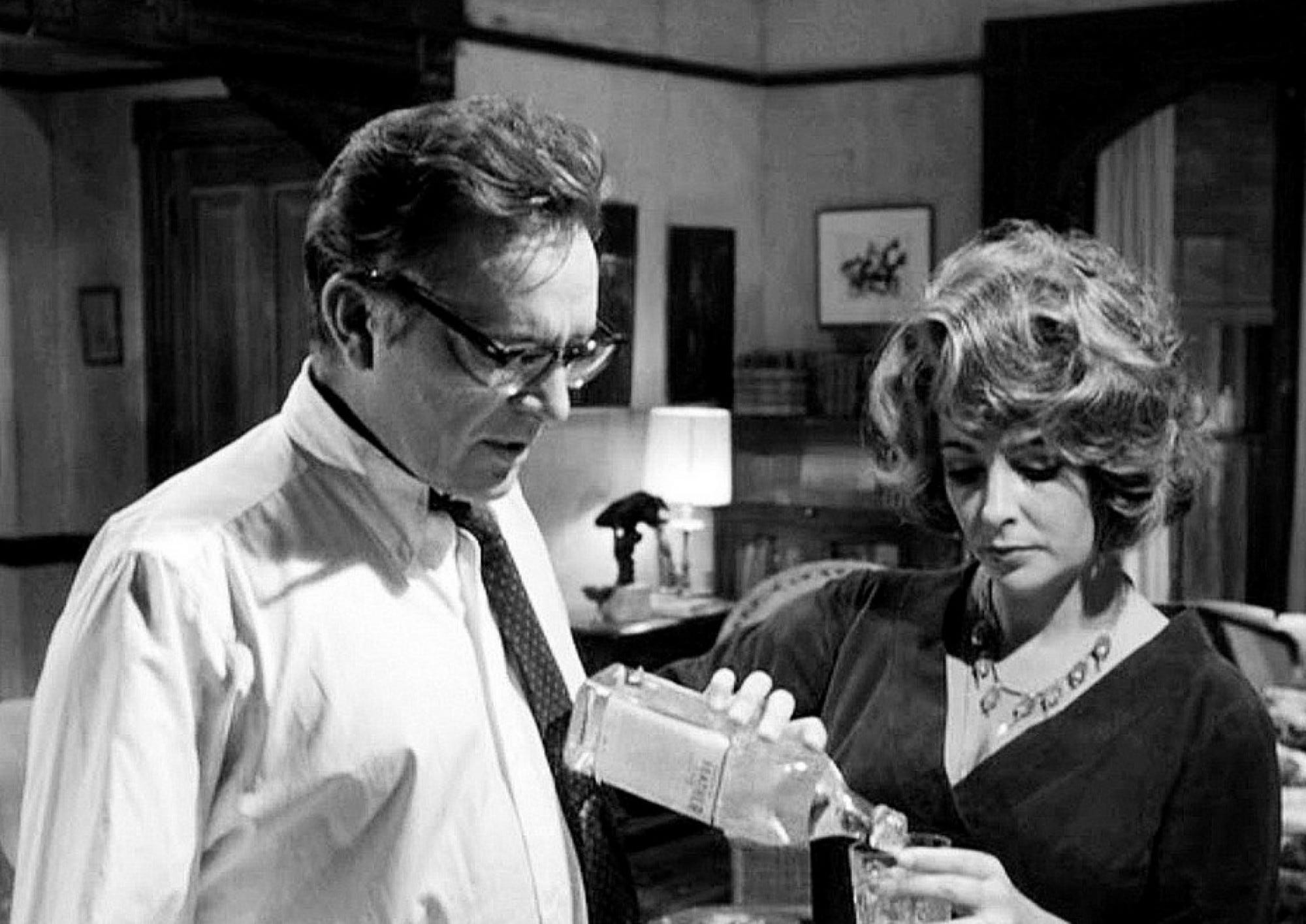
The Paris Theater: Who’s Afraid of Virginia Woolf? (1966) (Date: 4.2) — Long-time subscribers will remember The Spring I Made Who’s Afraid of Virginia Woolf? (1966) My Entire Personality. Based on the eponymous 1962 play by Edward Albee, this personal-favorite film from Mike Nichols — famously starring married again, divorced again lovers Elizabeth Taylor and Richard Burton — plays at The Paris to kick off the month!
For those of you unfamiliar, the narrative centers on college professor George and his wife, Martha (played by Burton and Taylor, respectively), a set of middle-aged spouses who invite a younger couple over for drinks after a faculty party. Truth and artifice morph and blur over the course of the evening, then morning, a “private subtext playing out below the public face of their [George and Martha’s] relationship,” as Cocktails with George and Martha: Movies, Marriage, and the Making of Who’s Afraid of Virginia Woolf? (2024) author Philip Gefter describes.

The Metropolitan Review Print Launch (Date: 4.2) — Tomorrow night, New Yorkers can head to Hurley’s in Midtown, the saloon’s second-floor library bar, for the launch of The Metropolitan Review’s first-ever print publication! The literary magazine, which launched at the start of 2025, has been churning out bangers lately, from a new Brandon Taylor short story to Alexander Sorondo’s in-depth profile of Bret Easton Ellis (more on that in a minute).
Tickets come at two prices: $20 for admission, $45 for admission and a copy of the new issue. You can check out details and book here!
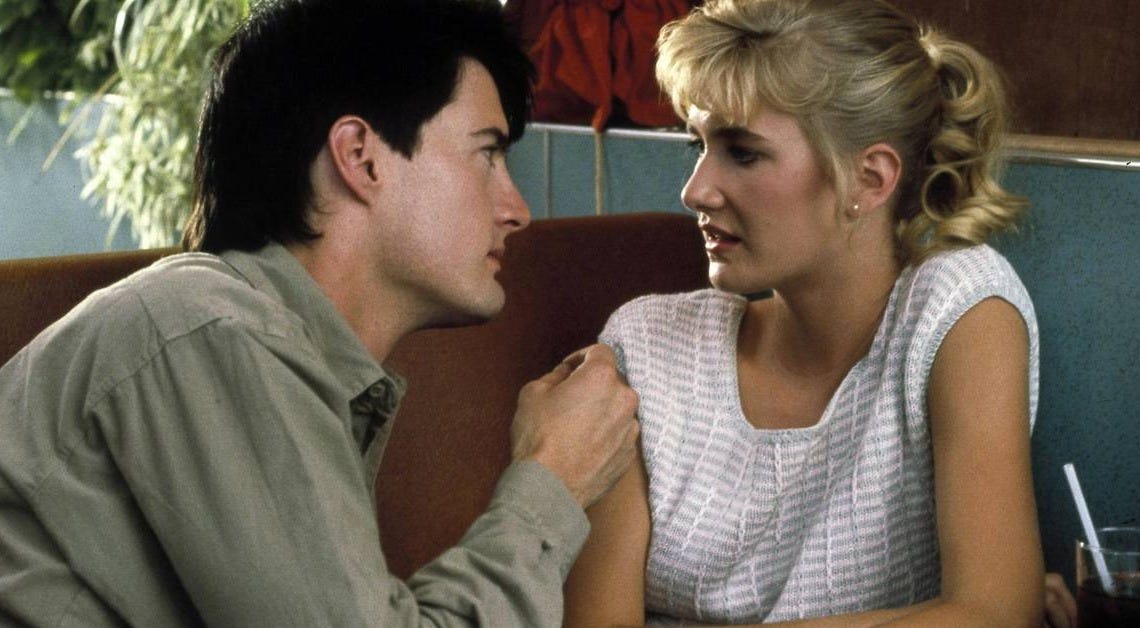
IFC Center: Blue Velvet (1986) (Opening Date: 4.3) — David Lynch’s Blue Velvet (1986) celebrates its 40th anniversary this year, with a new 4K restoration marking the occasion at Metrograph. Kyle MacLachlan stars as mystery-loving college student Jeffrey Beaumont, who recruits the local police chief’s daughter, Sandy Williams (played by the inimitable Laura Dern), to help him uncover the story behind a severed ear found in a field. Their search sparks a spiral into the seedy underbelly of their small town, launching a genre-bending blur that, upon its initial premiere, solidified a Lynch’s specific subcategory of neo-noir.
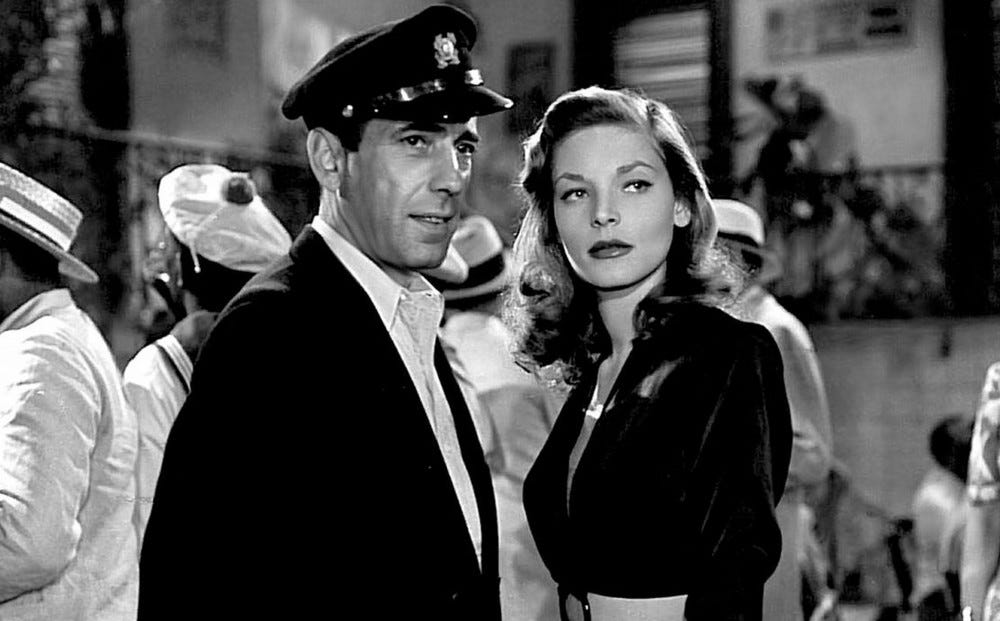
The Egyptian Theatre’s Noir City: Hollywood 2026 Series (Opening Date: 4.3) — Subtitled “Face the Music!,” this 20-film line-up from American Cinematheque and the Film Noir Foundation features a slate that shows “genuine musical legends performing alongside film noir favorites including Humphrey Bogart, Lauren Bacall, Ida Lupino, Kirk Douglas, and Ann Sheridan.” Live musical performances, actor Q&As, and more will accompany screenings of Blues in the Night (1941), All Night Long (1962), and A Man Called Adam (1966), among other movies.
My personal top pick comes in the form of one of my Letterboxd top four: To Have and Have Not (1944). Humphrey Bogart and Lauren Bacall met and fell in love filming the very loose adaptation of Ernest Hemingway’s eponymous 1937 novel, birthing one of Hollywood’s most famed romances, a professional and romantic partnership that lived unto death. It basically functions as Casablanca (1942) with better chemistry and a lighter ending. I would also recommend The Long Goodbye (1973) with Elliott Gould in person, but it unfortunately already sold out.
You can check out showtimes and additional details here!
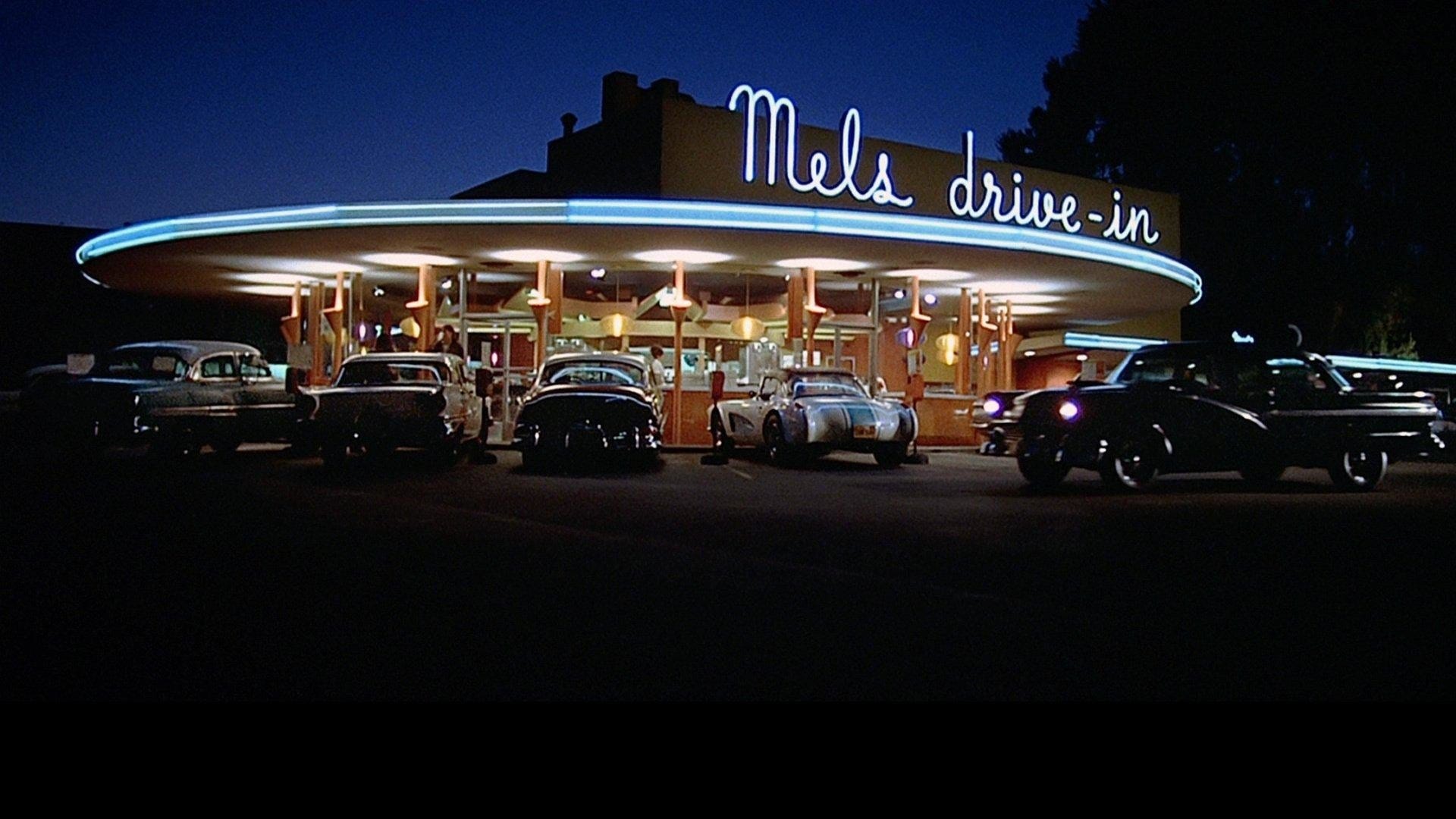
Vista Hollywood: American Graffiti (1973) (Dates: 4.3-4.4) — Catch a late-night screening of American Graffiti (1973) at The Vista this weekend! George Lucas’s first foray into feature filmmaking reanimates his teenage years in Central California at the start of the 1960s, the height of cruising culture. It follows the adventures of a sprawling cast of characters — including cameos from then-unknown Harrison Ford and Suzanne Somers — over the course of one evening, the last night before summer vacation comes to a close. Packed with a 41-song soundtrack, American Graffiti captures the texture of a particular time and place, while also operating as a prelude to the perennial loss of innocence that comes with adulthood.
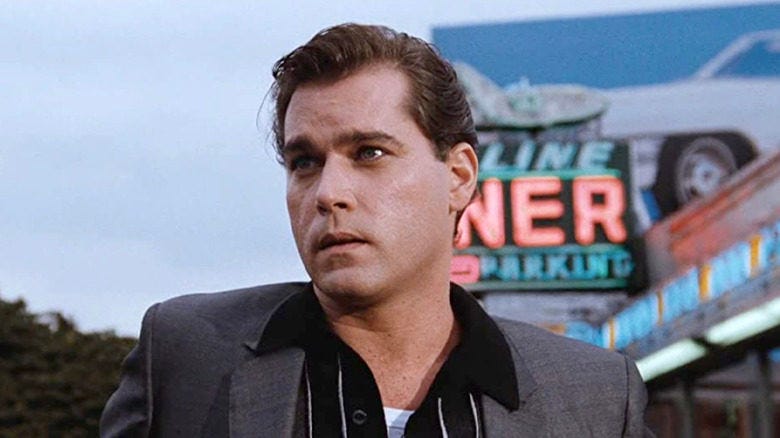
The Paris Theater: Goodfellas (1990) (Dates: 4.3-4.8) — As ever, flagging that Goodfellas (1990) is playing!

The Academy Museum: To Kill a Mockingbird (1962) (Date: 4.5) — Robert Mulligan’s film adaptation of the classic 1960 novel by Harper Lee plays in 35mm this month! Gregory Peck’s daughter, Cecilia, will make a special appearance, discussing her father’s “warm and restrained performance as attorney Atticus Finch.” (Robert Duvall, who passed away in February, notably fills the role of the Finch family’s reclusive neighbor, Boo Radley, in his film debut.)
As Roger Ebert notes in his 2001 review, the film “uses the realities of its time only as a backdrop for the portrait of a brave white liberal,” cultivating a faulty savior myth. But its narrow perspective stems from the worldview of its narrator, Scout Finch (played by Mary Badham), a young girl growing up in the segregated town of Maycomb, Alabama alongside her brother, Jem (played by Phillip Alford), and best friend, Dill (played by John Megna, based on Lee’s real childhood best friend, the one and only Truman Capote). Atticus, her father, defends Tom Robinson (played by Brock Peters), a Black man falsely accused of raping a white woman, drawing his daughter toward adulthood in the process.
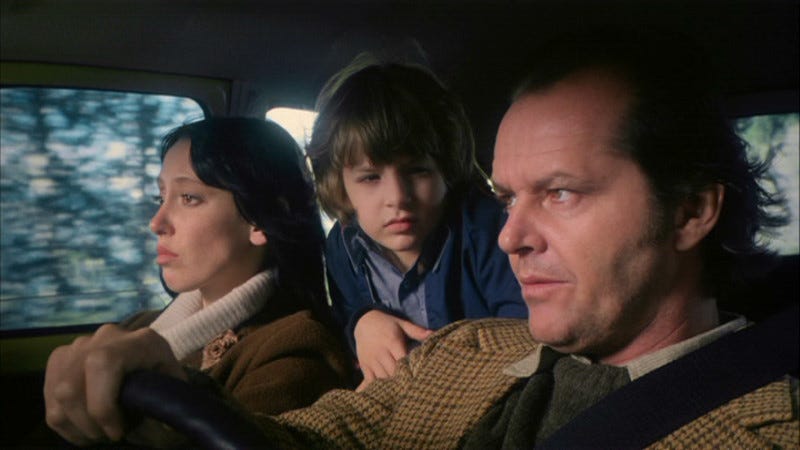
Village East’s Heeere’s Kubrick! Series (Opening Date: 4.8) — This month, Village East will mount a four-week series dedicated to iconic director Stanley Kubrick. A la the theater’s annual fall festival, Hitchcocktober, a new film will screen every Wednesday, this time on 35mm. The line-up includes A Clockwork Orange (1971), Full Metal Jacket (1987), Barry Lyndon (1975), and The Shining (1980). Having only seen The Shining, I’m hoping to use this opportunity for a deeper dive into Kubrick’s filmography. You can book tickets here!

Albertine: The Fifth Annual U.S. Goncourt Prize Selection Ceremony (Date: 4.11) — Spend your Saturday afternoon at Villa Albertine and discover the winner of the U.S. Goncourt Prize! Now in its fifth year, the award serves as the U.S. iteration of France’s most prominent literary prize. This year’s shortlist includes Nathacha Appanah’s La nuit au cœur by (2025), Emmanuel Carrère Kolkhoze (2025), Caroline Lamarche’s Le Bel Obscur (2025), and Laurent Mauvignier’s La maison vide (2025).
Per the site: “Established for the first time in 1998 in Poland and now in 40 countries, the International Goncourt Selection is a global literary barometer to gauge how the Goncourt Prize’s shortlisted titles resonate with young audiences from around the world. The [U.S.] selection additionally serves a dual purpose of promoting French and Francophone contemporary literary works in their original language and encouraging the translation and publication of selected titles in English.”
The process will play out live for audience members, as Villa Albertine welcomes student jurors from 11 universities — including Harvard, Princeton, Yale, Columbia, UVA, USC, and more — who studied the four shortlisted books. The group will debate and decide on a winner, with a cocktail reception to follow.
You can check out additional details and RSVP for free here.
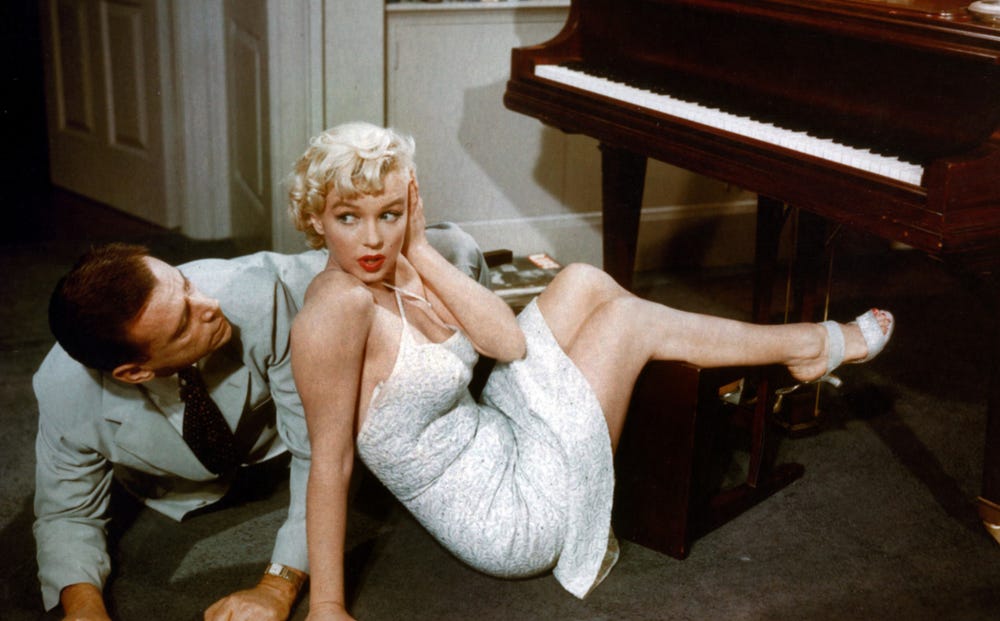
Museum of the Moving Image’s Marilyn Monroe in New York Series (Dates: 4.11-4.12) — Celebrations around Marilyn Monroe’s centennial continue! This two-day festival includes a selection of three films set in New York: Don’t Bother to Knock (1952), How to Marry a Millionaire (1953), and, my personal favorite pick, The Seven-Year Itch (1955).
The Seven-Year Itch, to me, marks Marilyn’s comedic peak, perhaps a tie with Some Like It Hot (1959). She stars as a model and actress who sublets an un-air conditioned apartment at the height of a New York summer. Seeking relief from the heat, her unnamed character — credited as “The Girl” — befriends the publishing executive downstairs, Richard Sherman (played by Tom Ewell). For her, his marital status signals the possibility of a platonic friend (“A married man, air conditioning, champagne, and potato chips. This is a wonderful party!”). Richard, however, has other ideas.
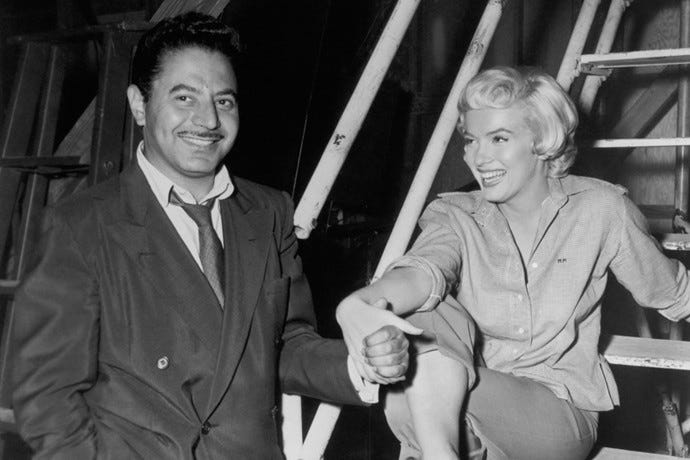
This particular screening will include a Q&A between film scholar Imogen Sara Smith and archivist Melissa Stevens, whose grandfather, Sam Shaw, photographed the starlet on set and over the course of her career. Per the Museum of the Moving Image’s website: “ACC Art Books has published the beautiful volume Dear Marilyn: The Unseen Letters and Photographs by Sam Shaw (2025). Through Shaw’s words and photographs, Dear Marilyn offers newly discovered correspondence and never-before-seen, digitally remastered photographs from the original 1940s–1960s archival material, from behind the scenes of The Seven Year Itch to candid images of her on the streets of New York City and in love at the beach in Amagansett.”
You can see showtimes and book tickets here!
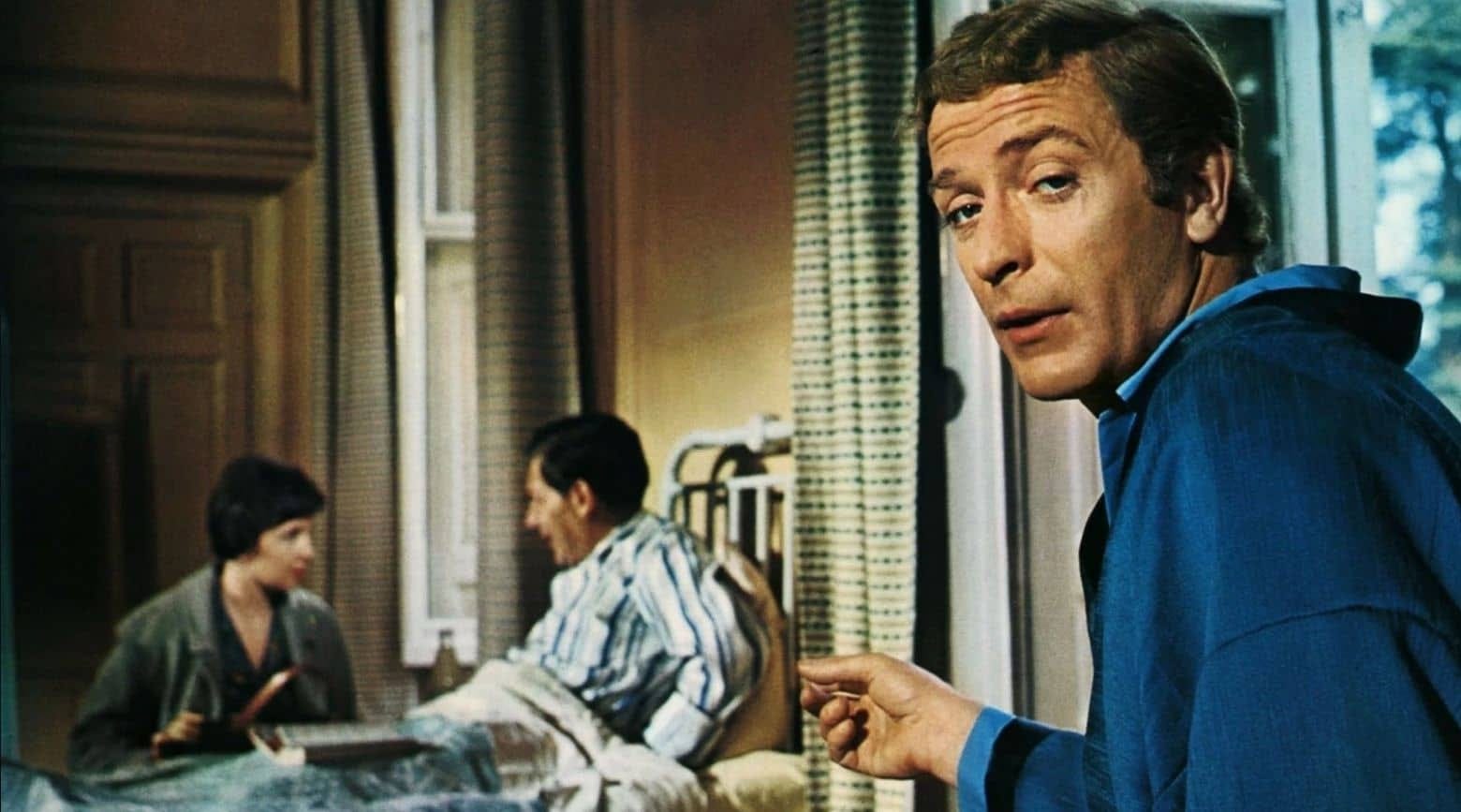
The Academy Museum: Alfie (1966) (Date: 4.12) — See the film that catapulted Michael Caine to his first Best Actor nomination in 35mm! A wry dramedy with frequent fourth wall breaks, Alfie (1966) stars Caine as the eponymous chauffeur who womanizes his way through London at the height of the Swinging Sixties. In his original 1966 review for The Hollywood Reporter, James Powers lauds: “Caine…moves into the select class of top international stars. His low-key style, his immobile face, his deliberately flat voice, all seem to work against the role of invincible bird hunter…It is Caine’s success that he uses all these negatives to create a positive, a screen personality of compelling interest and impact.”
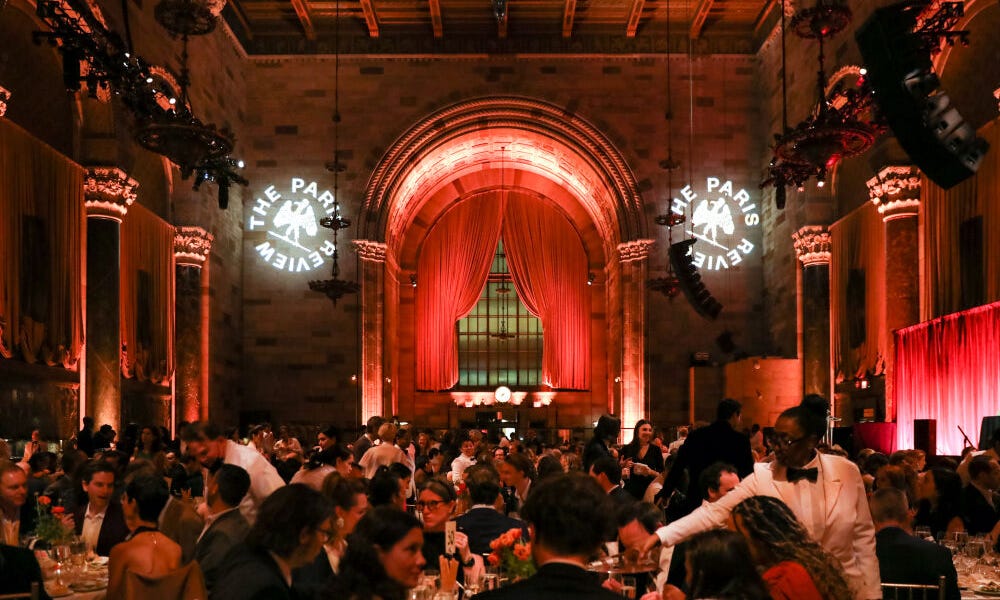
Metrograph: The Paris Review’s Spring Revel After Party (Date: 4.14) — Every April, The Paris Review hosts its annual Spring Revel. Held at Cipriani 42nd Street, this year’s fundraiser will honor Pulitzer winner Edward P. Jones as the latest Hadada Award winner. He joins the ranks of icons including Joan Didion, Paula Fox, and Norman Mailer, among other writers. Meanwhile, Bud Smith and Renny Gong will receive The Susannah Hunnewell Prize and The George Plimpton Prize for Fiction, respectively, with comedy icons John Early and Wallace Shawn serving as Masters of Ceremonies. Ticket prices begin at an out-of-budget $1200, but Metrograph hosts an after party starting at 11:00 PM. I am unsure how easy it is to get into, but worth a try if you’re out and about on the Lower East Side that night!
NYPL’s World Literature and Arts Festival (Dates: 4.15-4.30) — April marks the World Literature and Arts Festival at the New York Public Library (NYPL)! It kicks off in tandem with the city’s Immigrant Heritage Week and, per the site, “brings together trailblazers across disciplines to celebrate storytelling — through books, performances, culinary traditions, and beyond — while shining a spotlight on NYC’s diverse and vibrant communities.” You can check out details here.
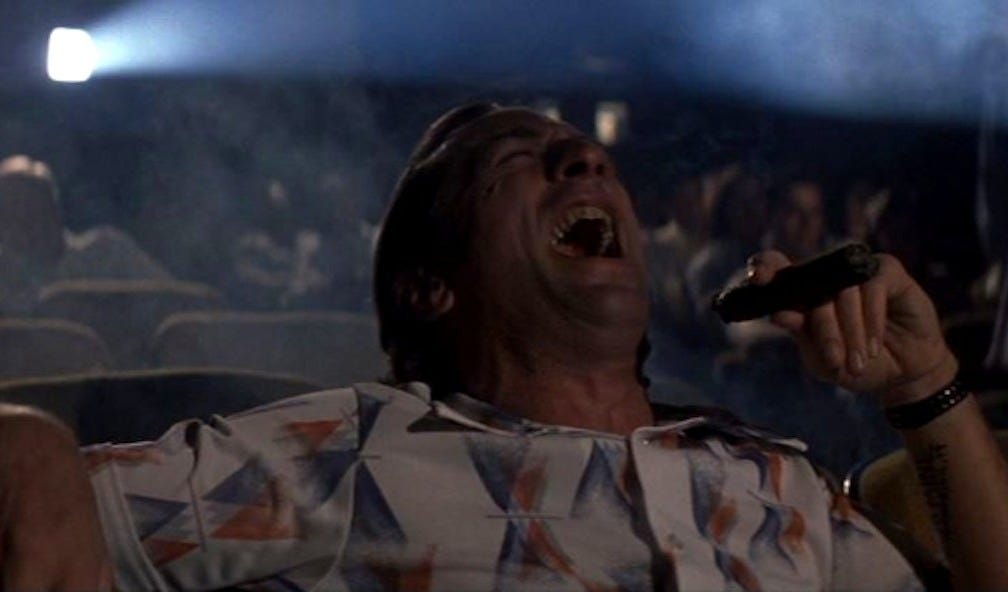
Vista Hollywood: Cape Fear (1991) (Dates: 4.17-4.18) — For its late-night show the weekend of 4.17, The Vista will screen Martin Scorsese’s Cape Fear (1991)! This remake of the 1962 original stars Robert De Niro as Max Cady, a criminal who stalks one of the core witnesses in his case upon release. You can check out full thoughts on the film, as well as the 1962 version, here!

Brooklyn Bookstore Crawl (Dates: 4.18-4.25) — Spend the week leading up to Independent Bookstore Day (more on that in a minute) scoping out some of the best shops in Brooklyn!
Pick up a “passport” from one of the 34 participants across five zones as early as 4.18, then stop by as many of those indies as possible. You’ll get a stamp or signature at each one, earning 25% off any one purchase in a particular zone once you finish all the stores inside of it.
Then, if you wish, you can move onto the remaining four zones! Anyone who visits all 34 stops will win a grand prize by emailing a completed passport picture to brooklynbookstorecrawl@gmail.com.

The Center for Fiction: Denis Johnson’s Train Dreams (2002) with August Thompson (Date: 4.23) — Join Anyone’s Ghost (2024) author August Thompson for a discussion of Train Dreams (2011), Denis Johnson’s novella that The Paris Review initially published in parts over the course of 2002. Like Clint Bentley’s Oscar-nominated film adaptation, it follows the life of railroad worker and logger Robert Grainier — a man who relishes in “the grand size of things in the woods, the feeling of being lost and far away, and the sense he had that with so many trees as wardens, no danger could find him” — from an omniscient third-person perspective.
You can register here! You can reserve your spot with a hard copy or read the text here courtesy of The Paris Review.
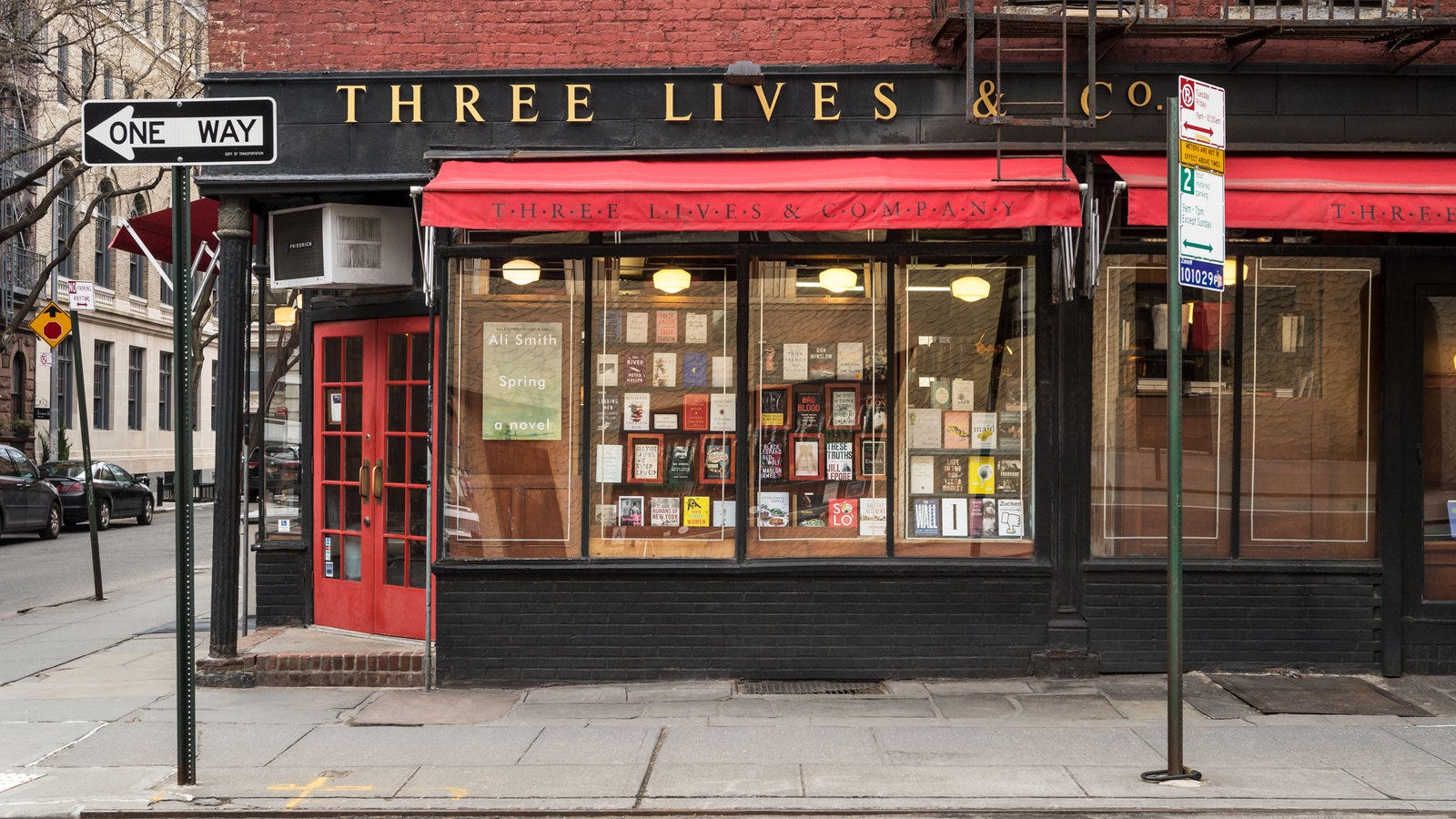
Independent Bookstore Day (Date: 4.25) — Stop into your favorite local, independent bookstore on this particular Saturday! Most shops have special promotions and treats no matter where you’re based.
For New Yorkers, I recommend a visit to Three Lives & Company in the West Village, which typically has tasty homemade treats and special bookmarks. The Brooklyn Bookstore Crawl also continues through this day, culminating in the annual afterparty at The Center for Fiction; bring your “passport” for admission and arrive by 5:00 PM for the chance to enter a raffle!

The Paris Theater’s Academy Museum Branch Selects Series (Timing: Ongoing in April) — For the past three years, The Paris Theater and The Academy Museum partnered to present this annual festival, its programming featuring picks from all 19 branches of the Academy of Motion Picture Arts and Sciences. Per the site, it “offers audiences a one-of-a-kind journey through film history, with each Academy branch selecting a film that represents a major achievement in the evolution of moviemaking and its unique disciplines.”
The April line-up includes Anatomy of a Murder (1951) for the Music Branch, Chinatown (1974) for the Production Design Branch, Eraserhead (1977) in 35mm for the Sound Branch, Taxi Driver (1976) for the Costume Designers Branch, Eternal Sunshine of the Spotless Mind (2004) in 35mm for the Cinematographers Branch, and more, with the series continuing into June.
Miscellaneous Musings

Introducing Dirt Books — Entertainment and culture magazine Dirt has always held a literary sensibility, having previously published everything from short fiction to book reviews to craft analyses (see: “Conspicuously Absent,” a personal-favorite piece on the absence of money in contemporary fiction that I discuss in the June 2024 newsletter). Now, the media company has announced the launch of its first-ever imprint: Dirt Books.
According to Literary Hub, the new house will “shake up the old publishing playbook by exploding notions of genre and form, and celebrating the subcultures driving artistic innovation…Starting this year, Dirt Books will publish at least two titles per annum, with a focus on strong voices and unique perspectives.” The first two acquisitions include writer musician, and visual artist Lauren Napier’s Tattooed, Pierced & Fucked-Up: A Scene Memoir 2004–2008 (2026) — an assemblage of diary entries, photos, and interviews designed to distill the aughts pop punk scene — and Geoffrey Mak’s Total Depravity (2026) — a debut novel framed as Gillian Flynn meets Donna Tartt that “follows a young trans woman as she falls in with a shadowy cast of nightlife characters who partake in strange rituals.” Watch this space!

Haruki Murakami and…Harry Styles? — Japanese novelist Haruki Murakami and British pop sensation Harry Styles, an unlikely intergenerational pairing, recently chatted about how running nourishes their creative lives for Runner’s World. Murakami has long credited the sport as a key source of creative stamina, part of the physical engine that keeps his mental acuity channeled toward the page (“When I was in my teens, musicians died so young. Jim Morrison, Jimi Hendrix. I think they couldn’t wait — live fast, die young. But that is not a thing that I wanted.”). He discusses this notion in two non-fiction works: What I Talk About When I Talk About Running (2007) and Novelist as a Vocation (2015). Having read the former, Styles lauds the author as a personal hero, underscoring how the notion of an entwined creativity and physicality freed him from the archetype of the tortured artist (“Your point is that being healthy makes you able to be an artist for a long time, that you can be a structured, healthy person and make great work. So I have a lot of gratitude to you for that.”).
One of the most compelling exchanges, to me, centers on movement as not only a source of stamina, but also a creative incubator. Styles explains: “Personally, I’ve found the hypnotic, meditative aspect of music to have a lot of synergy with the meditative aspect of running. When I’m running is when I have…time to think a lot about what I’m making.” Meanwhile, Murakami experiences the act as vacuity shaped by a more subtle infiltration of thought (“When I’m running, I’m just running. I don’t think much. I listen to music mostly. When I come back to sit in front of the desk I begin thinking, but when I’m running, I’m kind of empty. Something comes into me, but I don’t notice it. To be empty is one of my purposes with running. I feel that training your body is the way to create the perfect vessel, building a foundation for the ideas to come into.”). (This portion personally resonated with me; while you will simply never catch me running, my formative fiction revelations often emerge from an emptied out brain during a walk or workout class.)
Not an AI Novel, Smh — ICYMI: UK-based writer Mia Ballard had her novel, Shy Girl (2026), pulled for suspected (read as: nearly definitive) AI use. Good! Here’s the thing. Ballard claims that a friend proofed a draft of her novel and dropped in suggestions to make it more “literary” (heavy on the air quotes), inserting ChatGPT-generated alternate language. I…have a lot of questions here. First off, not a single sentence in the excerpts I’ve seen falls under the umbrella of “literary” (“The bows on my pigtails pull too tight, yanking the skin and stretching my head into something neat, into something pleasing, a quiet violence made beautiful.” Jfc.). Secondly, who takes edits from a so-called friend wholesale like that? What happened to discernment! To taste!
While Reddit rabbit holing (likely thing for me to do), I found this thread, which points out Ballard’s seemingly AI-generated responses to an earlier author interview. Interesting! It also includes several astute observations around how to actually identify AI writing. Non-writers tend to cling to details, from the implementation of em-dashes to the avoidance of “be” verbs (a best practice I personally learned in middle school English) to a laundry list of certain LLM-prone words. Many Redditors in this thread — writers, English teachers, and editors — advocate for a necessary look at structure over specifics.
LLMs implement em-dashes in very particular ways, often stringing together two short sentences in place of a period or semicolon. As one user points out: “I cannot stress this enough, the phrasing: ‘This wasn’t just victory — it was hope.’ is usually AI. It isn’t so much the use of em-dashes that people have popularly clung to, but the phrasing. I think a lot of authors use em-dashes incorrectly, mostly because they want to indicate a sudden separation, or ‘slashing’ of their thought-process.” Writers also tend to cling to certain ticks; for instance, think of Bret Easton Ellis describing a set list’s worth of songs over the course of his novels. An LLM can mimic stylistic flourishes if prompted, but those kinds of descriptive signatures — sometimes good, sometimes bad — tend to steep into a writer’s subconscious rather than stem from overt intent.
Anyway! Consider these musings a call to look at the full picture rather than a few select words or punctuation choices when screening for AI writing.

A Bretaissance? — So, the last I heard, Bret Easton Ellis went through the process of adapting his latest (and best IMO) book, The Shards (2023), into a television program for HBO before the project stalled. Ripe material for a televised teen thriller, the novel follows a group of LA private school students stalked by a serial killer called The Trawler. Set over the fall of 1981, it encapsulates the long-gone local and cultural landscapes of Ellis’ teen years through the nostalgia-laced first-person lens of his older self.
I thought the project died and stopped paying attention, but apparently it got picked up by Ryan Murphy for FX, with filming recently wrapping? It stars a slate of newcomers, plus Kaia Gerber as Susan, the disaffected best friend of fictional teenage Bret. One newcomer? Homer Gere — the son of 80s icon and Ellis’s longtime celebrity crush, Richard Gere — as Robert Mallory. Consider me intrigued but skeptical (@ Ryan Murphy)!
While The Shards’s TV adaptation goes through post-production, check out Alexander Sorondo’s very thoughtful profile on the full trajectory of Bret’s career for The Metropolitan Review.

Lou Reed Poems to Read to Your Lover — To commemorate the late Lou Reed’s birthday last month, Dream Baby Press published a string of song lyrics from and beyond his time with The Velvet Underground. Reed held literary aspirations and positioned his lyrics as poetry, able to stand on their own without music; this particular post celebrates that notion.
Supplemental Reading
As always, don’t forget to use archive.ph if you can’t access these pieces or any of the ones throughout my Substack!
Fiction:
Harper’s BAZAAR: Ottessa Moshfegh Wants to Write an Ending That Messes With You
Screen Splits: The Enigma of Rona Jaffe
Delivery & Acceptance: There’s No Substitute For Reading: A Roundtable With Four Literary Magazine Editors
The Paris Review: Announcing the 2026 George Plimpton and Susannah Hunnewell Prizewinners
Film:
New York Times: Angelika Saleh, the Angelika of Angelika Film Center, Dies at 90
Vanity Fair: An Oral History of the Vanity Fair Oscar Party
Harper’s BAZAAR: Chase Infiniti Wears the Ultimate Ruffled Dress at the 2026 Oscars
Vogue: Elle Fanning Used Fashion to Honor Her Childhood Home at the 2026 Oscars
Social Media Round-Up
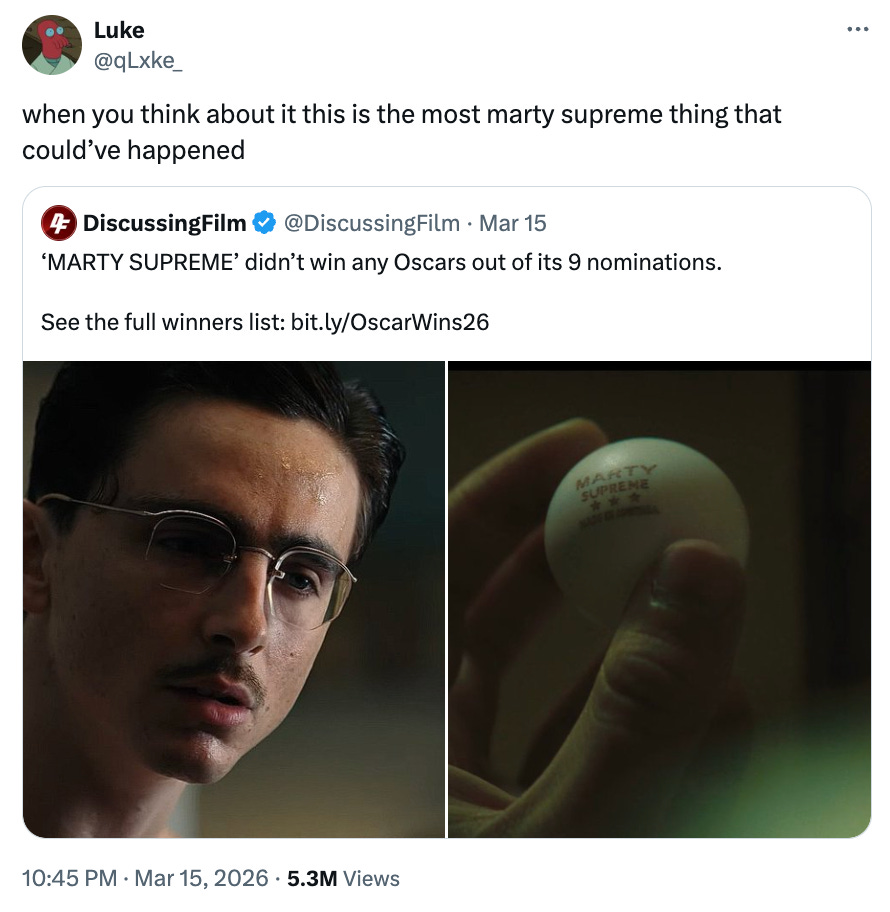
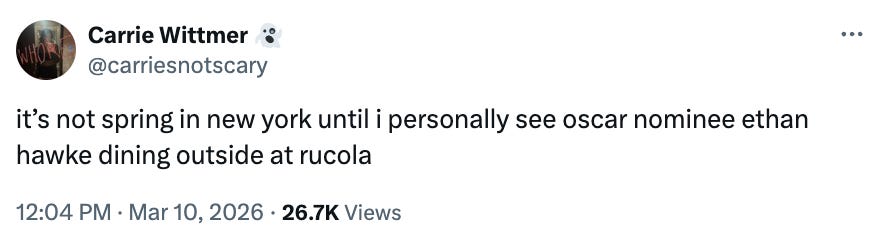
A section aggregating tweets, TikToks, Notes, etc. that made me smile or laugh in the past month:

 Tiktok failed to load.
Enable 3rd party cookies or use another browser
Cocktail of the Month

Channel the 20th century American workplace of this month’s novel picks with the…
Gibson —
A favorite of the fictional Roger Sterling on Mad Men (2007-2015), this savory martini variation calls for two and a half ounces of Beefeater gin and half an ounce of dry vermouth. Stir both ingredients together in a mixing glass with ice, then strain into a chilled cocktail glass. Top with a cocktail onion, and enjoy!
That’s all for now!
xo,
Najet
What a comprehensive roundup! Saw that I was tagged here, came to say thanks for the shoutout, ended up perusing quite a bit...
This social media section is sending me 🤣😭