


Valentine’s Day Szn™! As per usual, January felt so unbearably long that I have amassed a lot to say.
Let’s get into it:
February Book Selections
The debut of Emerald Fennell’s much-discussed “Wuthering Heights” (2026) falls this month, which means we’re reading “love stories,” emphasis on the quotation marks.
Recommendations for the month ahead include:
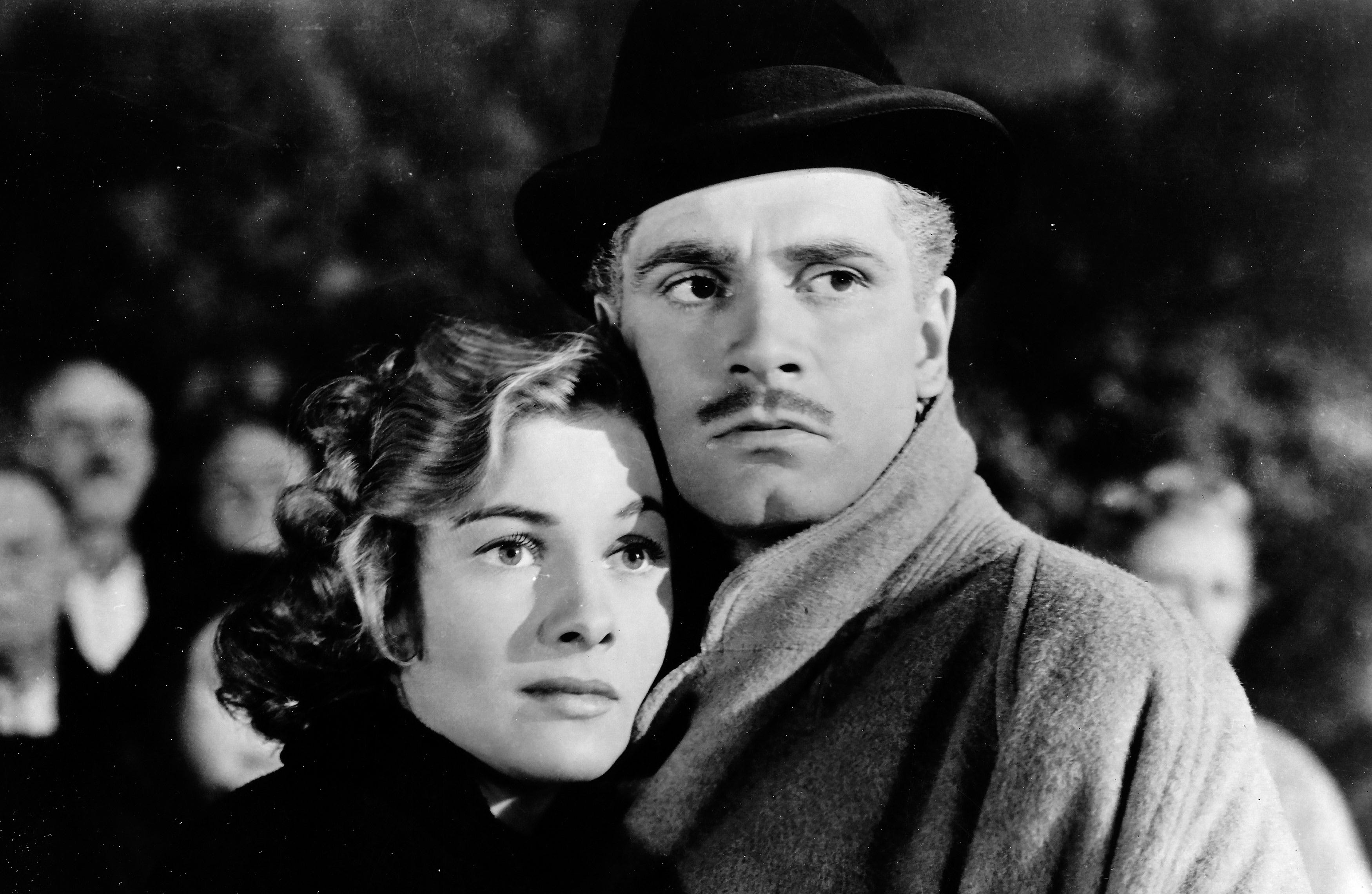
Rebecca by Daphne du Maurier (1938) — My new favorite Gothic novel! As I write in the forthcoming January Book Review:
The psychological thriller famously opens with a dream, a memory, recounted by an unnamed narrator who has “come through…crisis, not unscathed, of course.” She recalls an abandoned country estate, “a jewel in the hollow of a hand,” “an empty shell” left to linger in her mind. She describes: “Last night I dreamt I went to Manderley again…There was a padlock and a chain upon the gate. I called in my dream to the lodge-keeper, and had no answer, and peering closer through the rusted spokes of the gate I saw that the lodge was uninhabited.” The story then loops backward as its narrator’s identity — or lack thereof — crystallizes. A woman in her early twenties, she travels alongside the acrid, older Mrs. Van Hopper — whose “sharp and staccato” voice “cut[s] the air like a saw” — as a lady’s companion. In Monte Carlo, the narrator meets and falls for mysterious widower Maxim de Winter. They marry and return to his famed home, Manderley; upon arrival, the enduring chokehold of the prior Mrs. de Winter, the novel’s namesake, emerges.
Rebecca (1938) prefigures the structure that forms contemporary favorites from The Shards (2023) to Playworld (2025) to Good Girl (2025). Much like Bret Easton Ellis’s Bret, Adam Ross’s Griffin, and Aria Aber’s Nila, the second Mrs. de Winter embodies adolescent naivety (“‘Put a ribbon round your hair and be Alice-in-Wonderland,’ said Maxim lightly; ‘you look like it now, with your finger in your mouth.’”). All four novels trace its slow incineration, recounted by an older iteration of its primary character…This structure serves the simultaneous purpose of cultivating suspense. Every few pages, Mrs. de Winter hints at forthcoming fractures (“When I look back at my first party at Manderley, my first and my last, I can remember little isolated things standing alone out of the vast blank canvas of the evening.”). Paranoia plagues her, perception morphing into an immovable imagined reality. She remains nameless from start to finish, her husband’s surname serving as her sole identifier. This choice from author Daphne du Maurier imbues the narrator with an amorphous sense of self that bleeds into Maxim’s identity and blurs under Rebecca’s legacy.

Gentlemen Prefer Blondes by Anita Loos (1925) — The ultimate “for the girlies” novel, a “love story” that emphasizes diamonds and female friendship as forever. Lauded by Edith Wharton as “the Great American Novel,” Gentlemen Prefer Blondes (1925) encapsulates flapper culture at the pinnacle of Prohibition. It adopts an epistolary form, consisting of diary entries from single New Yorker Lorelei Lee as she travels abroad with her best friend and hard-boiled foil, Dorothy Shaw, with the objective of “getting educated.” As the pair pops champagne at every Ritz-Carlton from New York to London to Paris to “the Central of Europe” and back again, Lorelei — described by Happy Hour (2020) author Marlowe Granados as “an archetypal faux-naïf…[who] uses her perceived naïveté to get the better of the gentlemen around her” — chronicles their schemes and adventures.
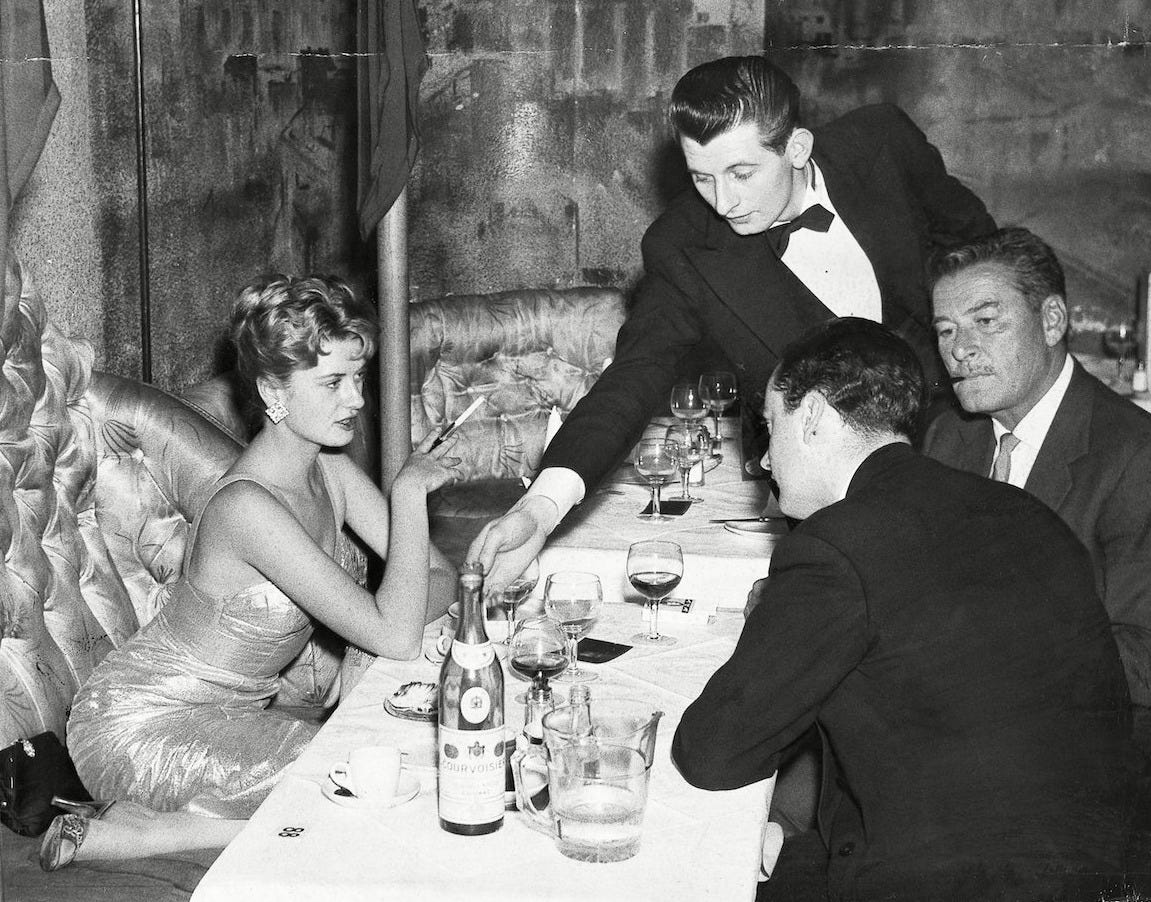
The Big Love by Mrs. Florence Aadland (1961) — This engrossing, completely batshit biography details the predatory relationship between washed-up actor Errol Flynn and underage performer Beverly Aadland from the perspective of her fame-hound of a mother. Publisher Spurl Editions rightly describes it as a “bizarre, seedy time capsule of the 1950s,” explaining:
There is nothing subtle or sympathetic about this memoir: It is outrageous, grotesque, surreal, notorious — an intimate look at Hollywood exploitation and decay. On the one hand, The Big Love (1961) depicts the deterioration of Errol Flynn, an actor who is quickly losing relevance after years of playing irresistible swashbucklers in films such as Captain Blood (1935) and The Adventures of Robin Hood (1938). He is riddled with medical problems, drinking himself to death. On the other hand, there is Mrs. Florence Aadland, also an alcoholic, an uncultured stage mother psychotically pushing her daughter Beverly forward even at the cost of her own marriage.
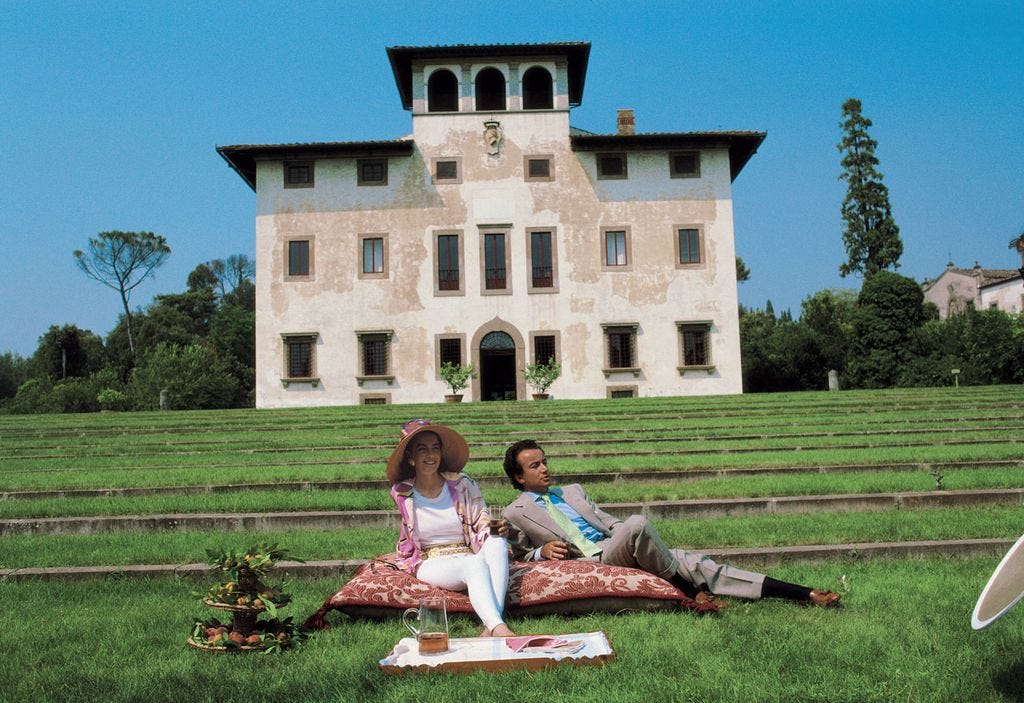
Love Life of a Cheltenham Lady by Dinah Brooke (1971) — A well-written Eat Pray Love (2006) for Lana del Rey fans, Love Life of a Cheltenham Lady (1971) upends the archetypal narrative of a woman searching for enlightenment in Italy. As I write in the December Book Review, “this deliciously dark novel…slips into the headspace of Miranda, a young British mother married to an American actor named Louis, from a third-person vantage point (“Her profile was totally inexpressive; not exactly inexpressive, but still to him, after more than a year of marriage, impenetrable.”). The couple rents a cold, dark Italian villa alongside their infant (“If they ate in the dining room, it was difficult to distinguish between the sugar and grated parmesan, and if they ate outside wasps homed in on every mouthful.”). When Louis gets called away to a shoot, Oreste, his acquaintance from a nearby town, arrives at the villa and pulls Miranda into the undertow of sexual awakening, followed by perpetual paranoia.”
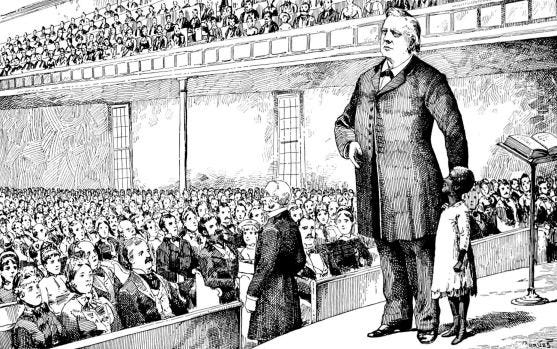
Free Love: The Story of a Great American Scandal by Robert Shaplen (1954) — A la Truman Capote’s In Cold Blood (1966), Free Love: The Story of a Great American Scandal (1954) first published as a series of articles for The New Yorker. Journalist Robert Shaplen examined over 3,000 pages of court transcripts, love letters, and newspaper reports to reconstruct the tale of a church scandal that shook 1870 Brooklyn: prominent housewife Elizabeth Tilton confessing to an affair with pastor Henry Ward Beecher — founder of the most fashionable church in Brooklyn Heights, a presidential hopeful, and an influential supporter of Abolition and the campaign for women’s suffrage. As I write in the August 2024 Book Review, “Shaplen distills a recognizable flavor of what Publishers Weekly calls an ‘American media frenzy…a vision of sweaty, prurient absurdity’ that feels both of its era and timeless.”
Upcoming Content to Consume
Between special Valentine’s Day screenings and the Academy Awards lead-up, February’s looking more film than fiction heavy!
If you’re looking for a comprehensive guide to community-driven literary events in and around New York, London, and LA, don’t forget to subscribe to Scremes Report for a week-by-week breakdown. A couple standouts in the coming weeks include the latest iteration of STAGE BREAK, which I wrote about back in August, and Limousine and Angel Food Magazine’s Readings on Love, a portion of proceeds going toward the Immigrant Defense Project, at Rodeo.
Before we get into IRL screening opportunities, The Criterion Channel has a few stellar collections to check out this month, from Celebrate Black History to Yearning to Gangsters, Gold Diggers, and Grifters: Mervyn LeRoy’s Pre-Code Films. Plus, you can stream Wuthering Heights’s 1933 and 2011 adaptations, respectively, before the ~controversial~ new Emerald Fennell version hits theaters.
Now, here’s what’s happening live:
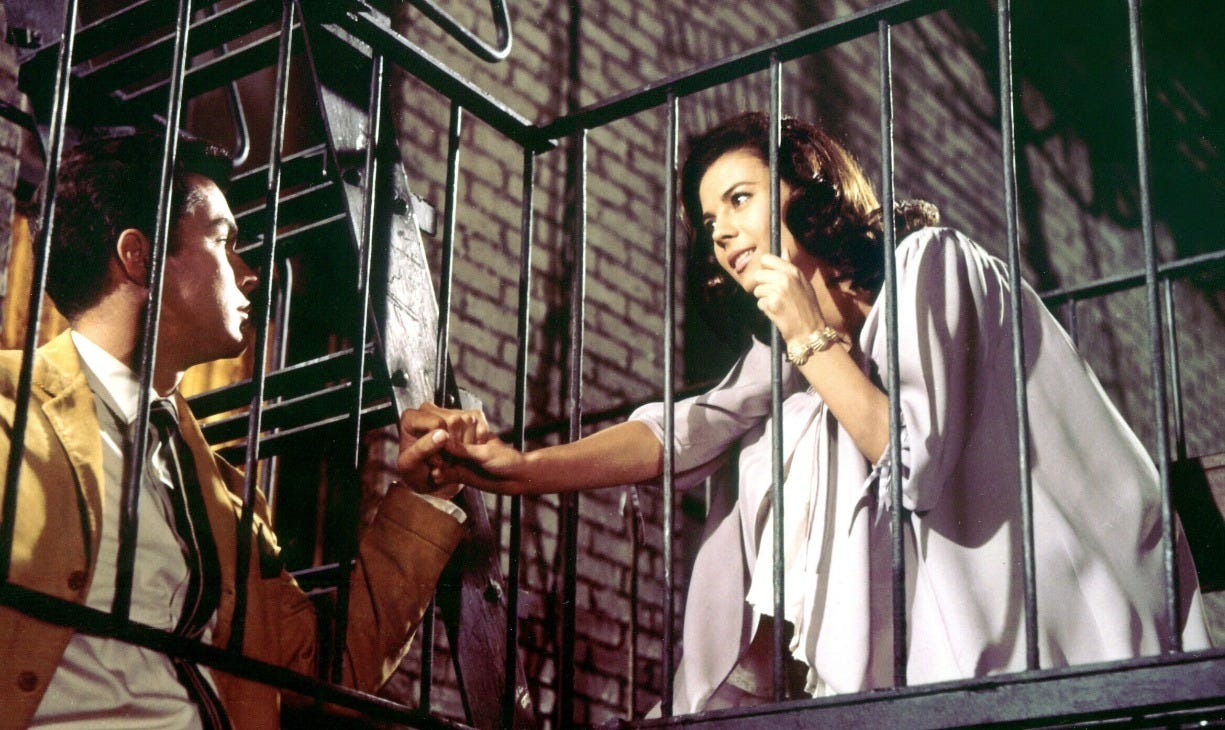
Film Forum’s Tenement Stories: From Immigrants to Bohemians Series (Opening Date: 2.6) — This upcoming festival celebrates films set in New York’s tenement districts, from Brooklyn to the Bronx to, of course, the Lower East Side. Spanning over a century of cinema and presented in partnership with The Tenement Museum, it includes over 50 movies from the likes of Francis Ford Coppola, Martin Scorsese, Charlie Chaplin, Hal Ashby, Elia Kazan, John Huston, William Wyler, and Sean Baker, among others.
Ample guest speakers will appear, with fourteen of the silent films in the series featuring live piano accompaniment. Plus, per Film Forum: “Valentine’s Day will be celebrated with love stories set in tenement neighborhoods: the romantic comedies Rafter Romance (1933), starring Ginger Rogers; Raoul Walsh’s Me and My Gal (1942), starring Spencer Tracy and Joan Bennett, followed by a special presentation by Bruce Goldstein, originally created for the TCM Classic Film Festival in Hollywood; Buster Keaton’s The Cameraman (1928); and Preston Sturges’s Christmas in July (1940) — with the day topped off by the original, multi-Oscar-winning 1961 version of the Leonard Bernstein/Jerome Robbins musical West Side Story (1961).”
You can check out the full line-up for and beyond Valentine’s Day here!

Vista Hollywood: Before Sunrise (1995) (Dates: 2.6-2.7) — Head to The Vista for a midnight screening of Before Sunrise (1995) next weekend! The Richard Linklater cult classic stars Ethan Hawke as Texan tourist Jesse and Julie Delpy as French Sorbonne student Céline, a pair of strangers who meet on a Eurail train barreling away from Budapest. The duo disembarks together in Vienna, spending the evening wandering through the city before Jesse’s flight back to the United States.
As I write in the June 2024 Movie Review: “Before Sunrise captures youth and transience in equal measure. The entire film more or less consists of an ongoing conversation between Jesse and Céline, meandering through topics ranging from gender to purpose to religion…Their philosophical openness, to me, reflects a kind of curiosity about life, about the future, that tends to wane with age, that becomes shackled to, then buried by, reality and responsibility; it belongs to a moment that, inevitably, will calcify.”
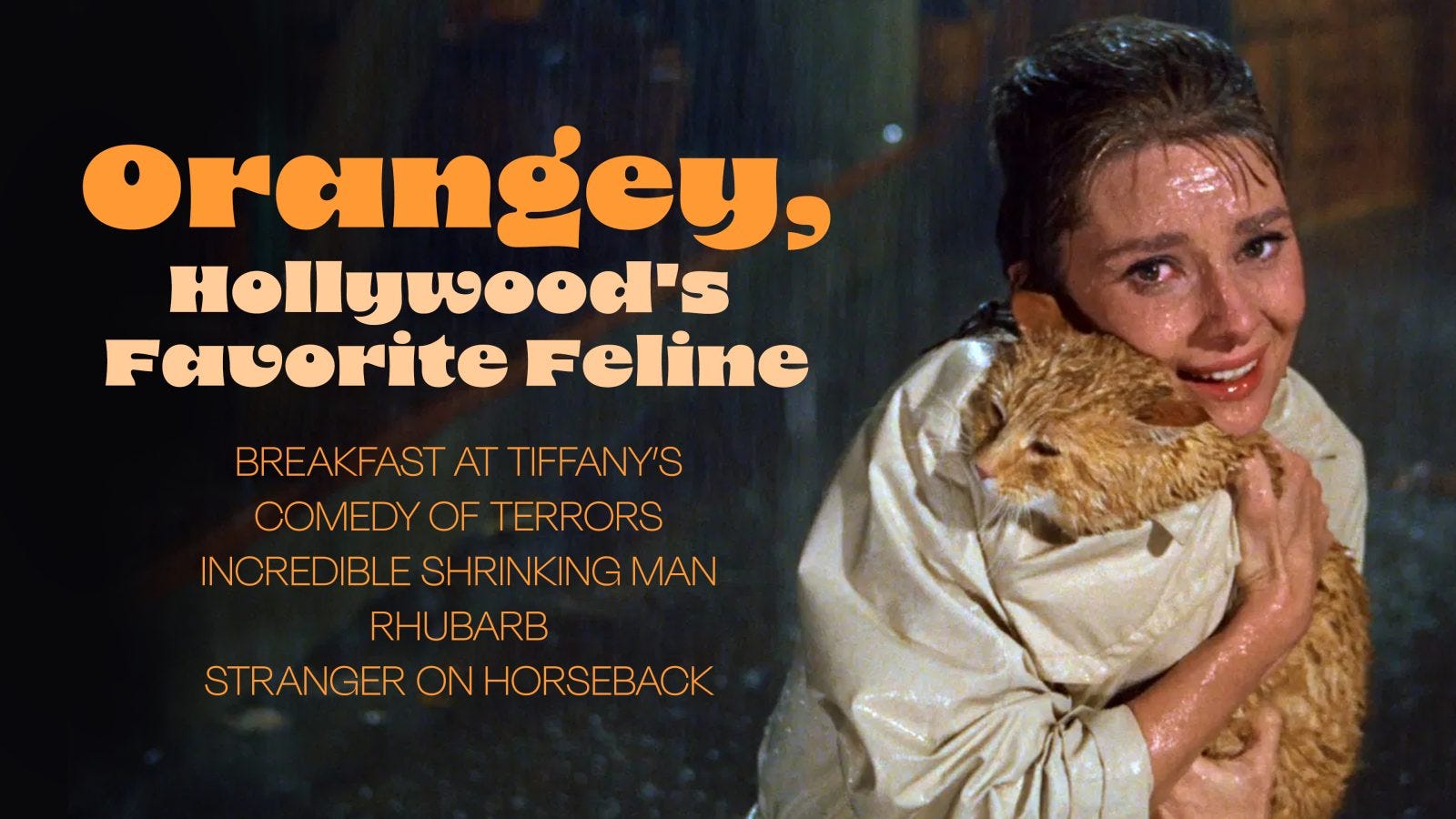
Metrograph’s Orangey, Hollywood’s Favorite Feline Series (Opening Date: 2.7) — A screening series of great importance to me! Metrograph plans to mount a celebration of midcentury feline film star(s?) Orangey, who appeared in the likes of Rhubarb (1951), The Incredible Shrinking Man (1957), and Breakfast at Tiffany’s (1961), among other movies.
Per the site: “The feline has never enjoyed quite the same prestige on-screen as the endlessly tractable, hungry-for-approval dog — there has never been a calico Rin Tin Tin, nor a tortoiseshell Lassie. But there was Orangey, the shorthair marmalade tabby of movie animal wrangler Frank Inn, never exactly a household name, but to date the only cat to win two Picture Animal Top Star of the Year awards (PATSYs)…Was the phenomenon known as ‘Orangey’ in fact a composite of more than one animal’s performances? Inn has confessed as much, but this detracts nothing from the fact that there is only one Orangey, and, in this series, Metrograph celebrates and sings the praises of him…of them…whatever you prefer. Viva Orangey!”
You can check out showtimes here!
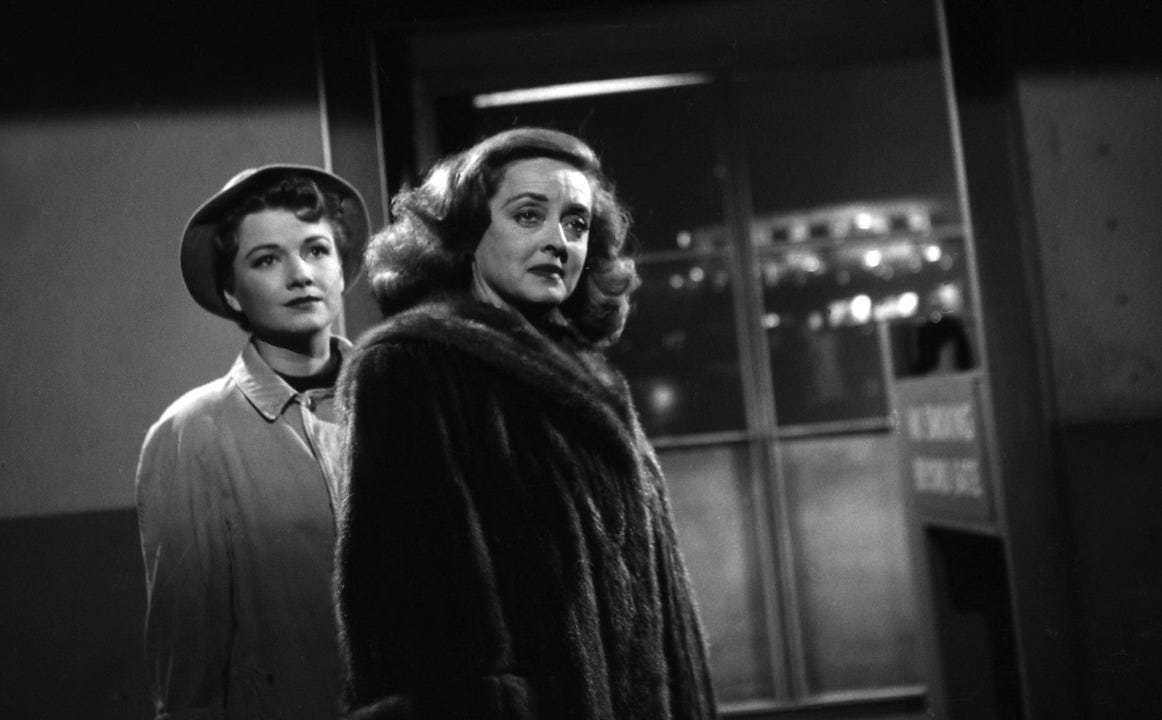
The Paris Theater: All About Eve (1950) (Date: 2.9) — This absolute masterpiece stars the incomparable Bette Davis as Broadway veteran Margo Channing, who makes the grave mistake of taking fan and aspiring actress Eve Harrington (played by Anne Baxter) under her wing. Eve presents as a naif before her true colors, a more sinister set of shades, emerge.
Roger Ebert, in a 2000 review, compares Davis with Gloria Swanson in Sunset Boulevard (1950). The films hold undeniable similarities, from cyclical narratives to established leading ladies. Ebert writes: “When you compare the performances by Davis and Swanson, you see different approaches to similar material. Both play great stars, now aging. Davis plays Margo Channing realistically, while Swanson plays Norma Desmond as a gothic waxwork. Sunset Boulevard seems like the better film today, maybe because it fits our age of irony, maybe because Billy Wilder was a better director than Joseph Mankiewicz. But Davis’ performance is stronger than Swanson’s, because it’s less mad and more touching.”
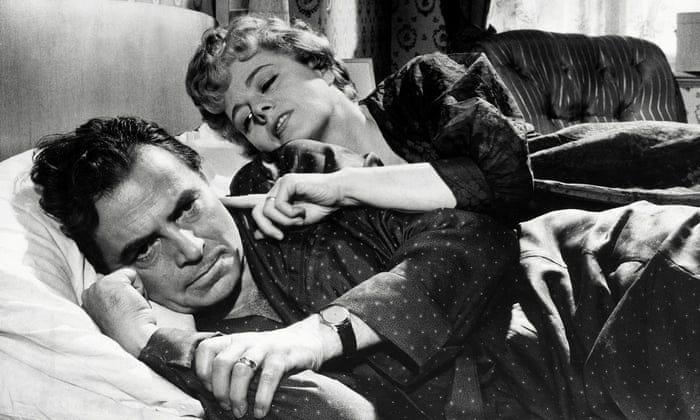
Metrograph: Lolita (1962) (Date: 2.13) — Stanley Kubrick’s Lolita (1962) screens at Metrograph this month as part of a series dedicated to the discomfort of awakening sexuality. As I write in the September Movie Review:
Directed by Stanley Kubrick with a script by Vladimir Nabokov, Lolita (1962) adapts the controversial eponymous novel for the big screen against the backdrop of early 1960s censorship…The film mimics…[the novel’s looping] narrative structure — with a few notable changes in content…Regardless, it distills the tone and tenor that distinguishes its source material. In the original text, Nabokov uses “alliteration and double entendres to create a simmering sense of unnerving sexuality,” as I write in the January 2024 newsletter. This same sense translates to Kubrick’s adaptation; every line contains multiple layers of meaning. For instance, Lolita’s mother, Charlotte Haze (played by Shelley Winters), says she “goes limp” every time Humbert touches her, to which he laments “know[ing] the feeling,” and Lolita summers at Camp Climax for Girls. These insertions edge the film into the realm of dark satire that shapes later Kubrick works like Dr. Strangelove (1964). Lolita’s actors, especially Winters and [Peter] Sellers, deal in high-caliber comedy, but each entrancing performance — in particular, those given by [James] Mason [as Humbert] and [Sue] Lyon [as Lolita] — remains earnest, grounding the film.
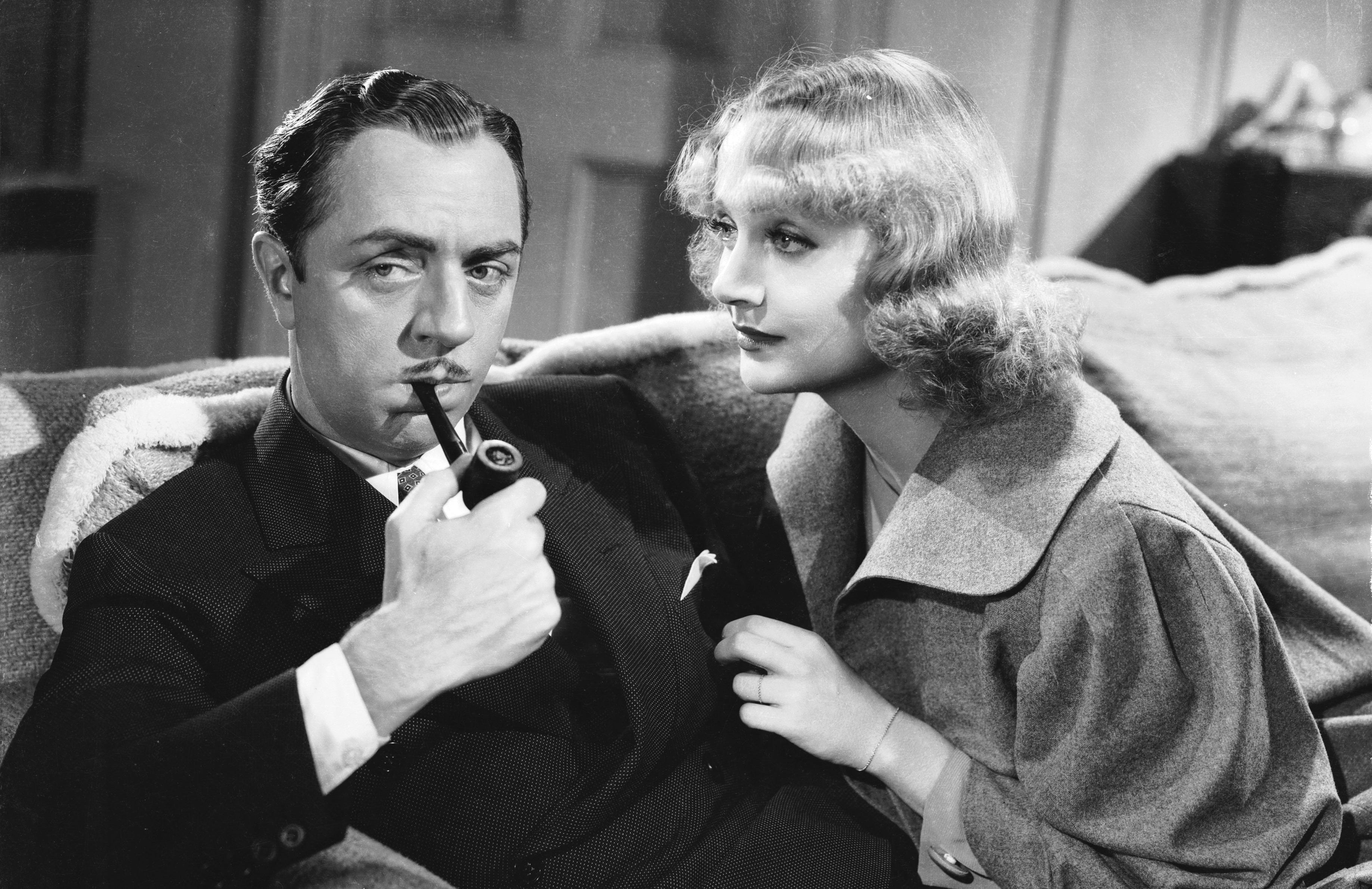
The Egyptian Theatre: American Cinematheque’s Nitrate Film Festival 2026 (Opening Date: 2.13) — This month, American Cinematheque will mount a series of rare Nitrate screenings — presented in partnership with the George Eastman Museum, MoMA, Filmarchiv Austria, the Library of Congress, and the UCLA Film and Television Archive — at The Egyptian.
So, what’s nitrate exactly? The primary property that people used to create 35mm film from the 1890s through the 1950s. Eventually, it got phased out because of its high flammability and, as you can imagine, storage complications, getting relegated to properly cooled archives across and beyond the country. As the British Film Institute describes: “Aesthetically, nitrate film was unparalleled in its time. Its luminosity and metallic lustre came perhaps from all that silver. It took colour well. From the earliest days, films were offered in hand-coloured, stencilled or tinted and toned prints with a jewel-like quality. Later ‘natural colour’ systems seem flat by comparison, like the difference between a printed picture and a stained glass window.”
American Cinematheque’s line-up includes My Man Godfrey (1936), Blithe Spirit (1945), and Samson and Delilah (1949), among others. You can check out the current showtimes here!
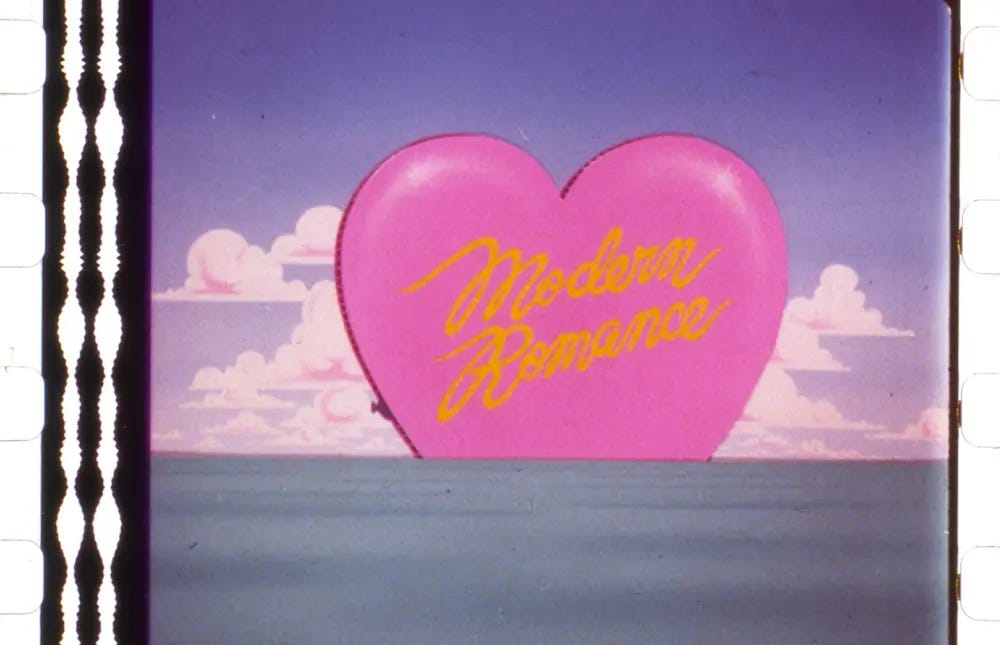
The Academy Museum: Retro Romantics: An Academy Film Archive Trailer Show in 35mm (Date: 2.14) — My Valentine’s Day pick for Angelenos! Presented entirely in 35mm, this 70-minute long program slices together romance-riddled film trailers pulled from the Academy Film Archive. Per the site: “This vintage compendium of coming attractions explores the agony and the ecstasy of art-house amour, from red-blooded lust and lovelorn lotharios to feverish melodramas and tortured obsessions. Presented entirely on 35mm film, these pre-show entertainments of the last several decades function as miniature films in their own right — many of which haven’t been seen since they originally screened in theaters.”
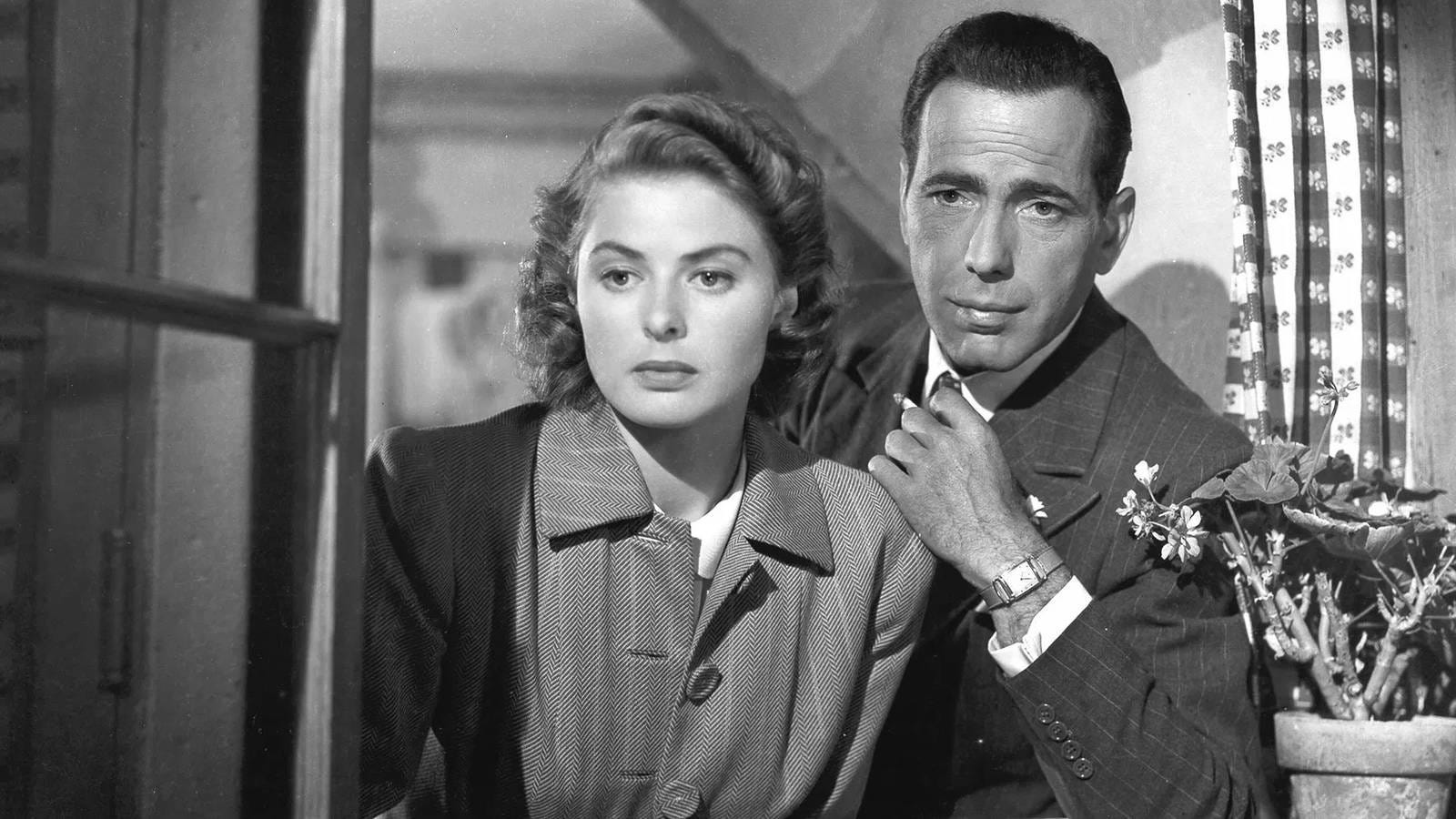
Village East: Casablanca (1942) (Date: 2.14) — My Valentine’s Day pick for New Yorkers! A perfect film screening on 35mm! For those of you unfamiliar, Casablanca (1942) centers on American expat Rick Blaine (played by Humphrey Bogart), who runs a Casablanca-based bar crawling with German and Vichy officials. He stays out of hot water, out of the mechanics of World War II as it rages through Europe and North Africa, through his professed neutrality. But when Rick’s ex, Ilsa Lund (played by Ingrid Bergman), walks into his club with her husband, Czech resistance leader and fugitive Victor Laszlo (played by Paul Henreid), that stance that gets shaken
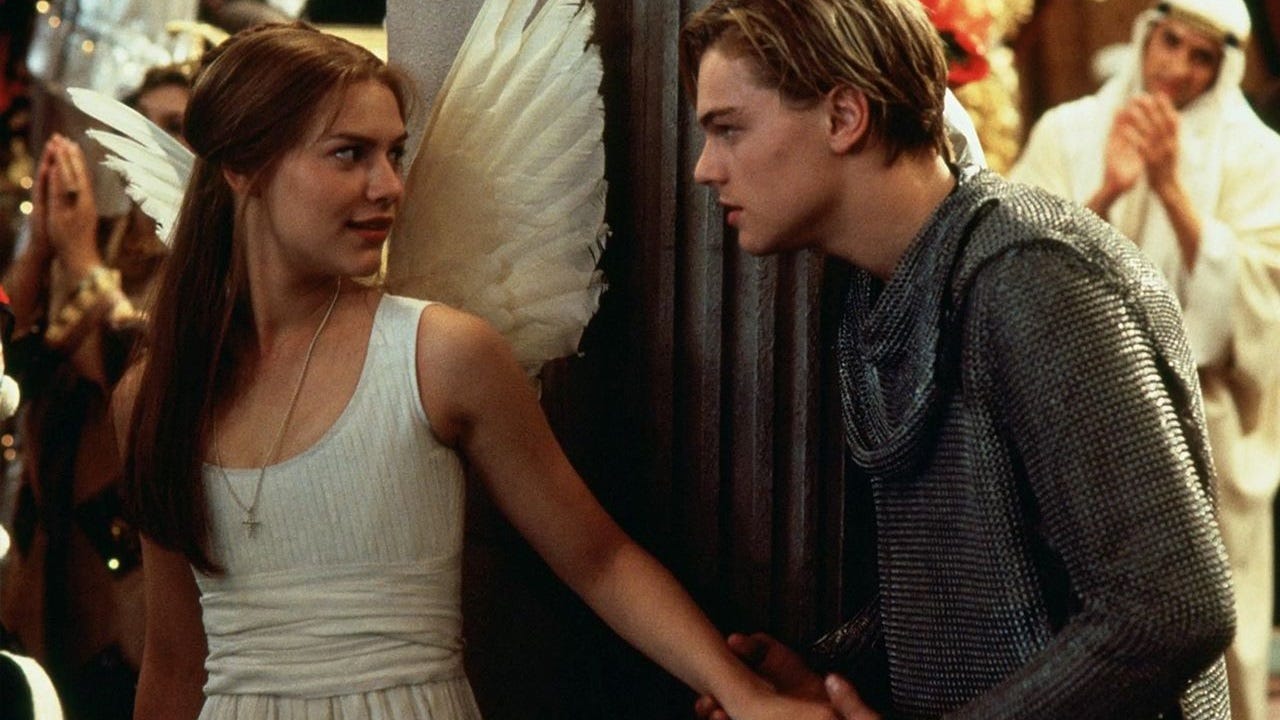
Syndicated BK: Romeo + Juliet (1996) (Dates: 2.14-2.15) — My (other) Valentine’s Day pick for New Yorkers! Catch Baz Luhrmann’s stylized adaptation of the Bard’s doomed romance at Bushwick’s best (and possibly only?) dine-in theater. Romeo + Juliet (1996) stars Leonardo DiCaprio and Claire Danes as the titular characters, reimagining fair Verona as Verona Beach. In 2021, critic Stephanie Zacharek revisited the maximalist mid-90s time capsule for its 25th anniversary, writing: “Luhrmann’s film is a dizzying assemblage of fast cutting and mad camera swirls; scenes sometimes chop off abruptly, leaving you reaching out, longing for more — but even that is part of the movie’s brash, prismatic lyricism.”

IFC Center: 2026 Oscar Nominated Shorts (Opening Date: 2.20) — Starting President’s Day weekend, IFC Center will hold a series of feature-length screenings, each one encompassing the short film nominees in the Live Action, Animated, or Documentary category ahead of this year’s Academy Awards. Head here for details!
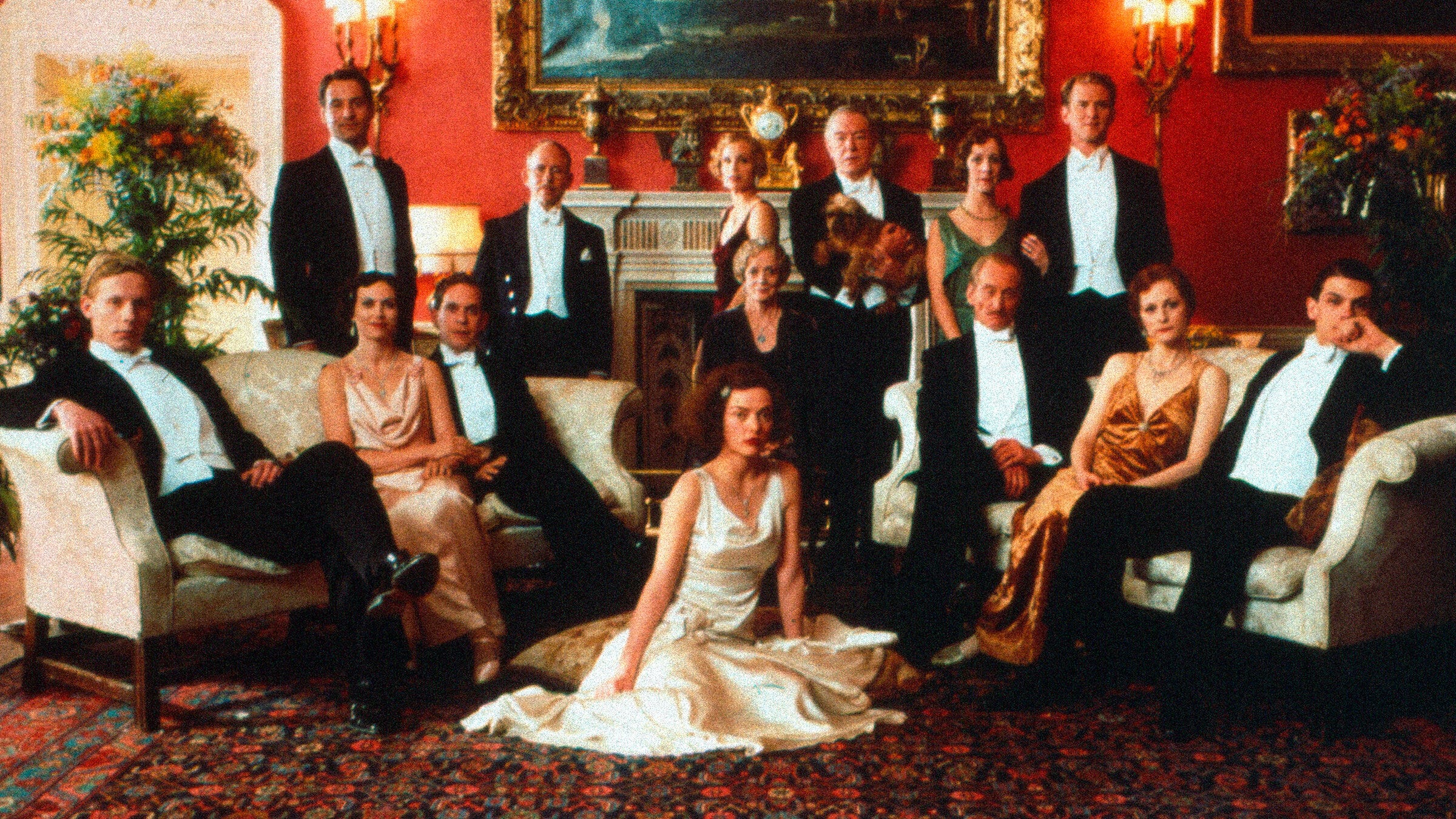
The Paris Theater: Gosford Park (2001) (Date: 2.21) — Set in the same interwar twilight that shapes Brideshead Revisited (1945), Gosford Park (2001) serves as Robert Altman’s twist on the traditional murder mystery. It centers on a cluster of upper crust Brits who find their weekend at a country estate disrupted when host Sir William McCordle (played by Michael Gambon) turns up dead after dinner. As I write in the September Movie Review, “the traditional whodunit expands to explore the class stratification that shaped the sociopolitical texture of Britain between the wars.”
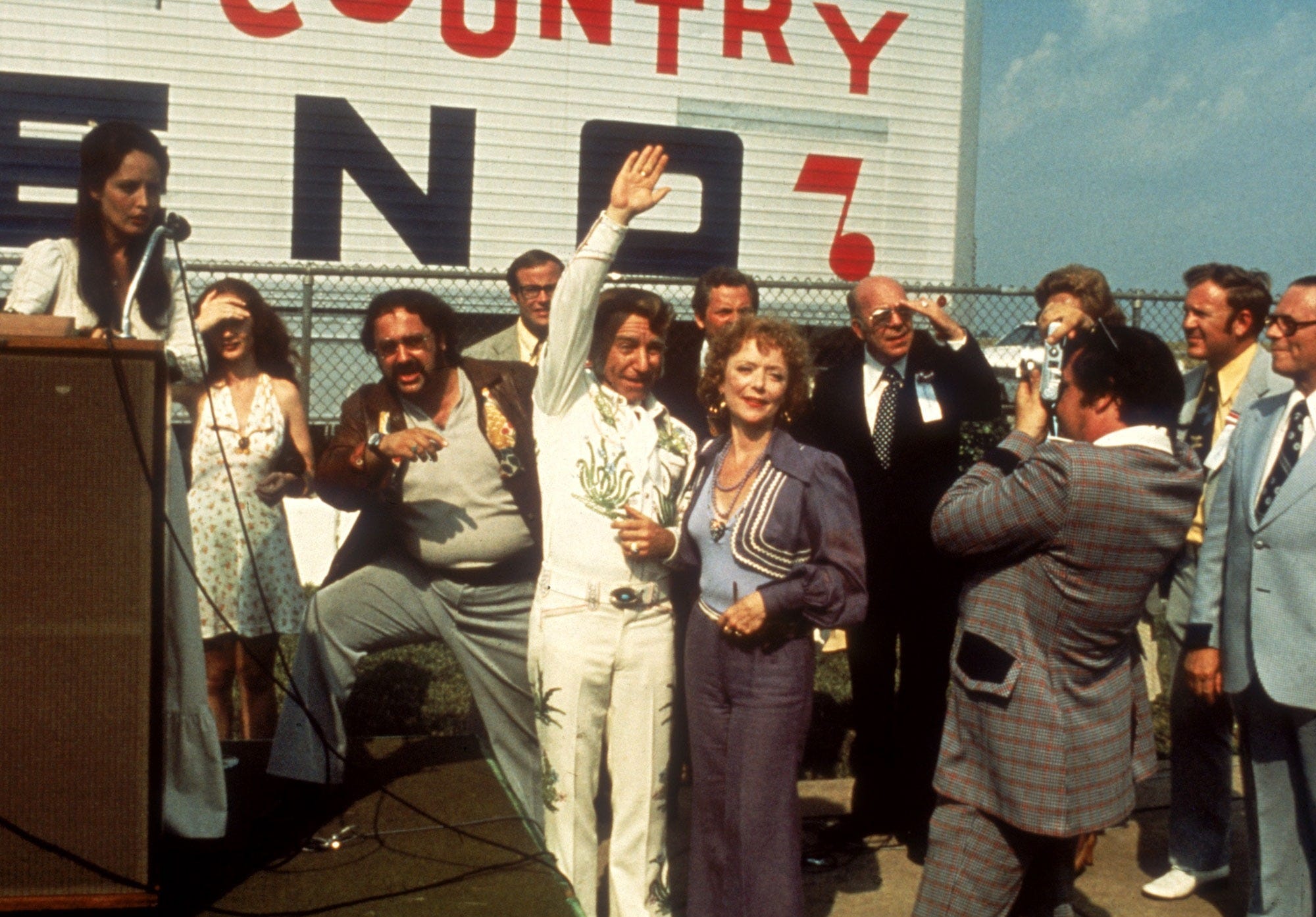
The Paris Theater: Nashville (1975) (Date: 2.22) — Another Robert Altman classic! As I write in last year’s March Movie Review:
Screened a year ahead of the United States’s Bicentennial, Nashville (1975) follows a sprawling cast of 24 characters through the “Country Music Capital of the World,” with early-era performances from the likes of Lily Tomlin, Shelley Duvall, and Jeff Goldblum. It blurs the line between celebrities and politicians, unveiling the kernels of criticism now synonymous with the populist swell of 2016. Unconventionality runs through all aspects of the film; Altman managed casting through chemistry meetings rather than traditional auditions, encouraged improvisation in crowds without a predetermined sense of the camera’s focus. Per Kael, “the deepest tensions play out in the quietest scenes.” This approach results in a slice-of-life saga punctuated by an unnerving ending, one shaped by the violence lurking beneath American culture.
Miscellaneous Musings
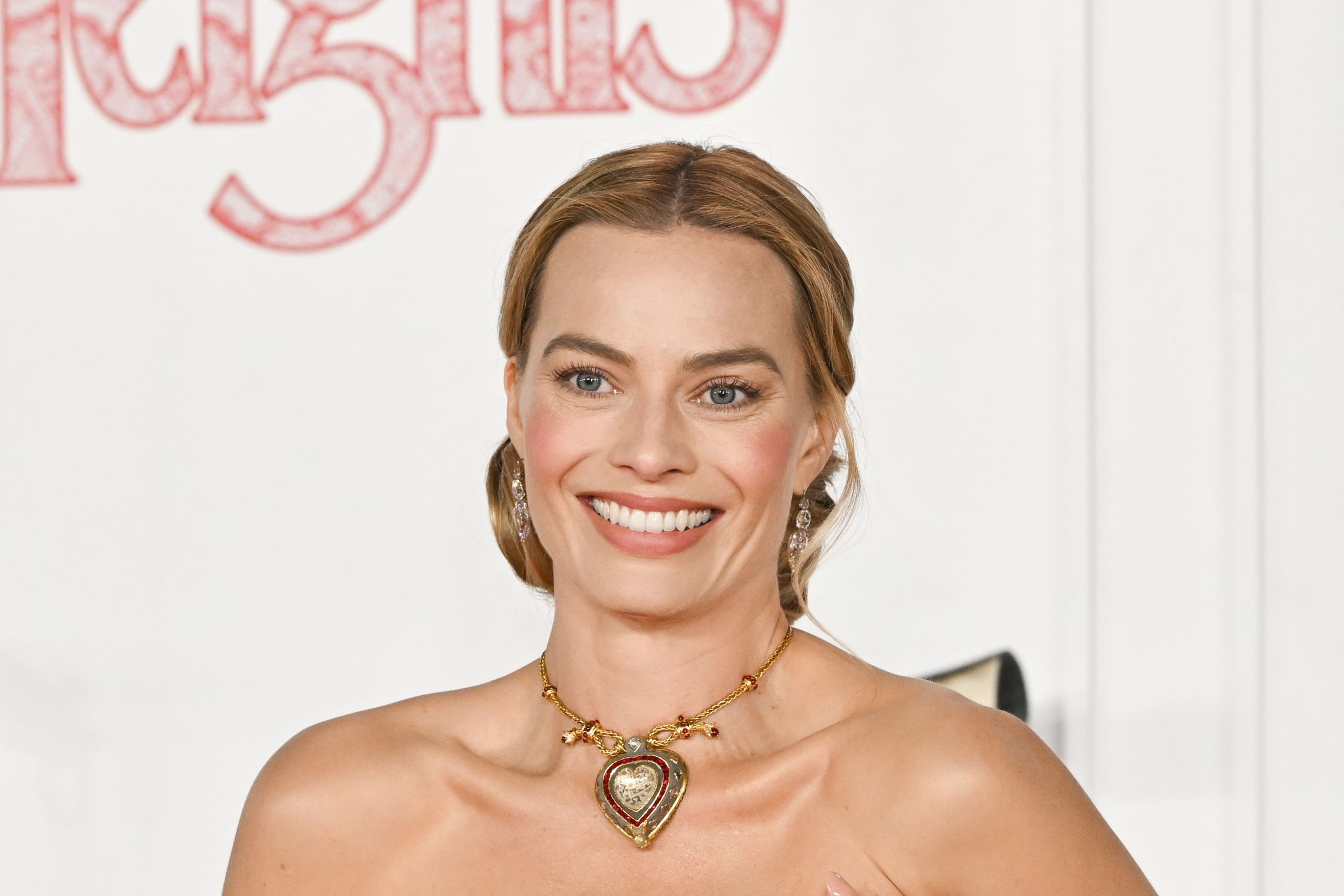
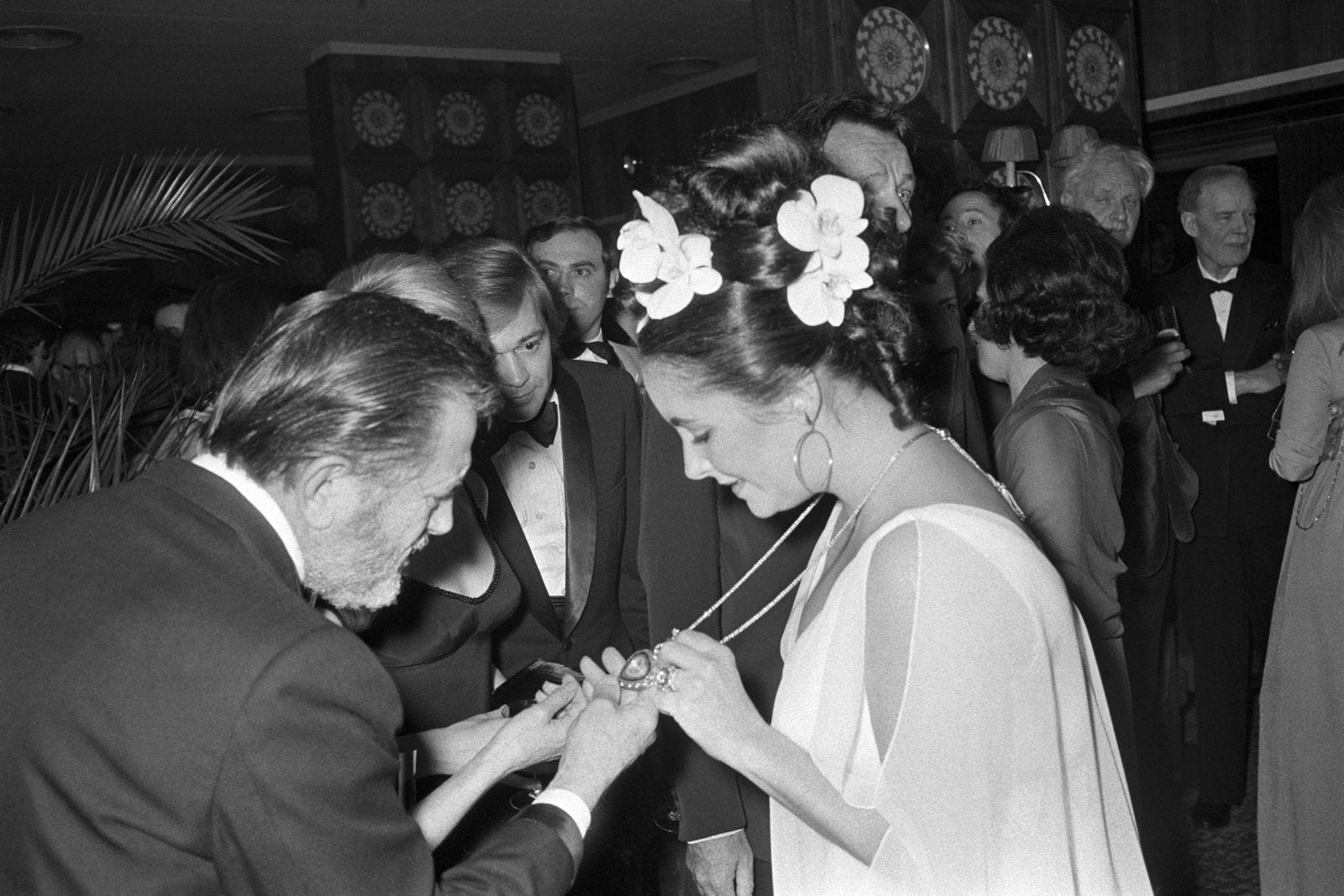
Nur Jahan —> Mumtaz-Mahal —> Elizabeth Taylor —> Margot Robbie — ICYMI: Margot Robbie stepped onto the red carpet at the world premiere of “Wuthering Heights” (2026) wearing one of the most iconic necklaces in the late Elizabeth Taylor’s collection, a gift from Richard Burton for her 40th birthday.
Dubbed the Taj Mahal necklace, the piece bears an inscription that reads “Love is Everlasting” alongside the name of empress Nur Jahan, who received it as a gift from her husband, Shah Jahangir, Mughal emperor of India from 1605 to 1627. Per Vanity Fair: “Although it is not known whether Nur Jahan ever wore the jewel, it appears that it later ended up in the hands of his son, the Mughal emperor Shah Jahan, who gave it as a gift to his own beloved wife, Mumtaz-Mahal, who died in childbirth after bearing him 14 children. Overcome with grief, he had the world-famous Taj Mahal mausoleum erected for her in her memory in Agra, India, for which only the finest materials available in the world were used.”
Cartier acquired the diamond in 1971, with designer Alfred Durante refashioning it into the necklace we know today, complete with rubies, jade detailing, and adjustable gold tassels. The piece remained in Taylor possession until her 2011 death, after which it sold for $8.8 million at auction.
An undoubted emblem of enduring romance, the kind of love that looms above time and space, the Taj Mahal necklace also seems to reflect an era when Cartier cobbled together pieces drawn from and inspired by other cultures sans collaboration. Discussing The Victoria and Albert Museum’s Cartier exhibition in last July’s newsletter, I write: “The initial room reflects an early-days fixation with far-off cultures, borderline appropriative designs drawing on the aesthetics of Iran, Japan, Russia, and, of course, India, then part of the British empire. As it grows, Cartier moves away from colonialist copies and toward genuine collaboration. For instance, one of my favorite pieces featured stems from a commission made by María Félix, a Mexican actress who dominated Latin American screens throughout the 1940s and 1950s. In 1968, she worked with Cartier to design a necklace that adopts the shape of a snake, with the diamonds on its underbelly chosen to match the colors of the Mexican flag.”
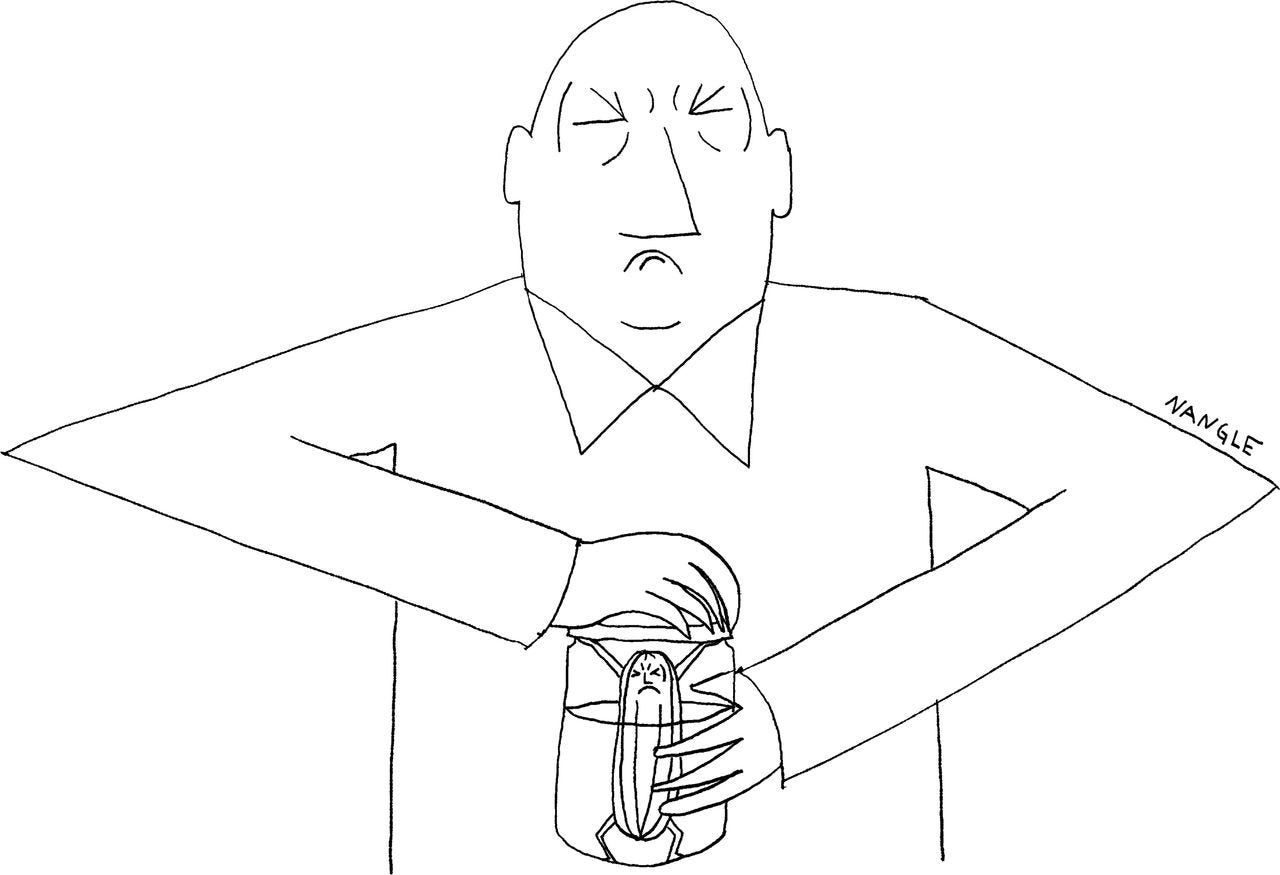
Sweet Pickle Sequel — Sweet Pickle Books, the celebrity-favorite Lower East Side staple that allows customers to swap used books for fresh pickles, has expanded with a second store next door. Toward the start of January, owner Leigh Altshuler posted a silhouetted selfie in the storefront window to announce its opening. The new shop — Sweet Pickle Books: Rare, Fine, and Fancy — specializes in rare and out-of-print books, while also selling stationary, ephemera, and, of course, pickles.
The new offshoot operates on an appointment-only basis. To book, email rff@sweetpicklebooks.com or call (917) 262-0797!
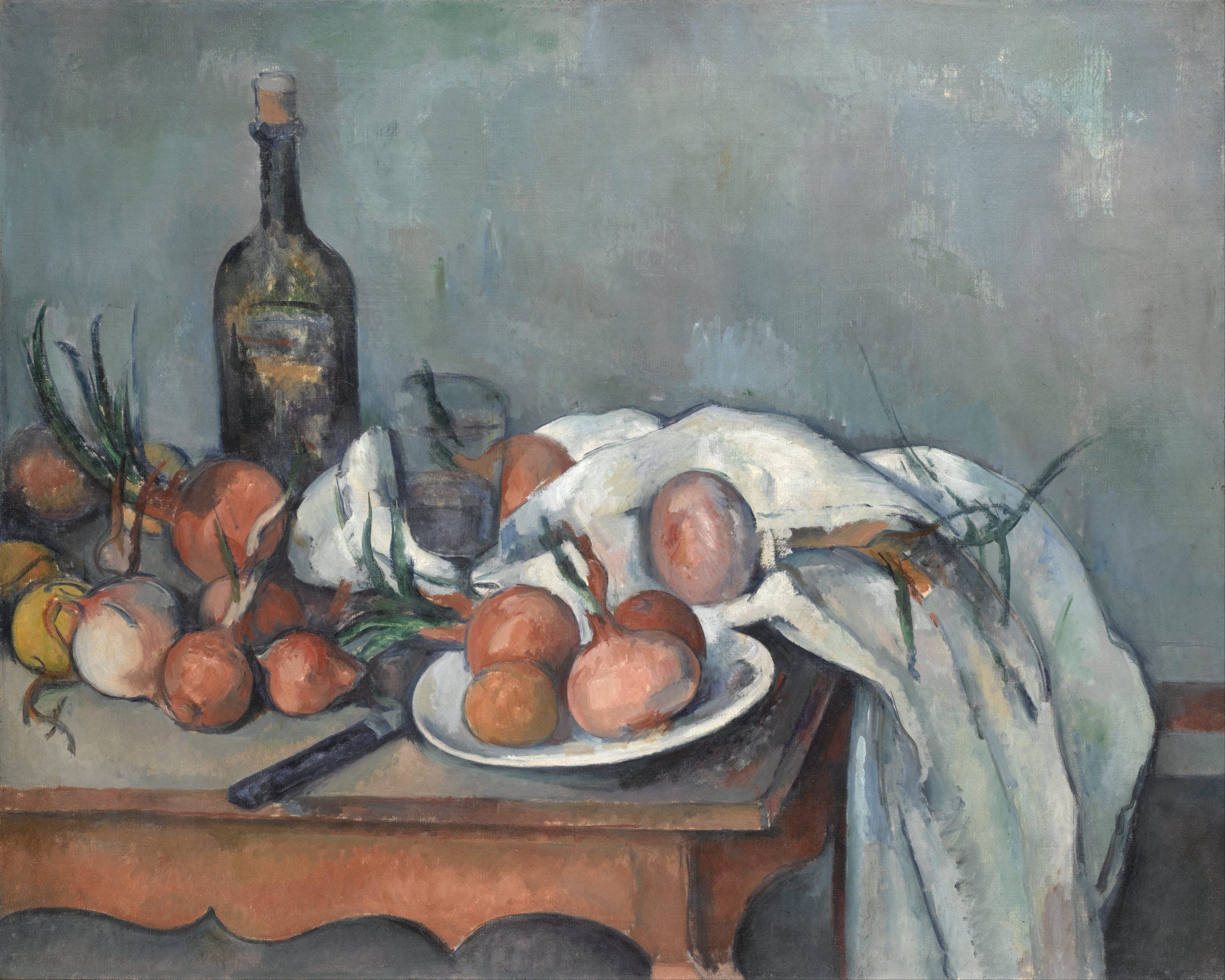
An Ode to the Art of the Home Chef in the East Village — Speaking of indie bookstore openings, longtime Three Lives & Company manager Troy Chatterton announced his departure from the beloved West Village bookshop, effective at the end of February. After 15 years, Troy’s leaving to launch Wild Sorrel Cookbooks — a new, Laurie Colwin-coded store devoted to the home cook — in the East Village this spring. In the meantime, I’ve been languorously making my way through British food journalist Diana Henry’s Around the Table: 52 Essays on Food & Life (2025) on his recommendation.
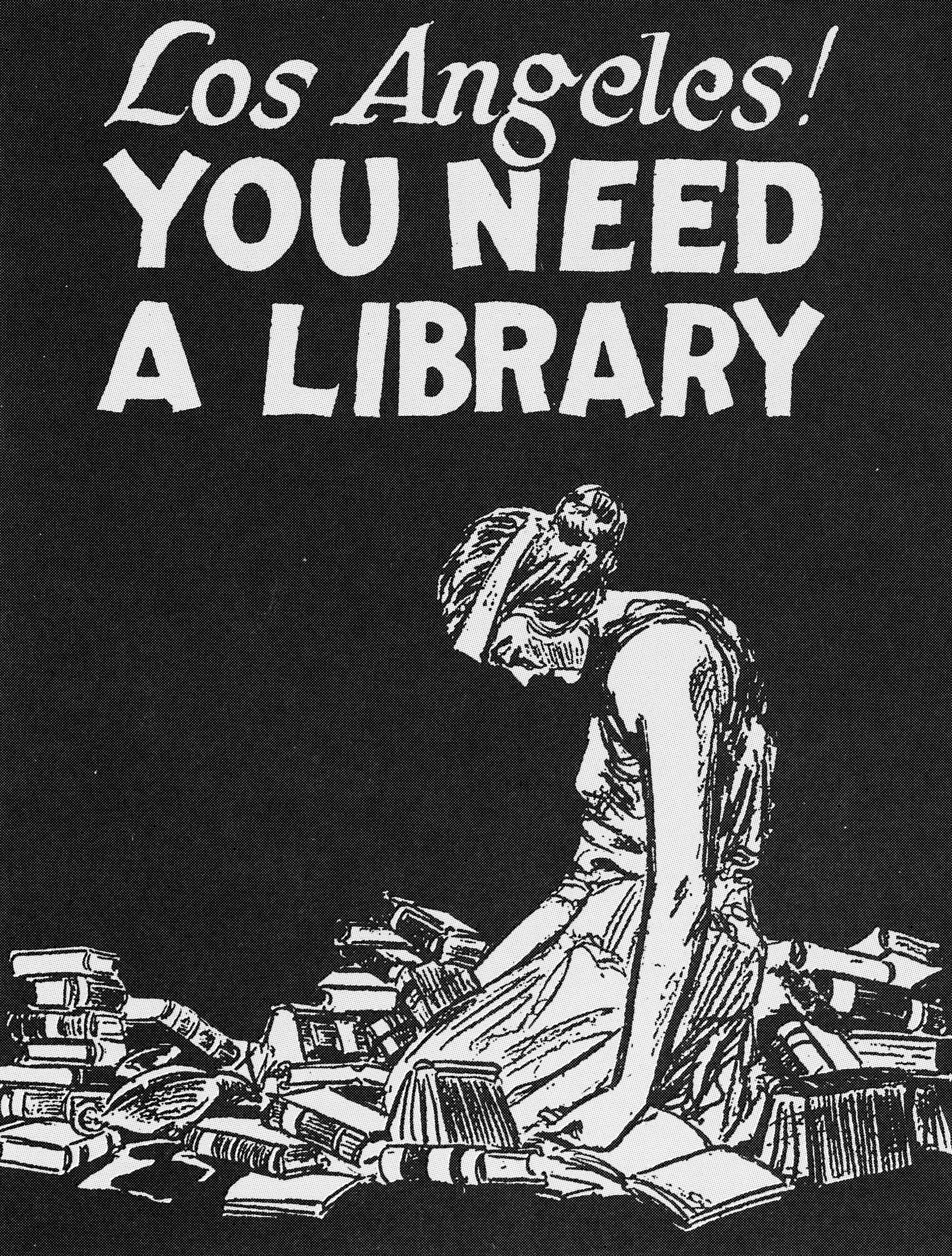
Los Angeles Central Library Centennial — This year, LA’s Central Library — an architectural landmark of downtown added to the National Register of Historic Places in 1970 — turns 100! Celebrations kicked off last week with the opening of a time capsule placed in the building’s cornerstone during its original construction and will continue all year with various exhibitions celebrating its history and offerings. If you’re based in LA, stop into any branch for a limited edition library card!
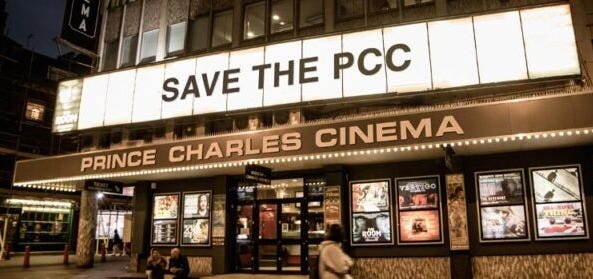
Save the PCC Update — Last year, I wrote about the potential closure of Prince Charles Cinema (PCC), an indie theater located in London’s Leicester Square that screens repertory films alongside new releases. In June, the Westminster Council named it an asset of community value (ACV), “distinguish[ing it] from other local cinemas by means of its independent ethos, unparalleled programming, and a close relationship with the local community,” per Prince Charles Cinema’s site.
Last week, the theater shared an update on Instagram in tandem with the one-year anniversary of its Save the PCC campaign; while the ACV recognition marked a win, overall progress toward a permanent long-term lease remains slow. In the meantime, if you’re based in London, check out the PCC’s stellar slate of programming to show support.
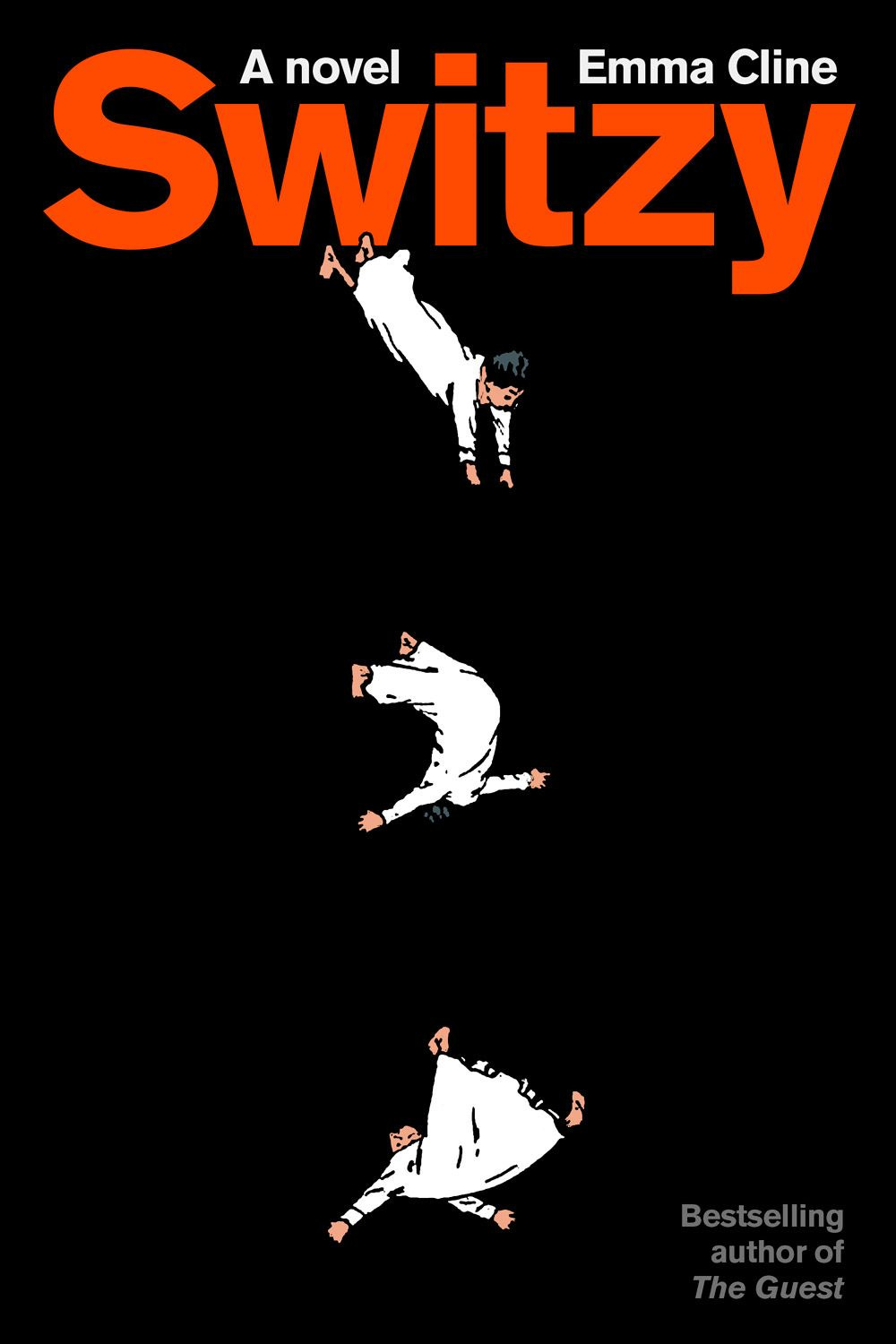
New Emma Cline Loading — Doesn’t it feel like fresh copies of Emma Cline’s sophomore novel, The Guest (2023), just filled a bevy of beach blankets out east, many bought with blind devotion to the novel’s sun-soaked setting? Well, Cline announced a new release, Switzy (2026), hitting bookstores this September.
One of my favorite contemporary novelists, Cline considers borrowed time, the knowledge that comes with staring down its barrel, as her latest book’s basis. Per People, the narrative centers on retired executive David Hastings, who “embarks on a personal pilgrimage as he begins to lose his memory. Accompanied by his personal assistant Cody, the two begin a voyage together, including stops in London to see David’s daughter and a trip to France to meet with an estranged friend, before David makes his final stop in Zurich.”
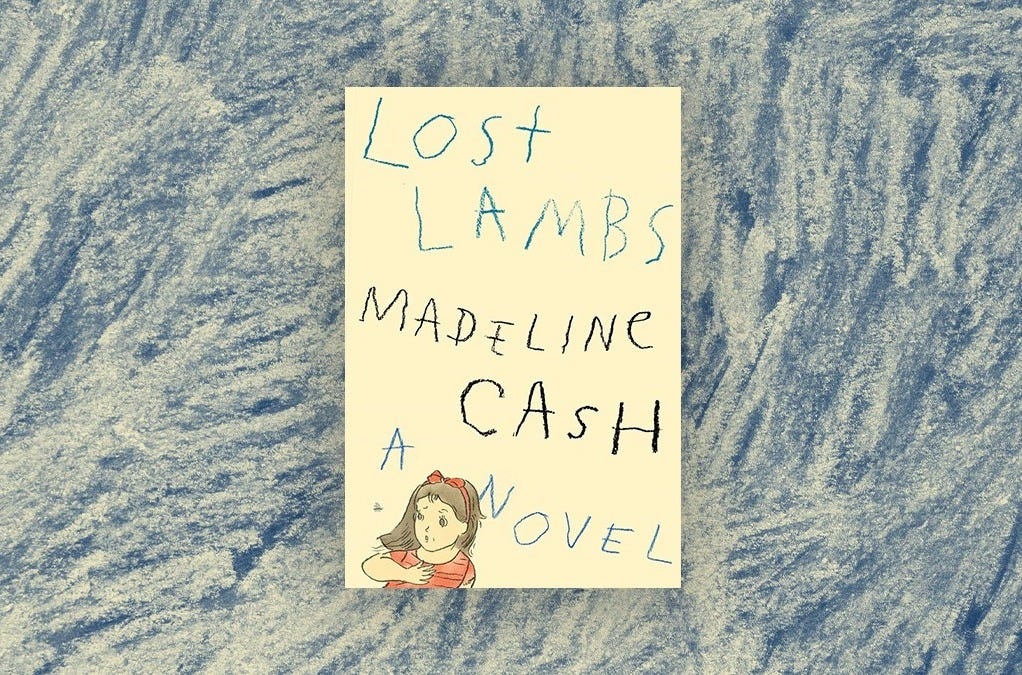
Winter’s Hottest Accessory: The Lost Lambs (2026) Earmuffs — FSG has upped its game since the dreaded days of the Beautiful World, Where Are You (2021) bucket hat. The press package for Madeline Cash’s new novel, Lost Lambs (2026), includes a campy pair of lamb earmuffs. My dream merch! Cute!!
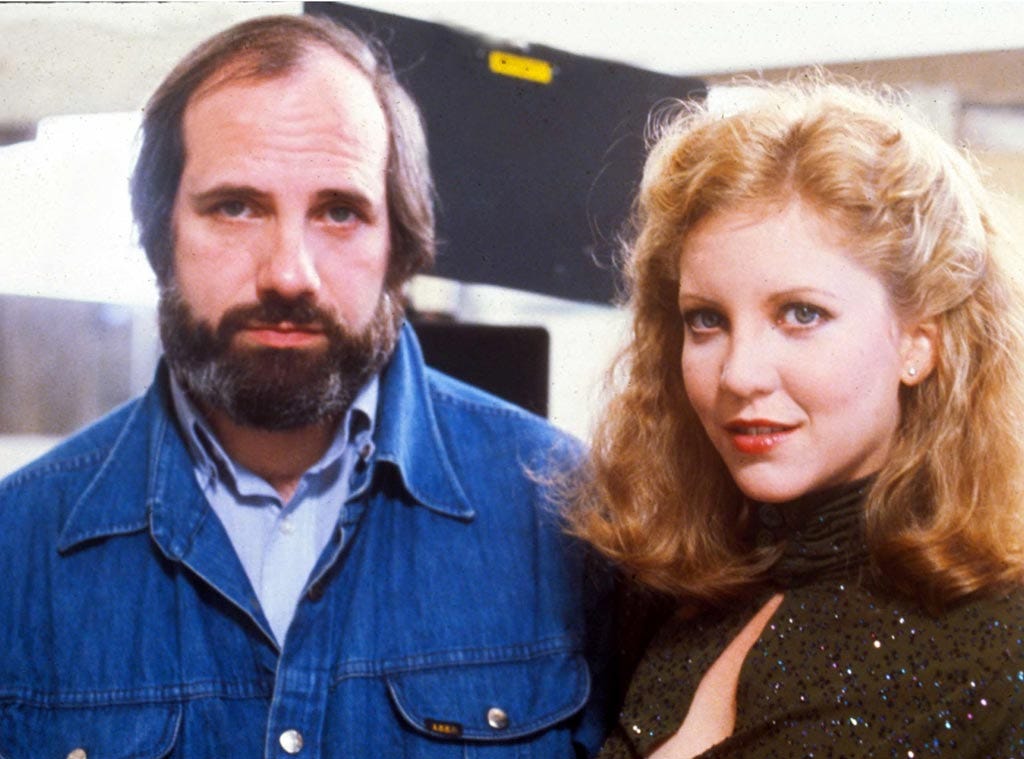
Nancy Allen on The Bret Easton Ellis Podcast — Actress and philanthropist Nancy Allen appeared on The Bret Easton Ellis Podcast in January, making for an especially compelling episode. For those of you unfamiliar with her work, she most famously appeared in a trio of Brian de Palma cult classics: Carrie (1976), Dressed to Kill (1980), and Blow Out (1981).
Beyond discussion of her marriage to de Palma and his directorial style, Allen reflects on everything from the coke-addled set of Steven Spielberg’s 1941 (1979) to ill-fated experiences filming RoboCop 2 (1990) to her shift toward shaping the WeSpark Cancer Support Center as Executive Director. The charming conversation sparkles with insights, and Allen gives one of the best responses to Bret’s perennial closing question: “What do you think about The Eagles?” (“I love The Eagles! I dated Glenn Frey.”)

The White Lotus Does The Cannes Film Festival? — Mike White’s HBO mega hit recently announced a fourth season set in the South of France. With a new slate of stars — from Chris Messina to Helena Bonham Carter — preparing to shoot at Airelles Château de la Messardière in Saint-Tropez, rumors of a potential plot integrating The Cannes Film Festival have surfaced. Consider me intrigued!
Supplemental Reading
As always, don’t forget to use archive.ph if you can’t access these pieces or any of the ones throughout my Substack!
Fiction:
Literary Hub: In the Twin Cities, indie bookstores are stepping up to ICE
Cultured Mag: 6 Small Press Editors Explain Why the Hottest New Thing in Lit Is Out-of-Print Books
Cultured Mag: Move Over, Hysterical Realism: Debut Novelist Madeline Cash Is Inventing a New Microgenre
Film:
The Hollywood Reporter: “The King on Main Street”: What Robert Redford Meant to Sundance
Air Mail: The Last Movie Star
New York Times: Oscar Nominations: Sinners (2025) Breaks Record With 16
KCRW: Cinerama Dome Memories: Dancing, Lightsabers, and Strippers
Vogue: The 2026 SAG Awards Nominations Are In! See Them All Here
Social Media Round-Up
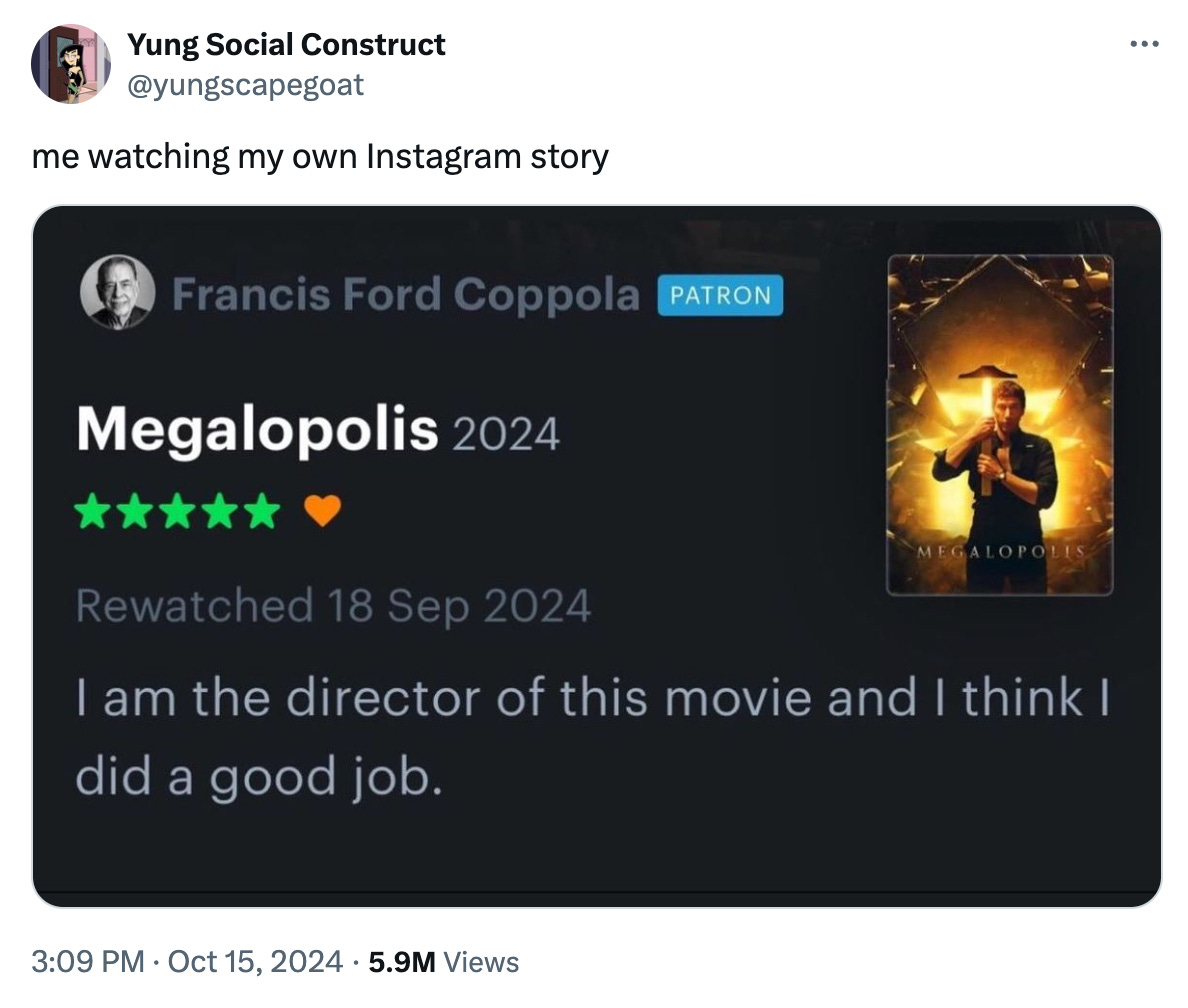
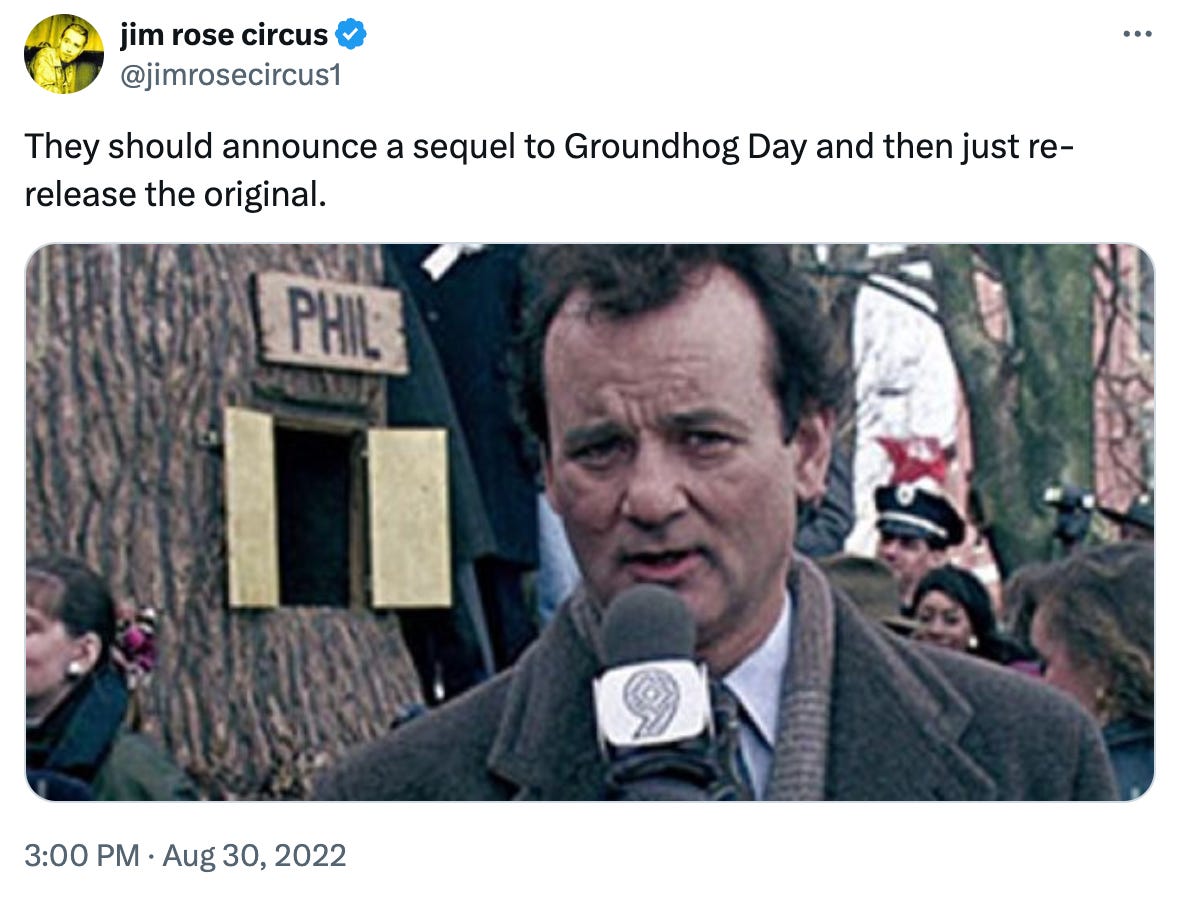
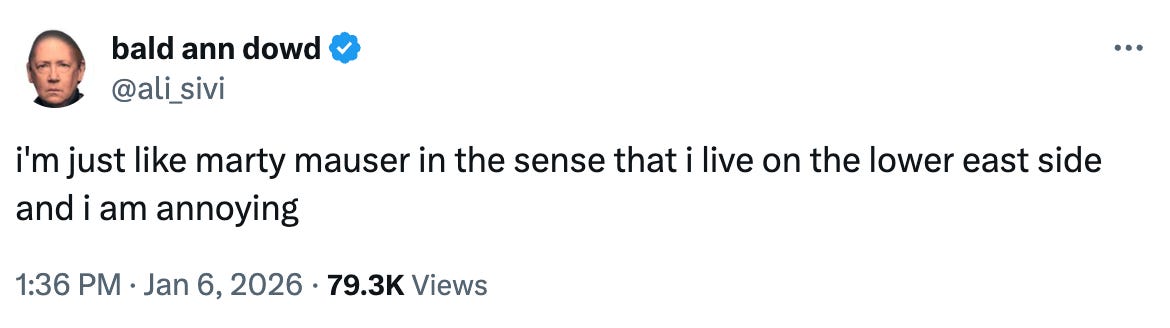
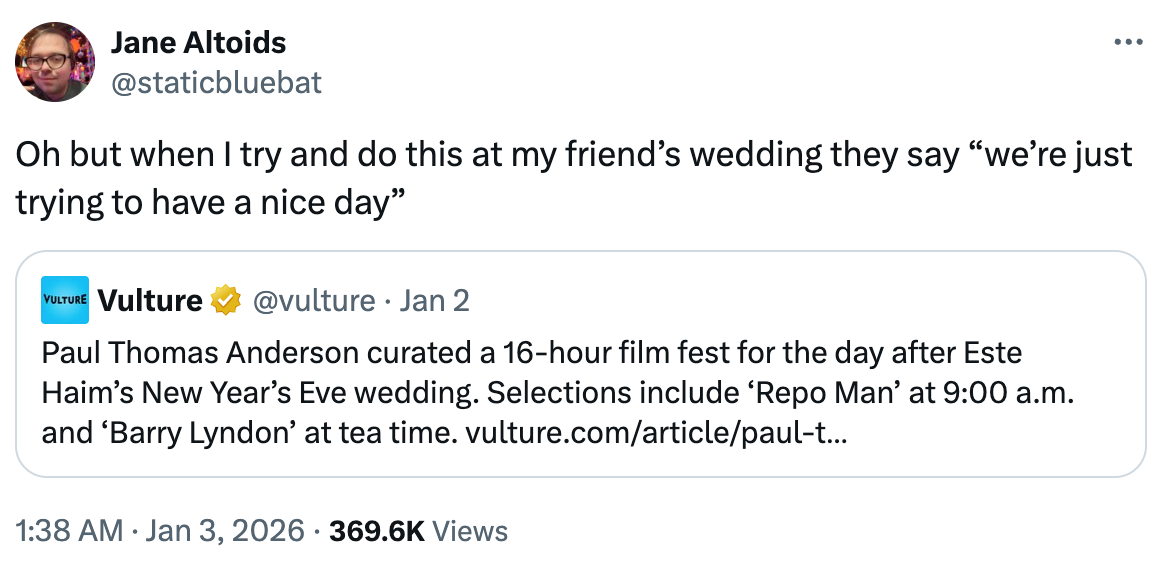
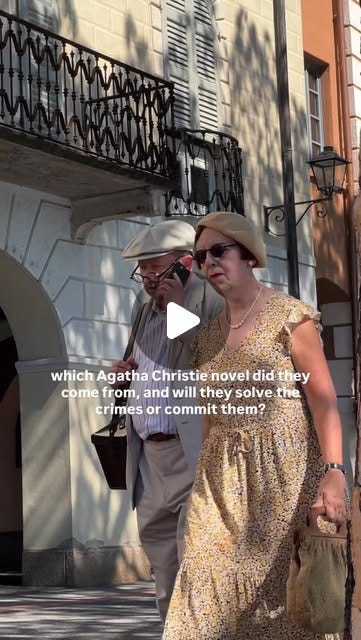
A section aggregating tweets, TikToks, Notes, etc. that made me laugh in the past month:


Cocktail of the Month
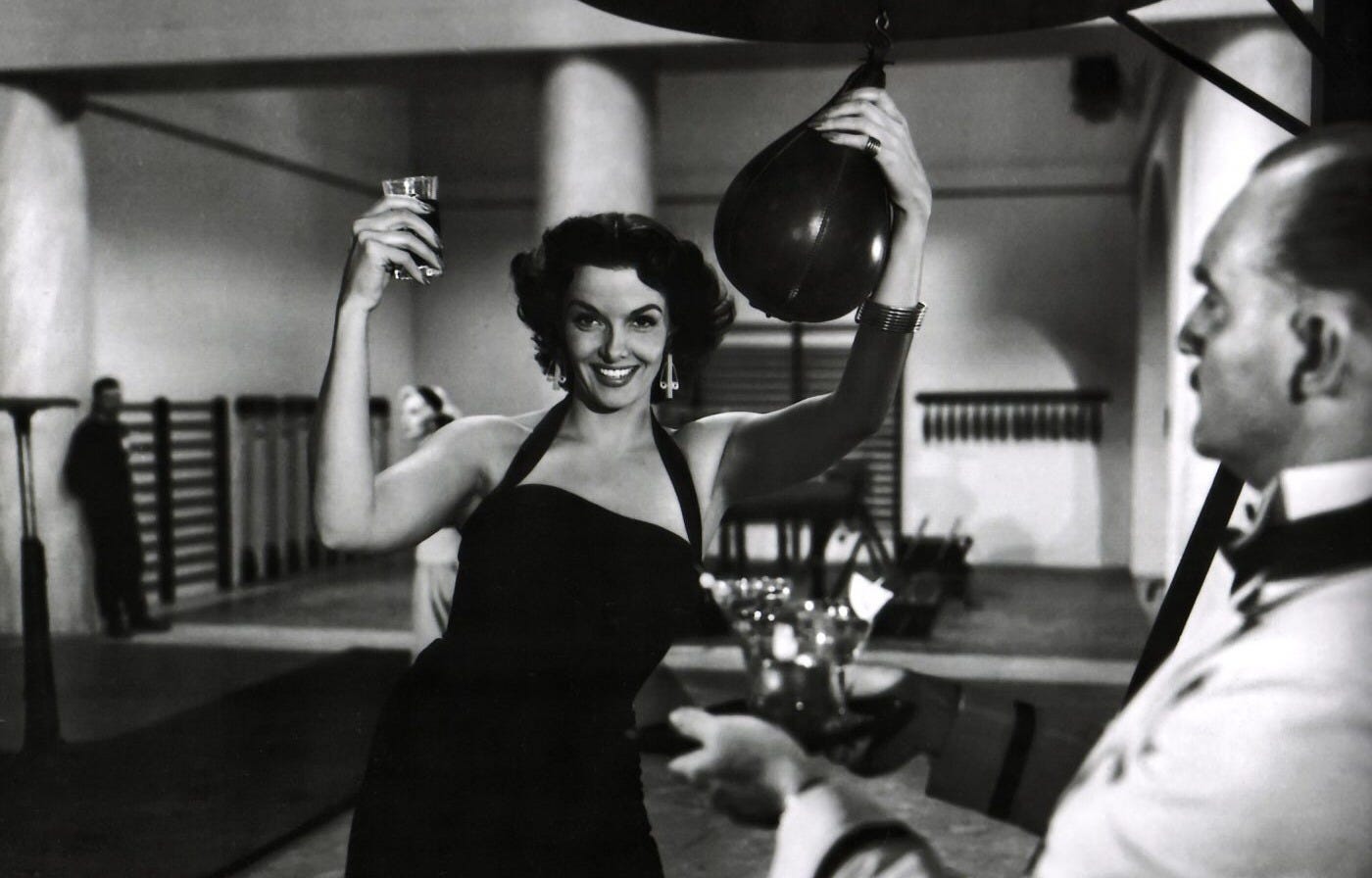
As I am always saying, Valentine’s Day is simply Halloween with a better color scheme. Get into the mood with the…
To make this dessert cocktail, spoon chocolate syrup onto a plate. Dip the rim of your cocktail glass in it, then put said glass in the fridge to chill.
Fill a shaker with ice and add three quarters of an ounce each of Baileys, Frangelico, and Kahlúa, respectively, followed by an ounce of heavy cream and half an ounce of honey syrup. You could probably also add an ounce of vodka for more of a kick.
Shake until well-chilled. Then, strain the mixture into the prepared glass, shave a Toblerone bar on top as you like, and enjoy!
That’s all for now! Stay tuned for the January Book Review. I am also down a rabbit hole on the Bling Ring, but we will talk about that in a few weeks…
xo,
Najet