


First things first, August marks the two-year anniversary of the first-ever Content Corner issue. Two years of you all listening to me talk about Bret Easton Ellis novels, Ripley adaptations, and The Conversation (1974) every month! I’m so grateful! And if you’re having a good time, please tell a friend!
Also, a moment for the new branding and its blueprint:
Now, let’s get into it:
August Book Selections
To me, August marks the time for a melancholic kind of summer read.
Suggestions for this month include:
The Seas by Samantha Hunt (2004) — The Seas (2004) prefigures the work of writers like Melissa Broder and Marie-Helene Bertino, spinning speculative elements into the grim landscape of reality with precise prose. Reissued by Tin House in 2018 with a foreword by Maggie Nelson, this slim, surrealist novel from Samantha Hunt inhabits the headspace of a teenage girl living in a dead-end coastal town. She harbors a hyperfixation with Jude, an Iraq war veteran years her senior, while struck by visions of her long-gone father.
As I write in the May Book Review: “The narrator sees herself as a mermaid, a perspective that pricks the blurred border between truth and insanity…The Seas operates as a fever dream of its time, set against the backdrop of post-9/11 America. The Iraq War permeates each page…Jude’s overseas experience marks a tonal before and after. He returns…shell-shocked, his loss of innocence ricocheting through the narrator as she navigates her own coming of age, relationship with her mother, and sense of reality simultaneously.”
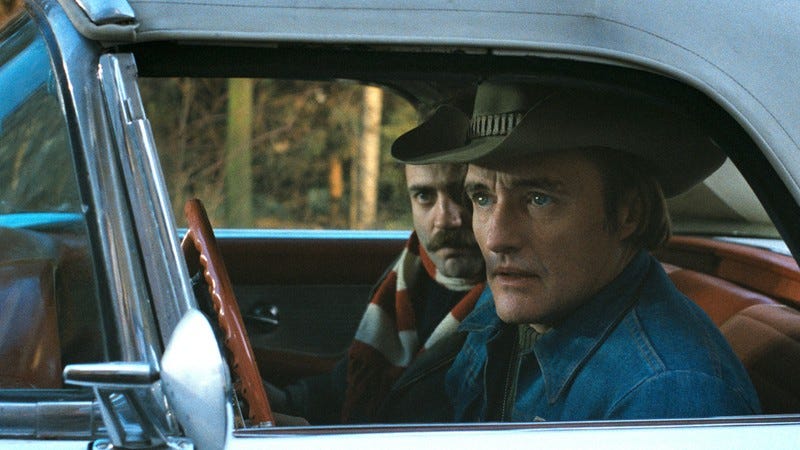
Ripley’s Game by Patricia Highsmith (1974) — In Ripley’s Game (1974), Tom Ripley still resides at his estate in the French countryside, Belle Ombre, alongside his wife, Heloise, and their housekeeper, Mme. Annette. When his friend, Reeves Minot, reaches out for help with a mafia hit, Tom — standing “taller, conscious of the fine house in which he live[s], of his secure existence now” — declines. Instead, a perceived slight at a party in town propels Tom to point Reeves toward working class British picture framer Jonathan Trevanny as a potential gun for hire.
The third Ripley novel disrupts the typical texture of the series as Patricia Highsmith’s close third-person prose inhabits the headspace of not only Tom, but also Jonathan. As I write in the September Book Review: “Ripley’s Game, to me, marks the first morsel of genuine friendship Tom exhibits in the series. His hyperfixation with Dickie Greenleaf in The Talented Mr. Ripley (1955) stems from an arguable combination of envy and lust, while his relationship with the Derwatt Ltd. team in Ripley Under Ground comes with a kind of professional distance. Tom’s contempt toward Jonathan, however, alchemizes into camaraderie. The two men move from opposite ends of the moral spectrum toward its center as the novel’s narrative accelerates toward its devastating conclusion, shaped as ever by Highsmith’s signature ‘elegant, amused, sophisticated sangfroid,’ per Kirkus Reviews.”
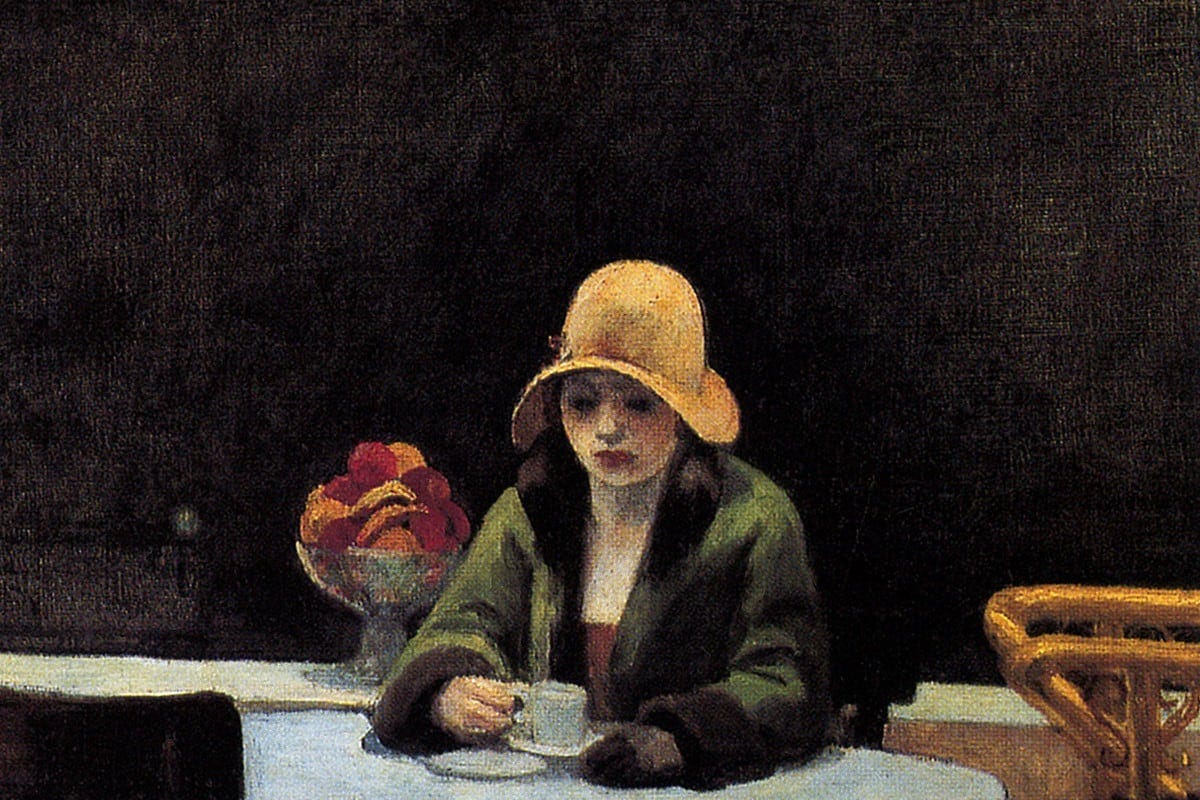
Good Morning, Midnight by Jean Rhys (1939) — A favorite in the canon of Sad Women Wandering around a City! This Modernist novel from Jean Rhys follows English woman Sasha Jensen through Paris as she meditates on the dual demises of her marriage and child. Her past floods the present. Memory moves the narrative, fracturing the comfort of Sasha’s connection to the city. As librarian and writer Rachael Nevins writes for Ploughshares: “These memories come to her as seemingly disparate events; they are not connected by cause and effect, but rather associated with locations that Sasha passes as she walks. ‘There this happened, here that happened,’ is a recurring refrain; early in the novel, Sasha reminds herself, ‘The thing is to have a programme, not to leave anything to chance — no gaps. No trailing around aimlessly with cheap gramophone records starting up in your head, no ‘Here this happened, here that happened’. Above all, no crying in public, no crying at all if I can help it.’”
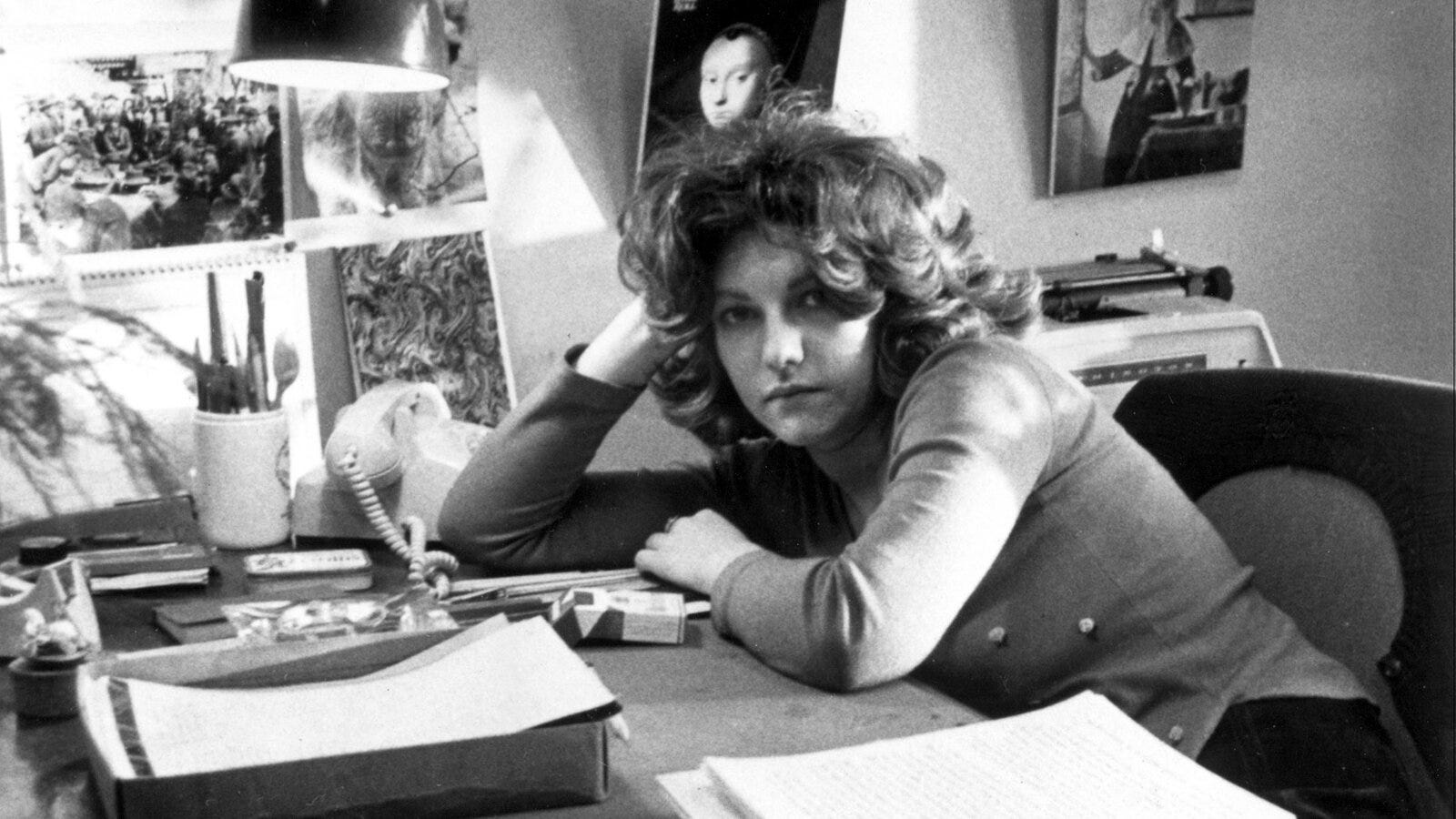
Family Happiness by Laurie Colwin (1983) — Laurie Colwin has amassed a posthumous reputation for feel-good fiction, but, beyond Happy All The Time (1978), her work unpacks the preoccupations of upper crust East Coast society with a subversive sensibility. As American author Lisa Zeidner writes in a 2021 New York Times piece: “Although her unions may feel a bit candy-colored at first, it turns out that Colwin herself is intent on probing such domestic comfort…Beneath the effervescent romcomedies of manners, Colwin sneaks in a hint of ironic European art-house movie, with more moral ambiguity, less happiness all the time, than the plots might lead you to expect.”
To me, Family Happiness (1983) exemplifies this notion and emerges as the best of her work. It focuses on Polly Solo-Miller Demarest, a wealthy Upper East Side woman caught up in an extramarital affair with a downtown artist. The narrative dissolves traditional notions of monogamy and fidelity, with an ending decades ahead of its time.
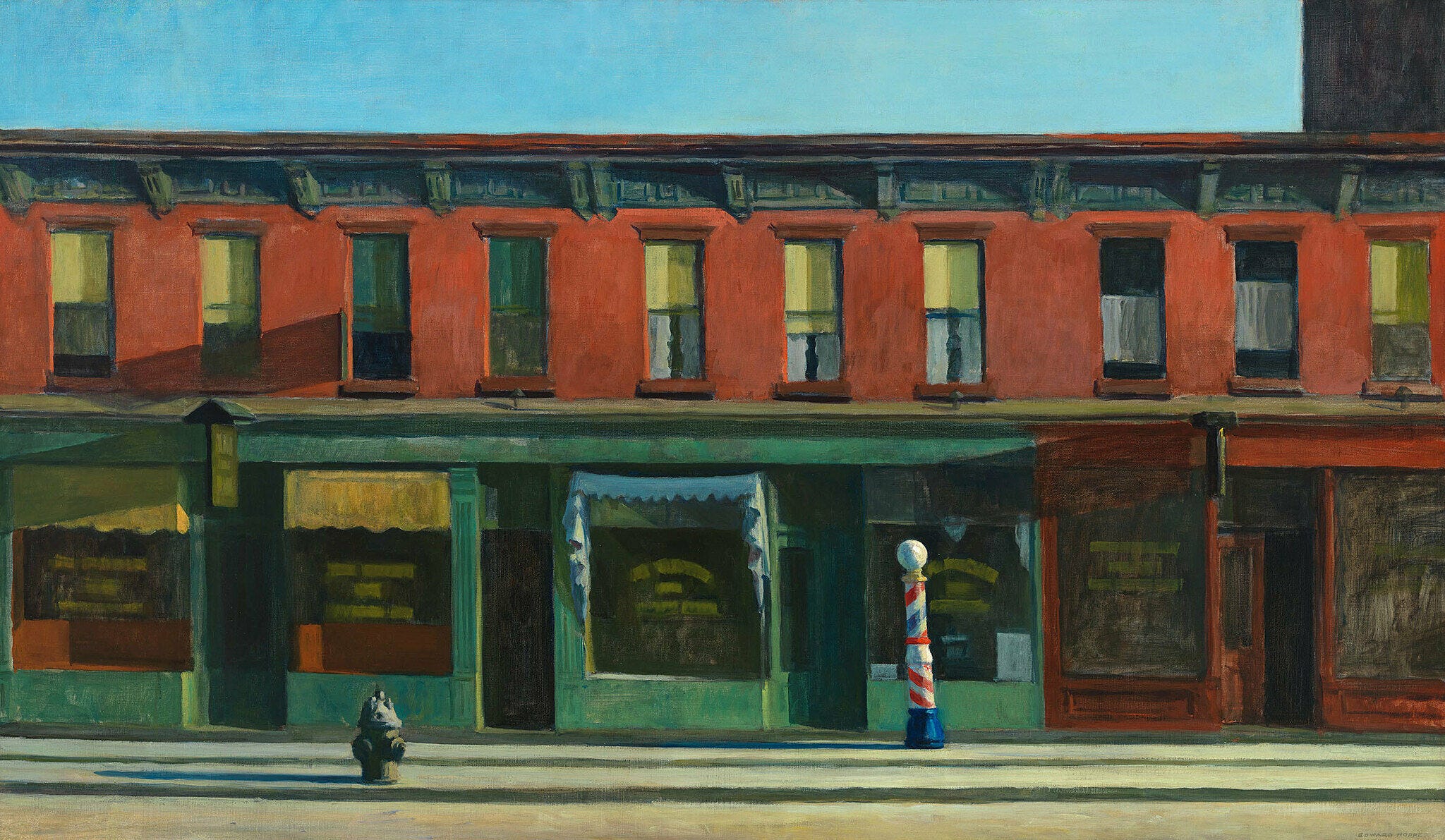
The End of Vandalism by Tom Drury (1994) — I started to write a recommendation for Larry McMurtry’s The Last Picture Show (1966) before realizing it appeared as one of last July’s picks. So, we’re going for a tonally similar novel with Tom Drury’s The End of Vandalism (1994)! Set in the Midwest, its narrative centers on a love triangle between policeman Dan Norman, photographer’s assistant Louise Darling, and Louise’s husband, Tiny. While that dynamic propels the capital-P plot, the novel functions as a meditation on the particularities of place above all else.
As British writer and editor James Smart describes in his 2015 review for The Guardian, The End of Vandalism “hunkers deep into the daily life of its fictional backwater of Grouse County, offering people and stories that are strange, sometimes sad and often very funny. Drury builds a low-key portrait packed with incidental detail, as well as drinking, insomnia, theft, council meetings, bad TV, aggressive fish and crackly radio stations. Conversations come in fits and starts, and the story moves at a lovely gait that feels barely perceptible but takes you to wonderful places, and spins a fine narrative from the apparent mundanity of lives being lived.”
Upcoming Content to Consume
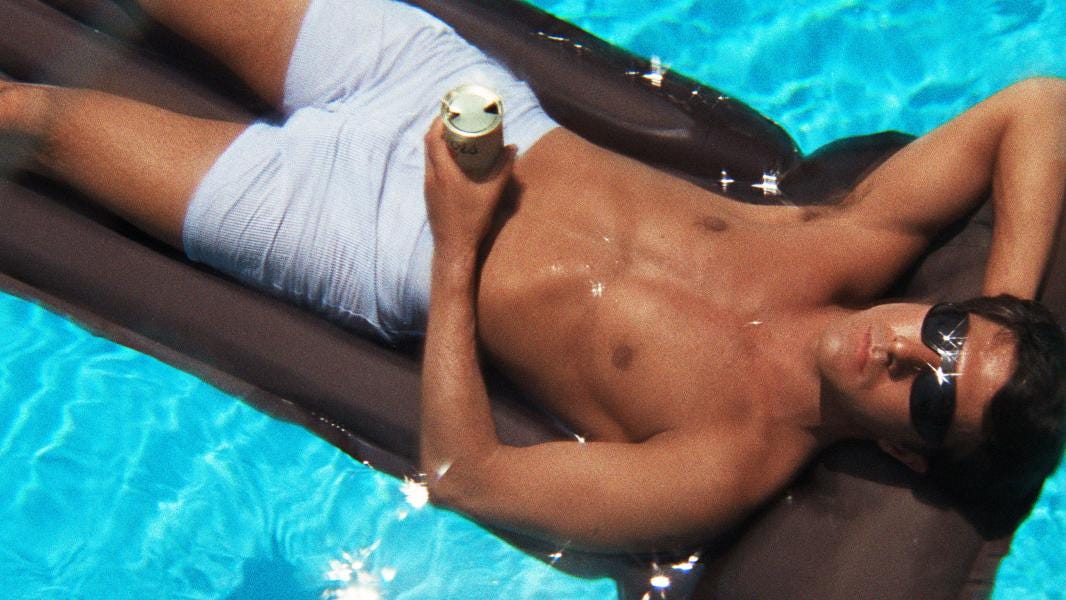
New Beverly Cinema: The Graduate (1967) (Dates: 8.9-8.11) — LA-based subscribers can start the month with one of my favorite films of all time at The New Bev.
Directed by Mike Nichols on the heels of Who’s Afraid of Virginia Woolf? (1966), The Graduate (1967) captures the melancholic confusion that can shape postgrad life. It adopts the lens of Benjamin Braddock (played by Dustin Hoffman), a recent graduate awash in listlessness who enters into an affair with his older married neighbor, Mrs. Robinson (played by Anne Bancroft). The situation grows even more complicated when he meets — and falls for — Mrs. Robinson’s college-aged daughter, Elaine (played by Katharine Ross).
The film plays from 8.9 through 8.11 as part of a double feature with Hal Ashby’s Harold and Maude (1971), which I have yet to see.
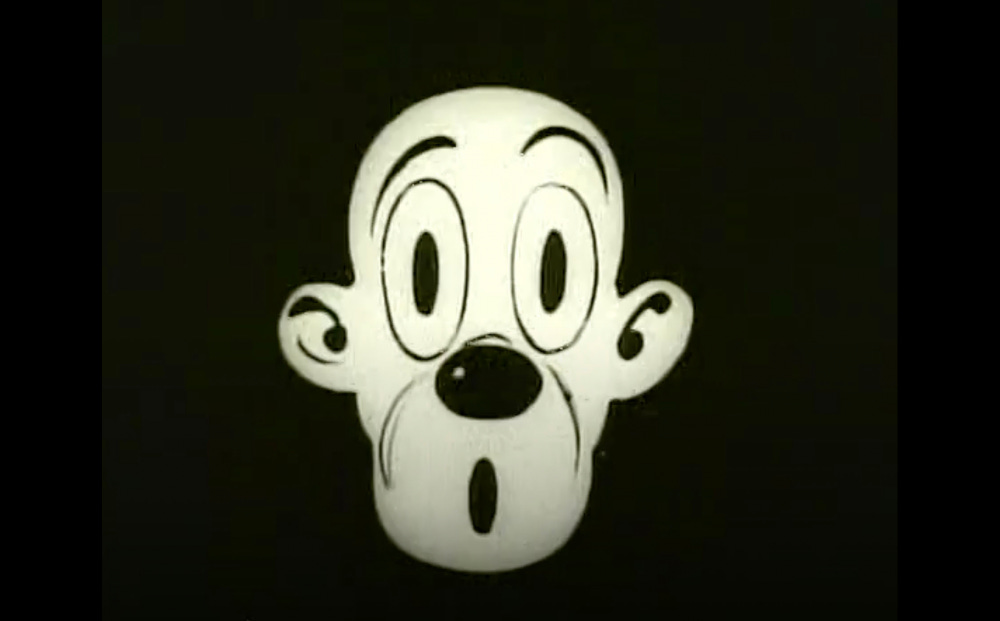
Film Forum’s Cartoons Lost and Found and Musical Cartoons Before the Code with Cartoon Historian Jerry Beck (Dates: 8.10-8.11) — Film Forum has planned a set of screenings dedicated to the golden age of cartoons. The first will feature “a round-up of recent animation restorations from the UCLA Film and Television Archive” from the 1920s, 1930s, and 1940s, while the second centers exclusively on pre-Code musical cartoons from the 1930s, per the site. Beloved characters from Betty Boop to Felix the Cat to Toby the Pup will appear across both programs, curated and introduced by cartoon historian Jerry Beck. You can check out details here and here!
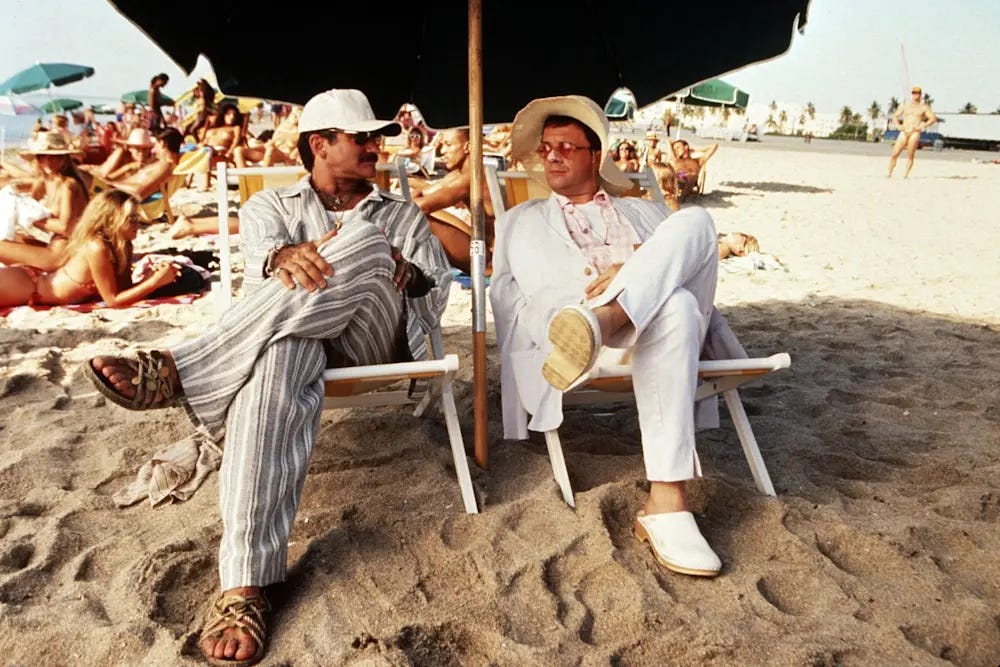
The Academy Museum: The Birdcage (1996) in 35mm (Date: 8.11) — Another Mike Nichols favorite for LA-based subscribers! This month, The Academy Museum will screen classic comedy The Birdcage (1996). As I write in the May 2024 Book Review:
[It] operates as an American adaptation of critically acclaimed French film La Cage aux Folles (1978). In Nichols’s interpretation, Armand Goldman (played by Robin Williams in a rare straight-man role), owner of South Beach drag club The Birdcage, and his partner and its star, Albert (played by national treasure Nathan Lane), find themselves faced with a conundrum when their son, Val (the true villain of the movie, played by Dan Futterman; +1 to the Letterboxd rando who wrote: “imagine having robin williams and nathan lane as your dads and treating them the way val does in this movie…could NOT be me”), returns home from college and announces his intention to marry Barbara, the daughter of a conservative politician (played by Calista Flockhart). Farcical hijinks ensue as they attempt to make a positive impression on Barbara’s right-wing family…Come for Robin Williams and Nathan Lane, stay for Gene Hackman dancing to Sister Sledge’s “We Are Family” (1979) in drag.
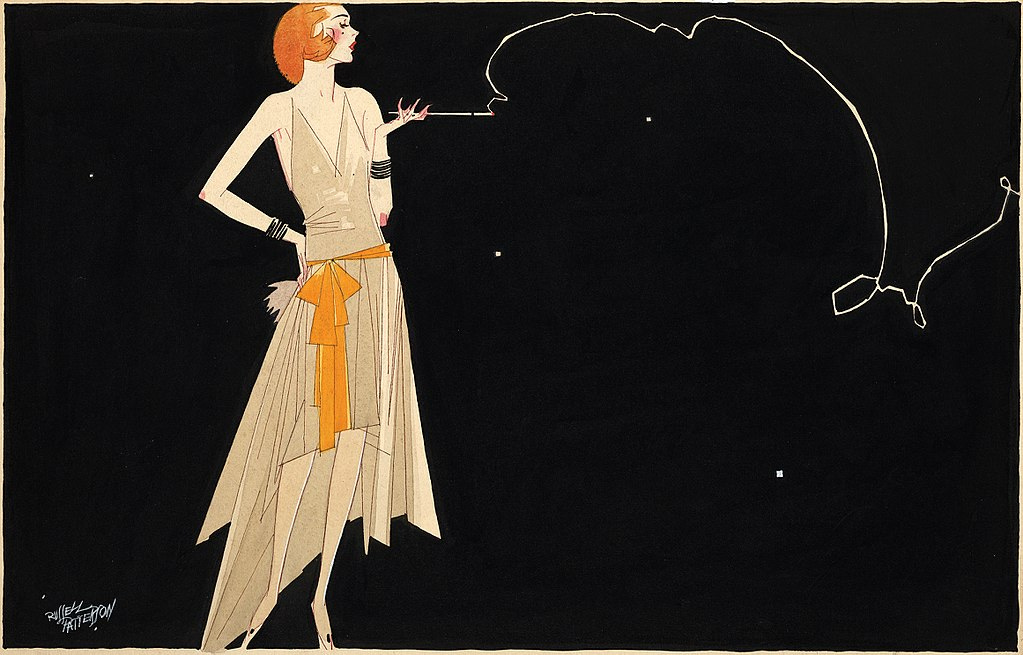
McNally Jackson Seaport: Who Is an Ex-Wife? with Iva Dixit and Joumana Khatib (Date: 8.14) — Join former New York Times Magazine editor Iva Dixit and New York Times Book Review editor Joumana Khatib for a discussion of one of my favorite reads in recent years, Ursula Parrott’s Ex-Wife (1929). This novel, which I’ve recommended again and again since its McNally Editions reissue, follows Jazz Age divorcee Patricia as she navigates the trials and tribulations of dating in New York. A precursor to popular programs like Sex and the City (1998-2004) and Girls (2012-2017), Ex-Wife feels chillingly contemporary thanks to details from summer weekends out east to dates at Caffe Dante on MacDougal. Per McNally Jackson, Dixit and Khatib will unpack “how much honesty…an ‘honest’ marriage really permit[s] a wife…and once you’re no longer a wife, whether you can you really start all over again” within and beyond the framework of the book.
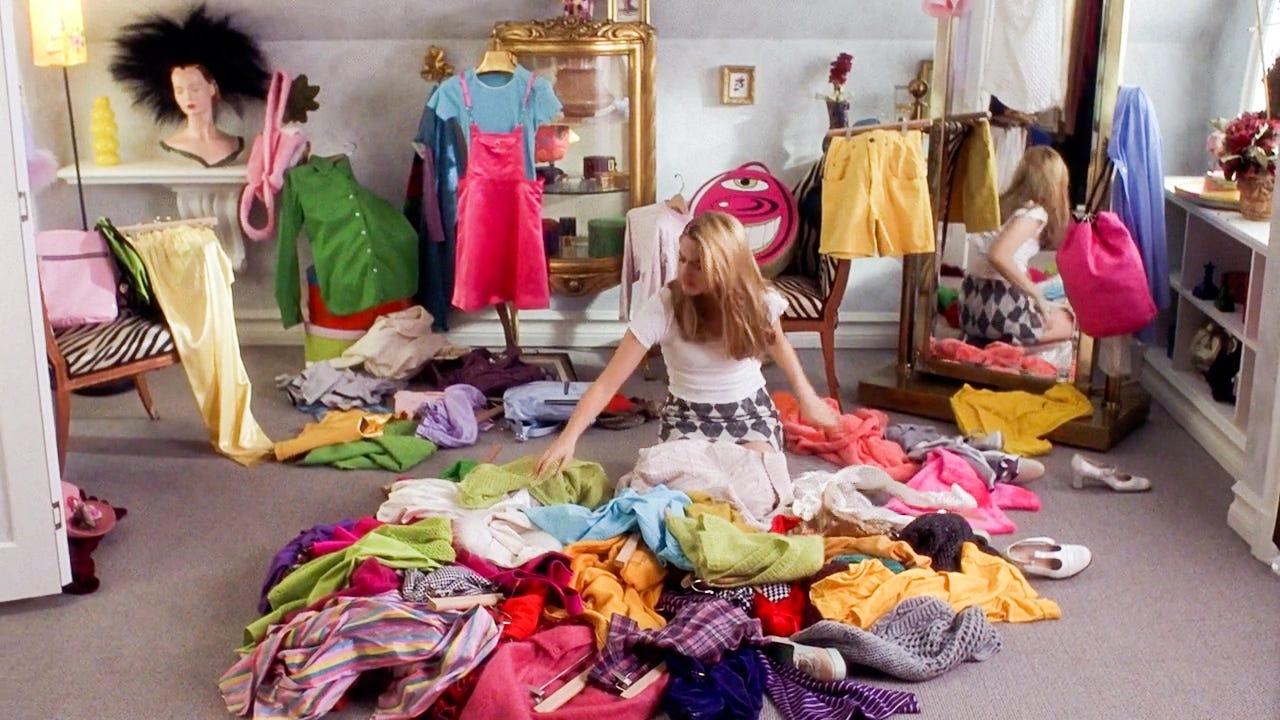
The Morgan Library: Clueless (1995) Screening and Discussion with Costume Designer Mona May (Date: 8.14) — ICYMI: Clueless (1995), a long-held favorite film of mine (unsurprising, coming from a Southern California native with a penchant for matchmaking and bad driving), turns 30 this year. To mark the occasion, The Morgan Library will screen the contemporary retelling of Jane Austen’s Emma (1815) in tandem with its latest exhibition, A Lively Mind: Jane Austen at 250. A Q&A with costume designer Mona May, the mastermind behind 90s classics like The Wedding Singer, Romy and Michele’s High School Reunion, and Never Been Kissed as well, will follow. You can reserve tickets for $25 here!
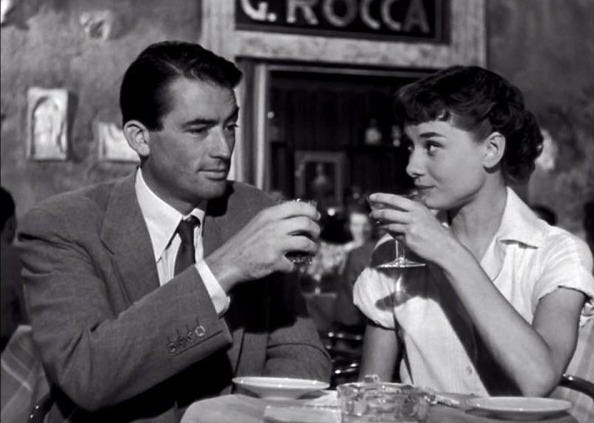
Village East: Roman Holiday (1953) (Date: 8.18) — Inhale the last gasps of euro summer with Gregory Peck and Audrey Hepburn in Roman Holiday (1953)! The Golden Age Hollywood rom com centers on Ann (played by Hepburn), a European princess who sheds her identity to explore Rome solo. When she falls asleep on a park bench, American reporter Joe Bradley (played by Peck) takes her in, prompting a Mr. Deeds Goes to Town (1936)-esque conflict of interest as he weighs whether to break her identity as part of his role with the press.
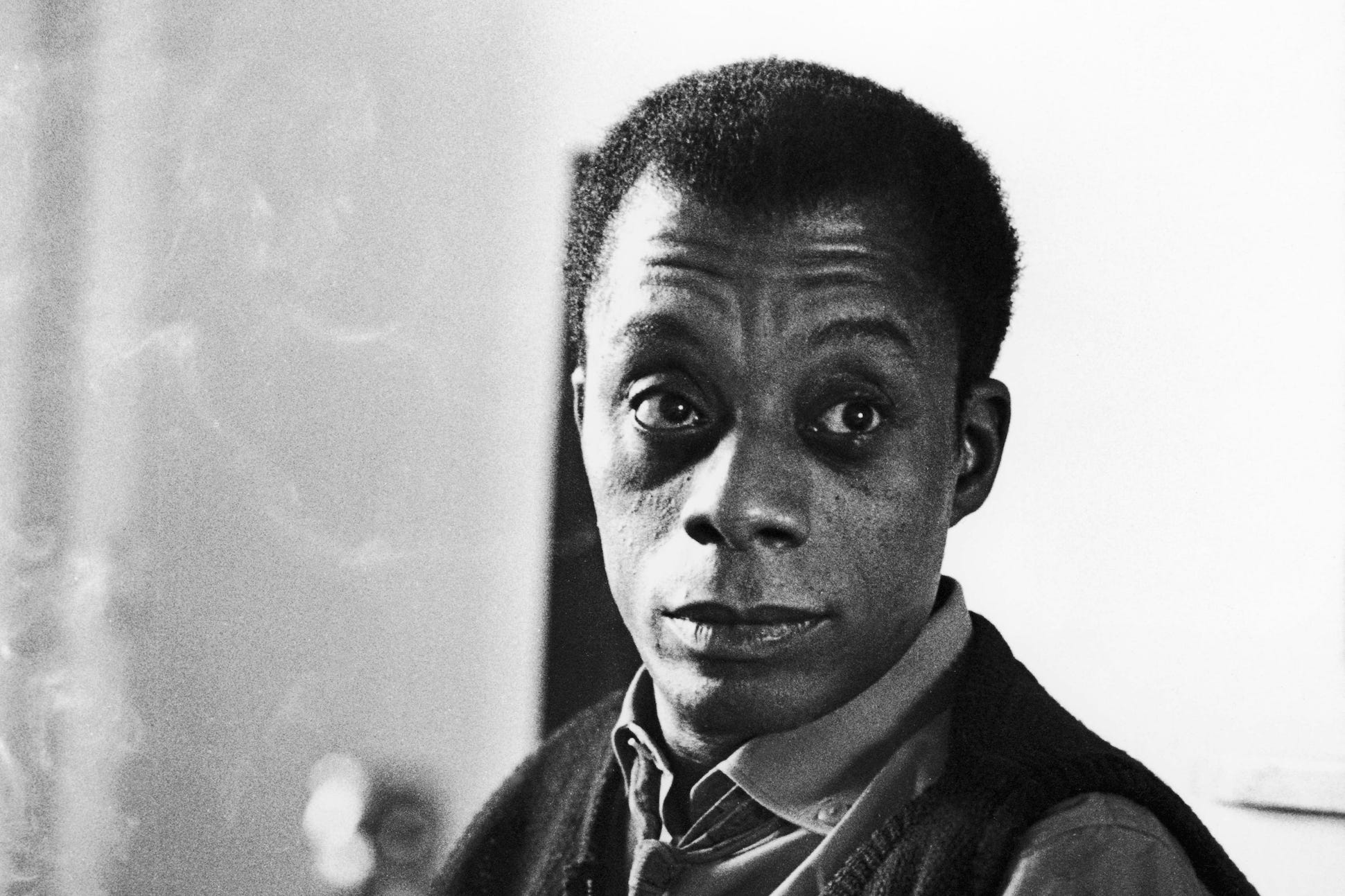
McNally Jackson Seaport: Nicholas Boggs presents Baldwin: A Love Story (2025)
in conversation with Rachel Eliza Griffiths (Date: 8.19) — This month, Nicholas Boggs will discuss his new biography of James Baldwin alongside poet, novelist, and visual artist Rachel Eliza Griffiths. As the McNally Jackson website describes:
The first major biography of James Baldwin in three decades, [it] reveals how profoundly the writer’s personal relationships shaped his life and work. Drawing on newly uncovered archival material and original research and interviews, this spellbinding book tells the overlapping stories of Baldwin’s most sustaining intimate and artistic relationships: with his mentor, the Black American painter Beauford Delaney; with his lover and muse, the Swiss painter Lucien Happersberger; and with his collaborators, the famed Turkish actor Engin Cezzar and the iconoclastic French artist Yoran Cazac, whose long-overlooked significance as Baldwin’s last great love is explored in these pages for the first time.
Nicholas Boggs shows how Baldwin drew on all the complex forces within these relationships — geographical, cultural, political, artistic, and erotic — and alchemized them into novels, essays, and plays that speak truth to power and had an indelible impact on the civil rights movement and on Black and queer literary history. Richly immersive, Baldwin: A Love Story follows the writer’s creative journey between Harlem, Paris, Switzerland, the southern United States, Istanbul, Africa, the South of France, and beyond. In so doing, it magnifies our understanding of the public and private lives of one of the major literary figures of the twentieth century, whose contributions only continue to grow in influence.
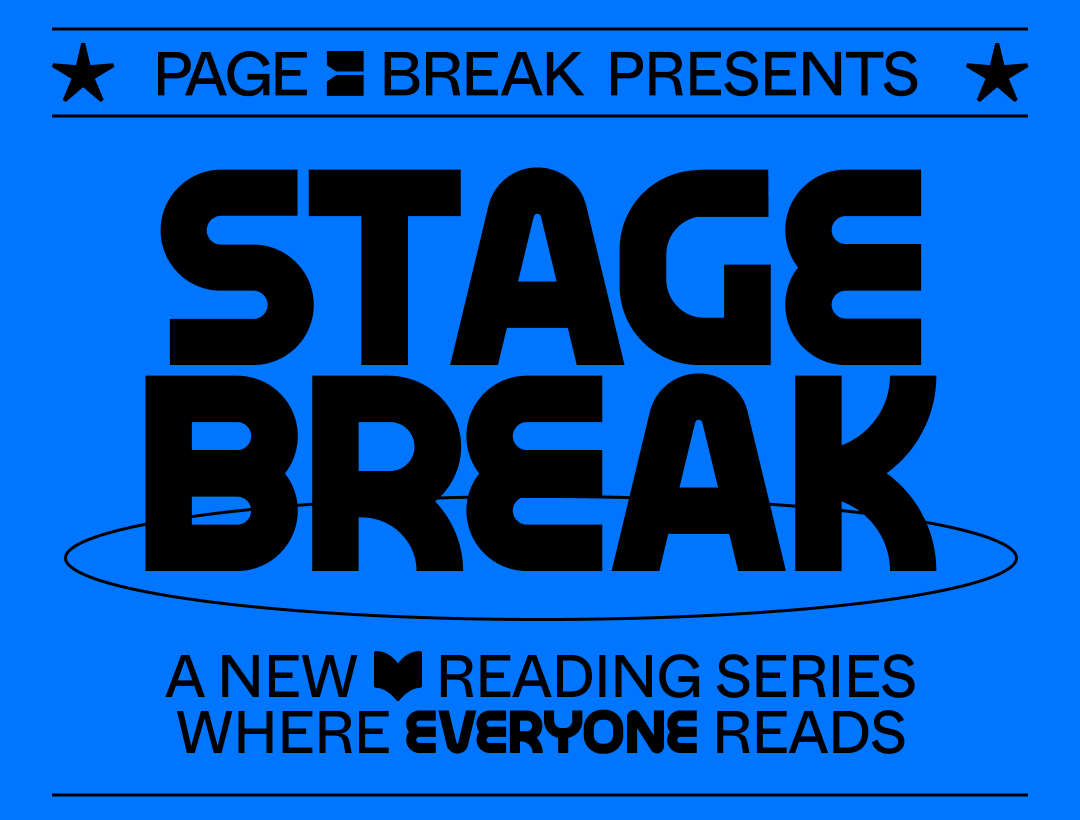
PAGE BREAK Presents STAGE BREAK (Date: 8.20) — In last month’s newsletter, I talked about experiencing PAGE BREAK, a weekend reading retreat series in New York that takes 15 strangers to an idyllic upstate spot with the goal of knocking out a full literary fiction novel in three days.
Founder Mikey Friedman also hosts a reading series called STAGE BREAK that adopts a similar format — and returns to the city this month. At this one-night event, four authors read their respective pieces aloud on stage alongside three random audience members, trading off after each page. Upon arrival, attendees have the option of putting their names in a hat for the possibility of that on-stage experience, and everyone receives a printed zine with all four short stories to follow along in their seats.
Tickets cost $5! You can RSVP via Partiful here.
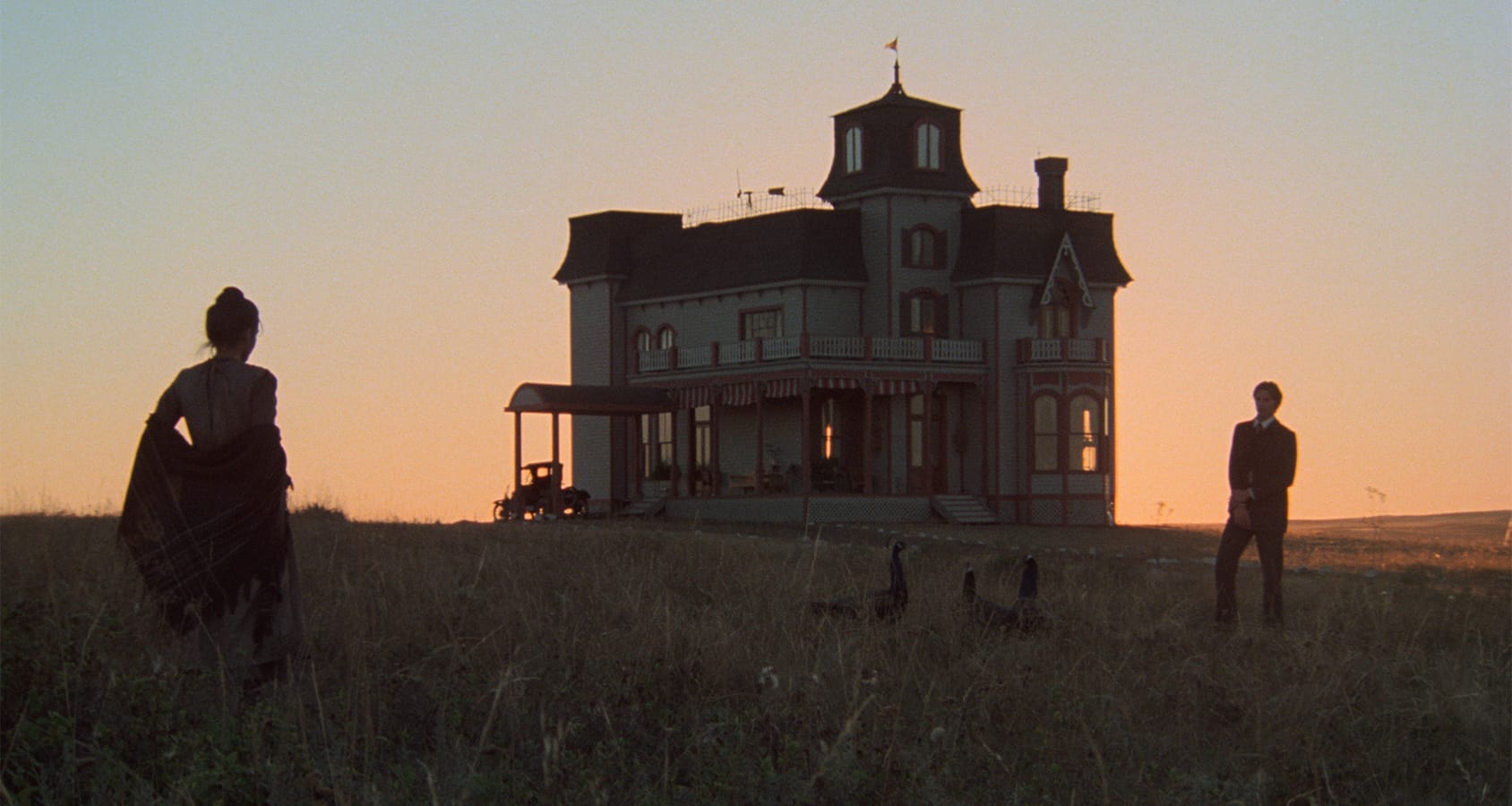
Metrograph: Days of Heaven (1978) (Dates: 8.22-8.24) — One of the most visually stunning films I’ve had the pleasure of seeing on a big screen, and not just because it stars Richard Gere. As I write in the December 2023 Movie Review:
Days of Heaven (1978) applies the sexuality and nihilism of the 1970s to a series of trials and tribulations that might crop up in a Little House on the Prairie episode, all through the prism of Andrew Wyeth aesthetics.
Set in 1916, this New Hollywood classic opens with laborer Bill (played by Richard Gere) accidentally killing his boss at a Chicago steel mill, prompting him to head for Texas with his girlfriend, Abby (played by Brooke Adams), and little sister, Linda (played by Linda Manz)…Bill and Abby pose as siblings rather than lovers…[and] the trio begins working for a wealthy farmer (played by Sam Shepard)…Bill learns their boss has less than a year to live…[and] pushes Abby to capitalize on the farmer’s romantic feelings for her, with the ultimate goal of inheriting the land. When she goes along with Bill’s plan — while maintaining her relationship with him —, things start to get weird.
Néstor Almendros rightly took home the 1979 Academy Award for Cinematography as a result of his work on Days of Heaven. Almendros partnered with director Terrence Malick to prioritize shooting during golden hour with the goal of capturing the kinds of colors you’d see in an Impressionist painting. Certain shots appear straight out of the work of Edward Hopper, cultivating an illuminated image of the Texas panhandle.
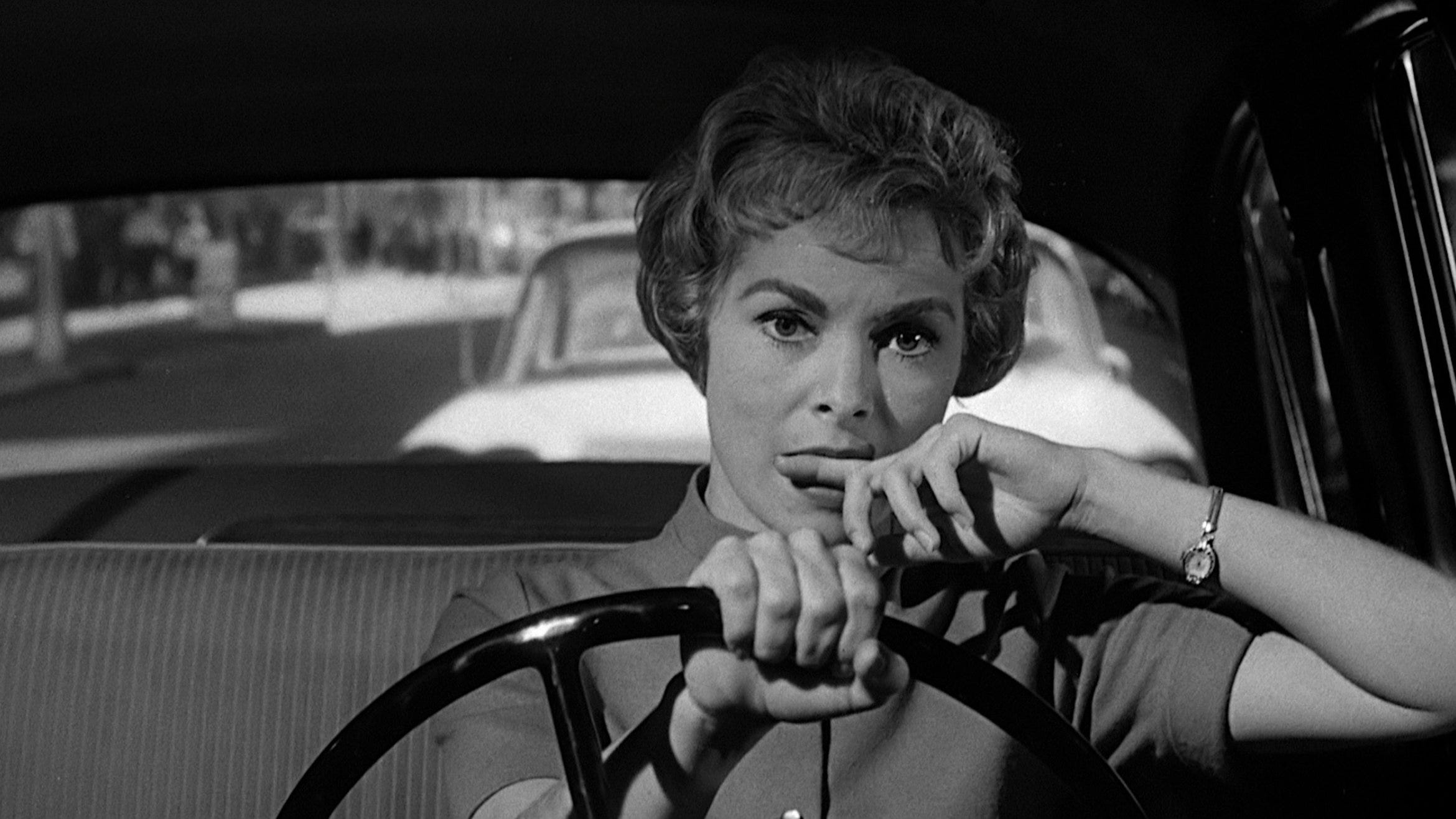
Cinespia: Psycho (1960) (Date: 8.23) — As Cinespia’s summer series draws to a close, LA-based subscribers can head to Hollywood Forever Cemetery for a spooky screening of this Hitchcock classic! Psycho (1960) famously follows Marion Crane (played by Janet Leigh) as she stops at a central California motel after a car breakdown. Things go sideways — to put it mildly — when she encounters its manager, a man mangled by mommy issues named Norman Bates (played by Anthony Perkins).
Alfred Hitchcock, in speaking with Francois Truffaut, presciently described Psycho as a filmmaker’s film. He constructs a clever subversion of genre within the aesthetic confines of what Roger Ebert characterizes as “a cheap exploitation film,” relying on black-and-white and his Alfred Hitchcock Presents crew instead of the extensive resources that shape full-scale features like Vertigo (1958) and North by Northwest (1959). Now considered a crown jewel in the horror canon, Psycho serves as the blueprint for directors ranging from Brian de Palma to Coralie Fargeat — a connection I discuss in my reviews of Dressed to Kill (1980) and The Substance (2024), respectively —, while also prefiguring the narrative structure of Scream (1996).
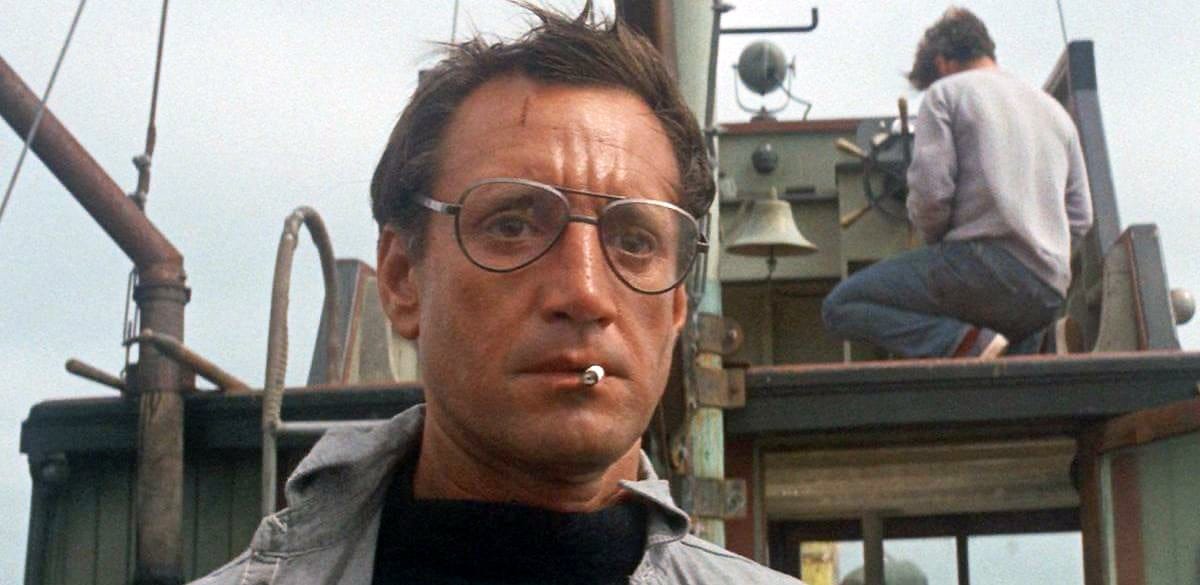
Village East: Jaws (1975) 50th Anniversary (Opening Date: 8.28) — Celebrate the 50th anniversary of Steven Spielberg’s East Coast summer horror classic! Per Village East’s site: “After shark attacks ravage a resort beach town, the Mayor orders the local fishermen to catch the culprit. Satisfied with the shark they find, the greedy Mayor reopens the beaches, despite the warning from a visiting ichthyologist (Richard Dreyfuss) that the attacks were probably caused by a far more formidable Great White. One more fatality later, the scientist and police chief (Roy Scheider) join forces with the only local fisherman willing to take on a Great White.”
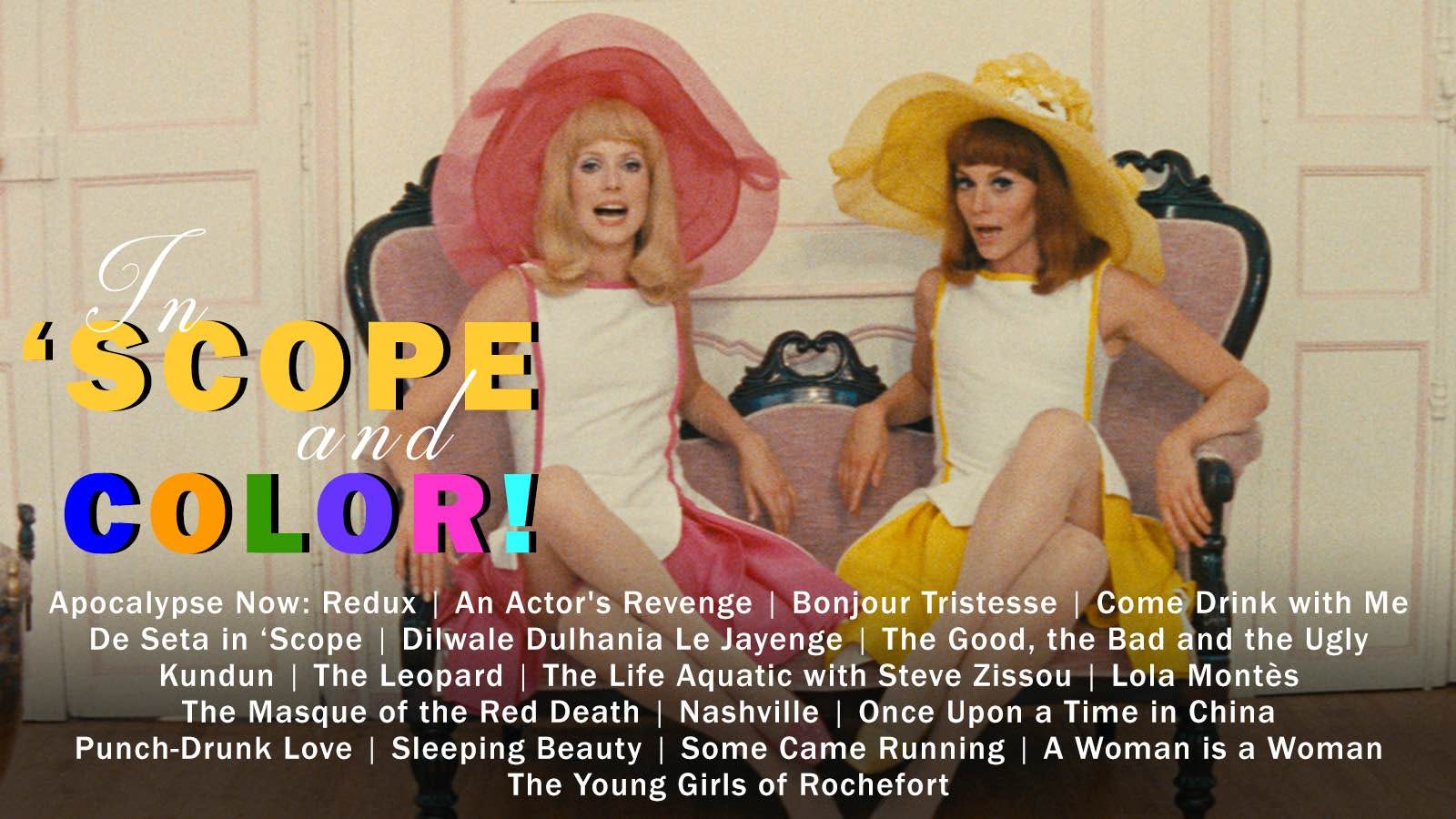
Metrograph’s In ‘Scope and Color! Series (Timing: Ongoing in August) — This series from Metrograph features an eclectic collection of films with one thing in common: an embrace of the full spectrum of color and the legacy of CinemaScope.
Per the site: “From the first days of cinema, the people making movies struggled to give audiences a vision of the world closer to that of the average human eye: that is, with broader peripheral range and all the colors of the rainbow. And while CinemaScope didn’t invent the ‘widescreen,’ and various varietals of color films had been extant from the earliest days of moviemaking, the 1953 premiere of Fox’s The Robe, shot in Eastmancolor and introducing the tapestry-wide ’Scope aspect ratio to the world, created a partnership — the breadth of ’Scope, the eye-popping lusciousness of three-strip color and its progeny — that would enthrall generations of moviegoers.”
The August line-up includes A Woman is a Woman (1961), Nashville (1975), and Punch-Drunk Love (2002), among others. You can check out the schedule here!
Miscellaneous Musings
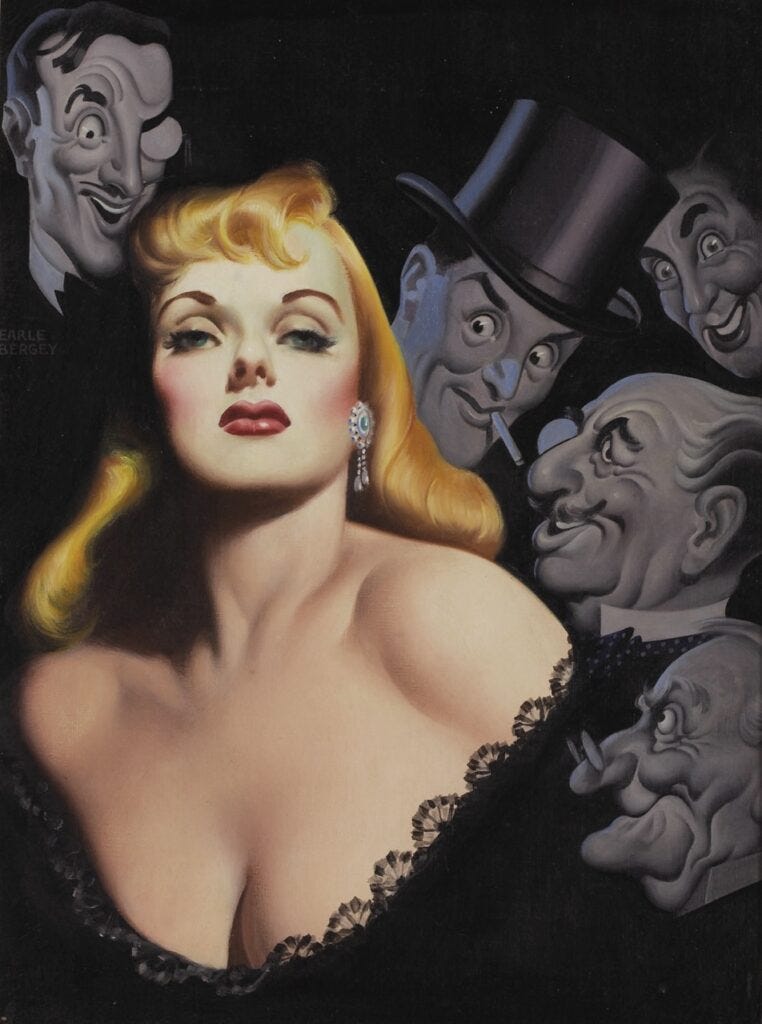
Gentlemen Prefer Blondes (1925) Reissue Loading — Back in June, I mentioned that Gentlemen Prefer Blondes (1925) — the Anita Loos novel that serves as the basis for the iconic, eponymous 1953 film starring Marilyn Monroe and Jane Russell — has a new Penguin Random House reissue dropping on 8.5. As that date draws closer, The Paris Review has published an adapted excerpt from the novel’s new introduction from Happy Hour (2020) author Marlowe Granados, who characterizes the novel as a celebration of the “femme fatale without anything too fatal.” You can preview the introduction here and preorder the book here!
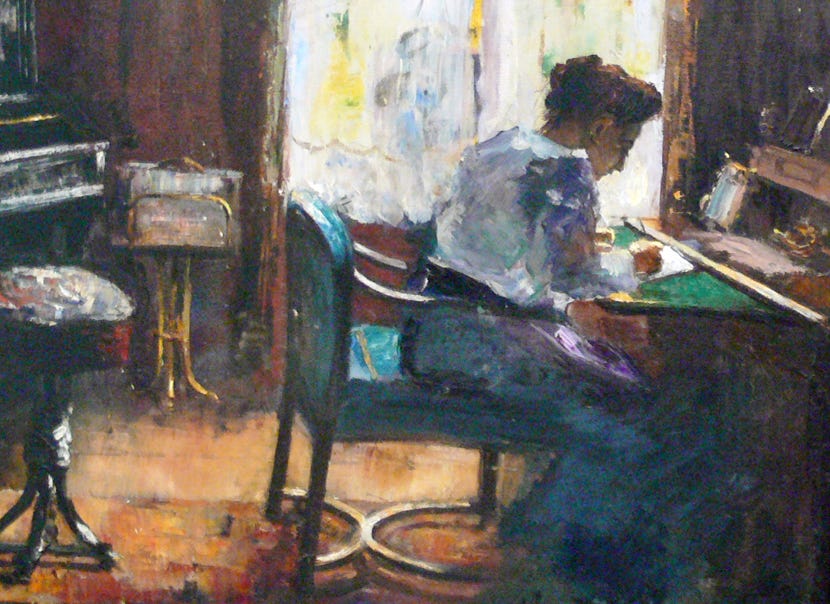
The Art of Fiction Feedback — I am once again talking about a Brandon Taylor craft piece. The author recently published a Substack post on how to give helpful feedback to fellow fiction writers. It emphasizes the distinction between a simulated versus in-the-wild reader, outlining a formula writers can apply for critiquing one another’s work. It goes as follows:
Read the piece carefully.
Summarize the piece to yourself, paying attention to plot, place, and the passage of time.
Describe the piece to yourself. What is the mode of narration? First or third person? Past or present tense? What is the structure? Style? Tone? Plot?
Now, re-read, asking yourself whether sentences, then paragraphs, then scenes, make sense and whether their syntax works. Make notes of any places where the answer is “no.”
Then, compile your thoughts into feedback at the 1000-foot and five-foot levels for the writer.
You can check out the full piece, which includes strategies for noticing details in your work and that of others, as well as tips for giving and receiving feedback without ruining your relationships (lol), here.
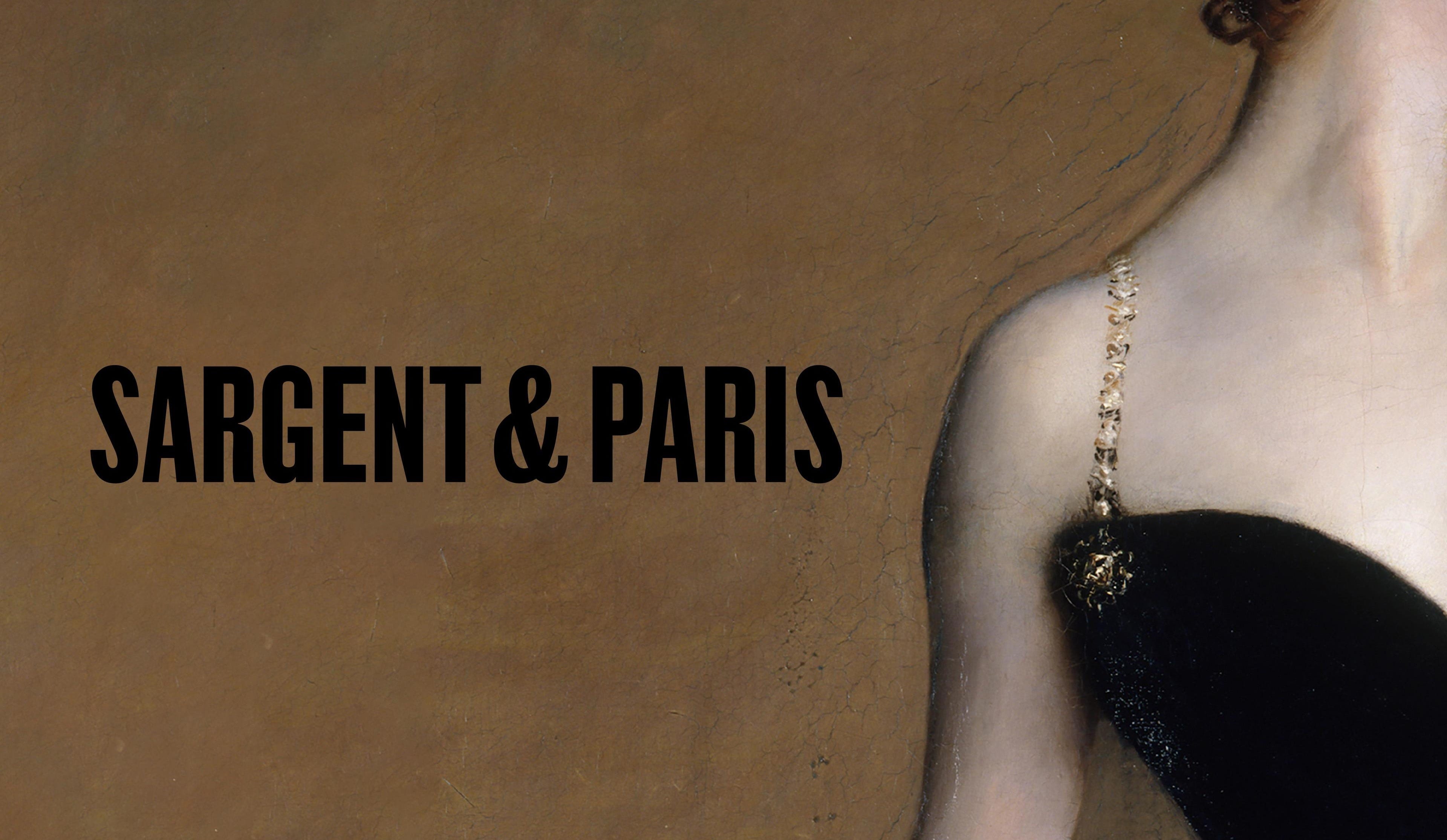
Sargent and Paris at The Metropolitan Museum of Art — Closing this Sunday (8.3), Sargent and Paris walks through the life and career of American expat painter George Singer Sargent. His magnum opus, Portrait of Madame X (1884), serves as the centerpiece of the show, surrounded by preparatory drawings and oil studies for its final presentation. The curator provides insight into Sargent’s artistic development, highlighting his earlier works followed by Madame X precursors from contemporaries including Édouard Manet, James McNeill Whistler, and Pierre-Auguste Renoir. Quotes from novelist Henry James, apparently a big Sargent stan, appear across the wall texts too.
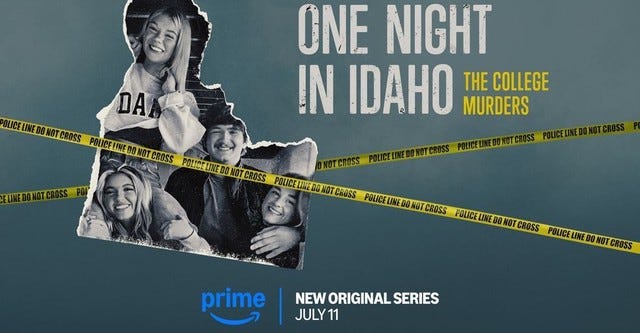
One Night in Idaho: The College Murders — ICYMI, in November 2022, a creepy incel criminology student murdered four University of Idaho students — Madison Mogen, Kaylee Goncalves, Xana Kernodle, and Ethan Chapin — in their off-campus home. In past newsletters, I’ve plugged Air Mail’s In Cold Blood (1965)-coded series on the case.
This month, as the killer received four consecutive terms of life in prison, Amazon Prime Video issued a four-part documentary series on the murders. It avoids the siren call of sensationalism, featuring first-time friends and family interviews that provide insight into the victims’ lives more than their deaths.
Supplemental Reading
As always, don’t forget to use archive.ph if you can’t access these pieces or any of the ones throughout my Substack!
Coveteur: The Forgotten ’90s Brands That Made Clueless Iconic
TIME: Jane Austen’s ‘Persuasion’ Can Teach You How to Grow Up
Architectural Digest: See Inside Sofia Coppola’s Romantic Vision for a Grand Parisian Ball
New York Times: Library180, a Magazine Nirvana in Manhattan’s Financial District
Galerie: Emma Cline’s Film List
USA Today: 50 fun facts about Jaws as the movie celebrates the big 5-0
Social Media Round-Up
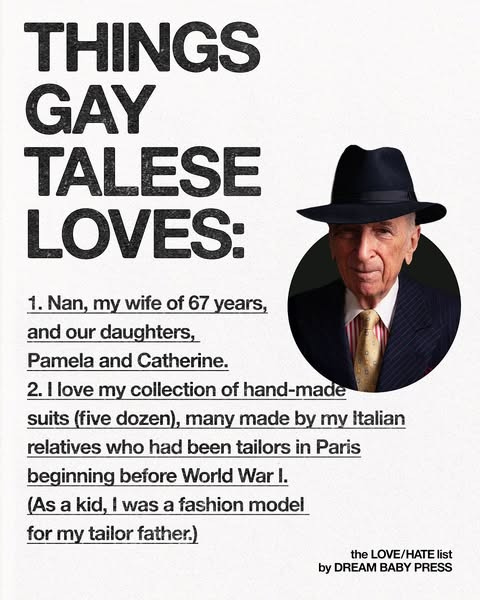
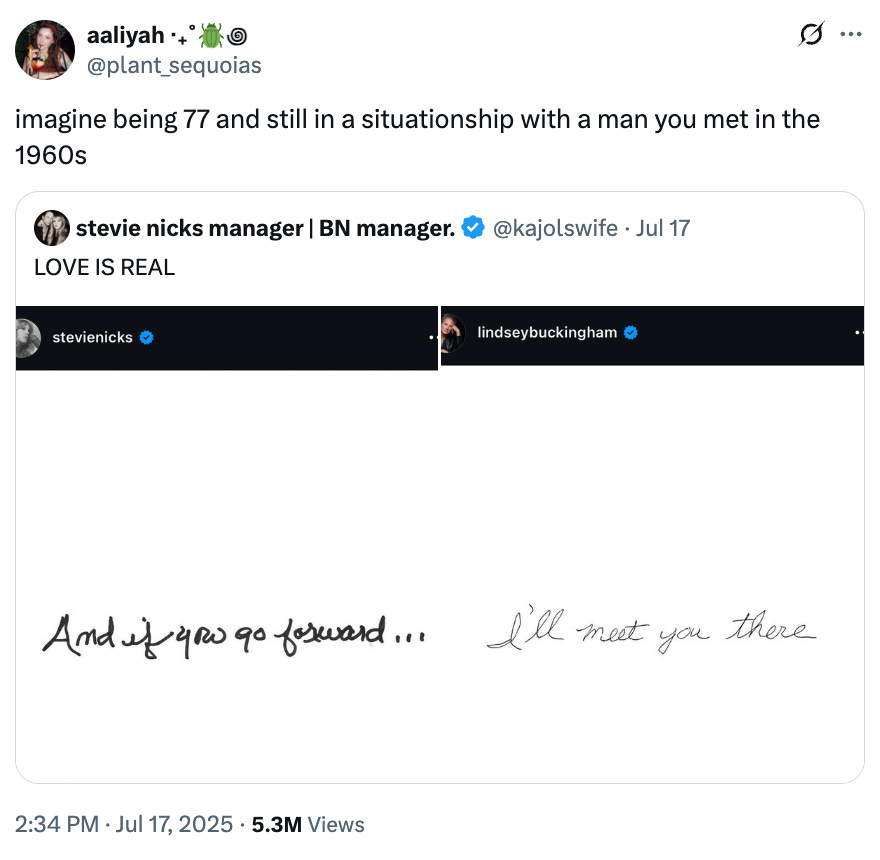
A section aggregating tweets, TikToks, Notes, etc. that made me laugh, smile, etc. in the past month:
Cocktail of the Month
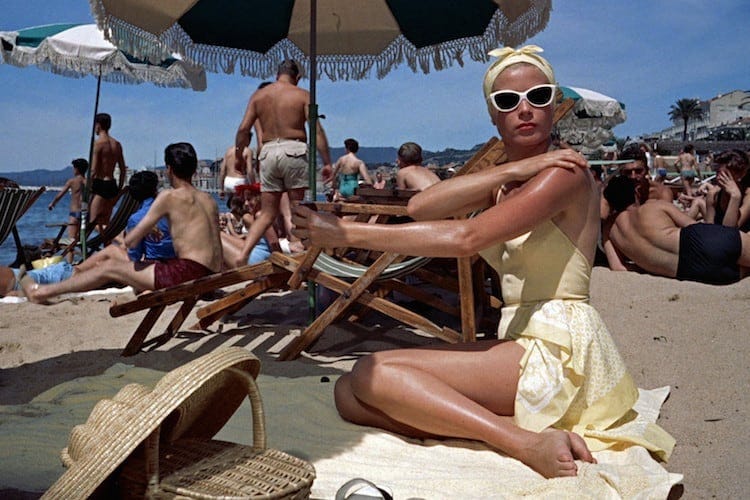
Toward the start of summer, I had a delicious drink in Antibes I’m still thinking about in the form of the…
To make a version of it, fill a wine glass with ice. Then, add two and a half ounces of Aperol, one ounce of peach nectar, three ounces of prosecco, and one and a half ounces of club soda or sparkling lemon water, depending on preference. Stir to combine the ingredients, top the drink with peach slices and mint, and enjoy!
That’s all for now! Stay tuned for the (very long) July Movie Review and (very short) July Book Review.
xo,
Najet
Absolutely loved the Sargent exhibit at the Met! I wish I could go to the event at the Morgan Library and all the other events coming up, they all sound so fun!